How to Plan a Patio That Fits Your Medford Home
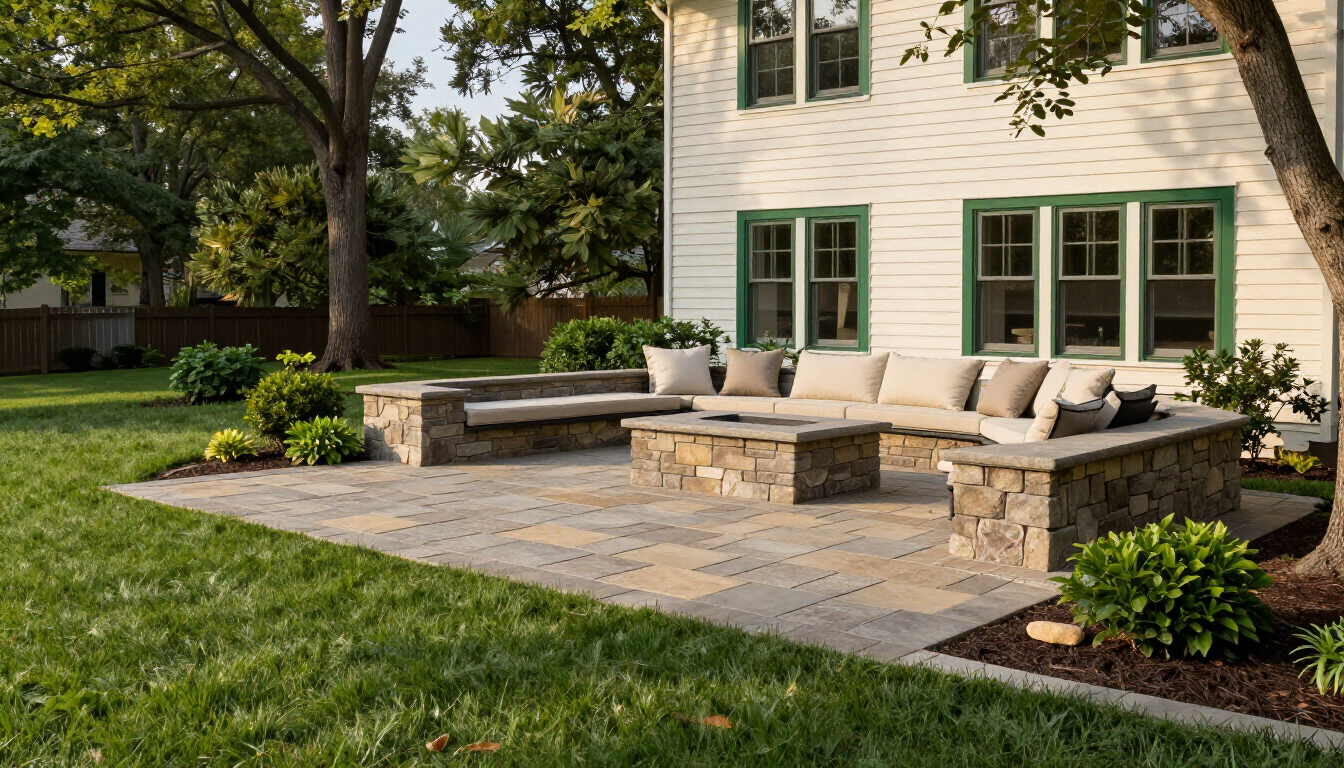
A patio should make the backyard easier to use, not harder to manage. The right layout can give you a comfortable place to sit, eat, grill, or gather with family without taking over the whole yard.
For Medford homeowners, patio planning should include more than the surface material. Yard size, drainage, shade, privacy, steps, walkways, and daily use all affect the final result. A patio that looks good in a photo may not work well if it feels cramped, collects water, or sits in the wrong part of the yard.
If you are planning patio installation in Medford, NY, it helps to think through the layout, materials, drainage, and long-term use before work begins.
Start With How You Want to Use the Patio
A good patio starts with a clear purpose. Before choosing pavers, stone, or concrete, think about what the space needs to do.
Some homeowners want a quiet seating area for morning coffee. Others need room for a grill, dining table, firepit, or larger gatherings. A patio used by a family every weekend needs a different layout from a small sitting area outside the back door.
Think about your usual routine first:
- Do you eat outside often?
- Do you need space for a grill?
- Will guests move between the house and yard?
- Do you want a firepit or outdoor kitchen later?
- Should the patio connect to a walkway, pool area, or driveway?
These answers help decide the size, shape, and placement of the patio before materials are chosen.
Choose the Right Patio Size
Bigger is not always better. A patio should feel comfortable, but it should not make the yard feel crowded or flat.
A small patio can work well for two chairs and a side table. A dining patio needs enough space for the table, chairs, and walking room around them. A firepit area needs more clearance so people can sit safely and move around the space.
One common mistake is planning around empty space instead of furniture. A patio may look large enough before anything is placed on it, then feel tight once chairs, tables, planters, and a grill are added.
A simple way to plan is to measure the furniture first, then allow room to walk around it. Door swings, steps, and traffic flow should also be included in the layout.
Think About Where the Patio Should Go
Patio placement affects comfort and use. The most obvious spot is near the back door, but that is not always the best choice for every yard.
A patio close to the house is convenient for meals, grilling, and carrying items outside. A patio farther into the yard may feel more private or make better use of shade and views. Some properties work best with two connected areas, such as a dining space near the house and a seating area farther out.
Before choosing the location, look at:
- Sun and shade during the day
- Privacy from nearby homes
- Access from the kitchen or back door
- Slope and drainage
- Views into the yard
- Connection to steps, walkways, or garden areas
The best location should feel natural, not forced.
Which Patio Material Works Best?
Patio material affects appearance, maintenance, cost, and how the space feels underfoot. There is no single best material for every Medford home.
| Patio Material | Best For | What to Consider |
|---|---|---|
| Pavers | Flexible layouts, patterns, and borders | Joint care and proper base preparation |
| Natural Stoines | A textured, organic look | Higher cost and surface variation |
| Concrete | Simple, clean patio designs | Cracks and visible repairs |
| Brick | Traditional homes and warm color tones | Setting, maintenance, and joint care |
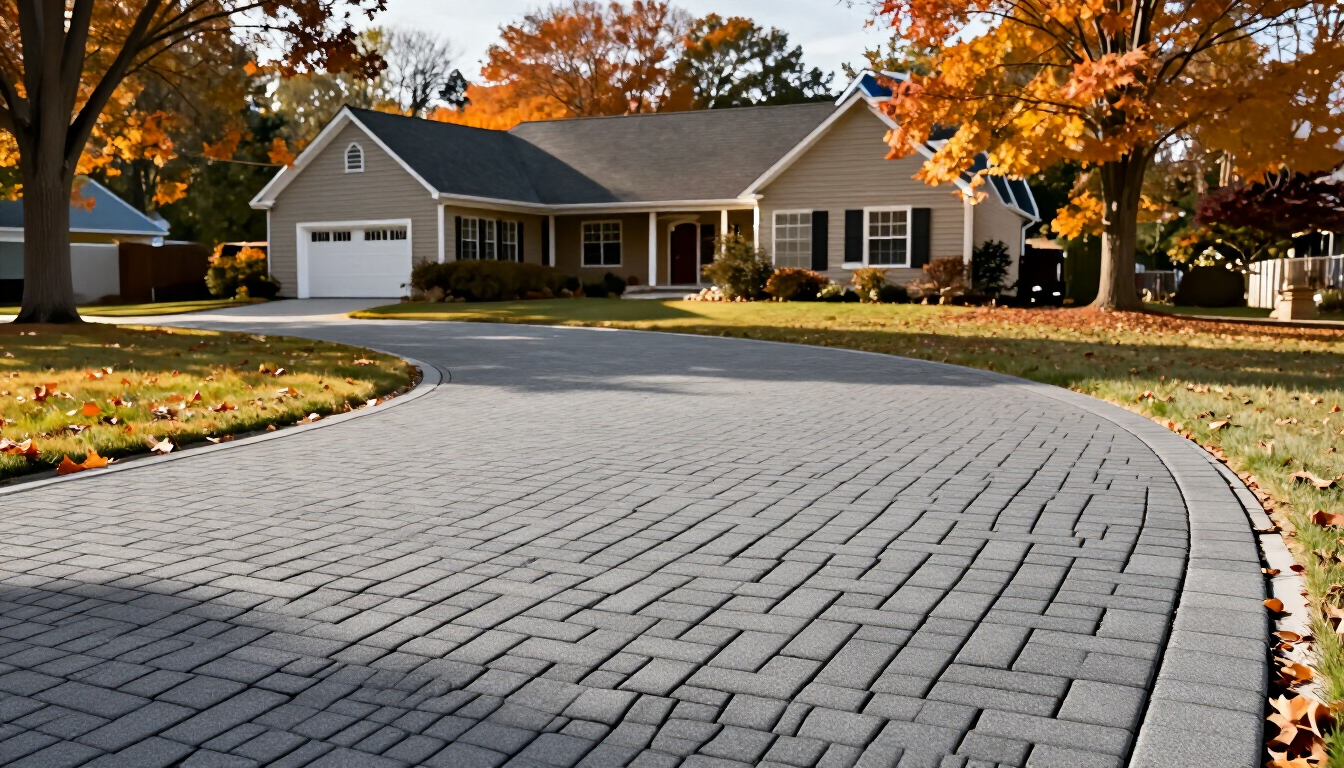
Pavers are popular because they offer design flexibility. Natural stone can suit homeowners who want a more natural backyard feel. Concrete works for simple layouts, while brick can add a traditional look.
The material should match the house, the budget, and the amount of maintenance you are willing to manage.
Drainage Should Be Planned Before Installation
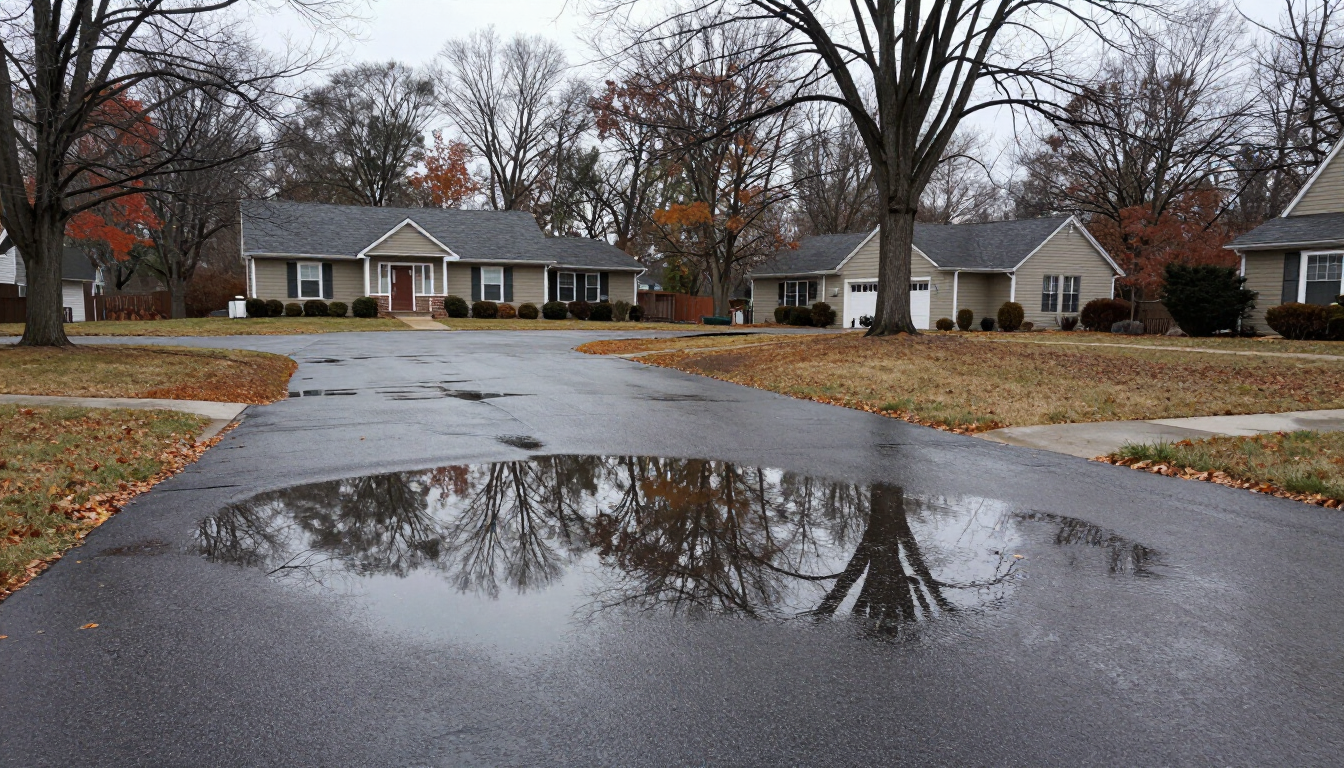
Drainage is one of the most important parts of patio installation. If water has nowhere to go, it can collect on the surface, move toward the house, or weaken the base underneath.
A patio should usually slope slightly away from the home. The slope should move water without making the patio feel uneven. In some yards, drainage may also need to account for downspouts, low spots, soil movement, or nearby steps.
Poor drainage can lead to:
- Puddles after rain
- Staining on the patio surface
- Loose or sinking pavers
- Cracks in concrete
- Water near doors or the foundation
- Freeze and thaw damage during winter
Good drainage planning is easier before installation than after the patio is already built.
Connect the Patio to Walkways and Steps
A patio should feel connected to the rest of the property. If it sits in the yard without a clear path or transition, it can feel unfinished.
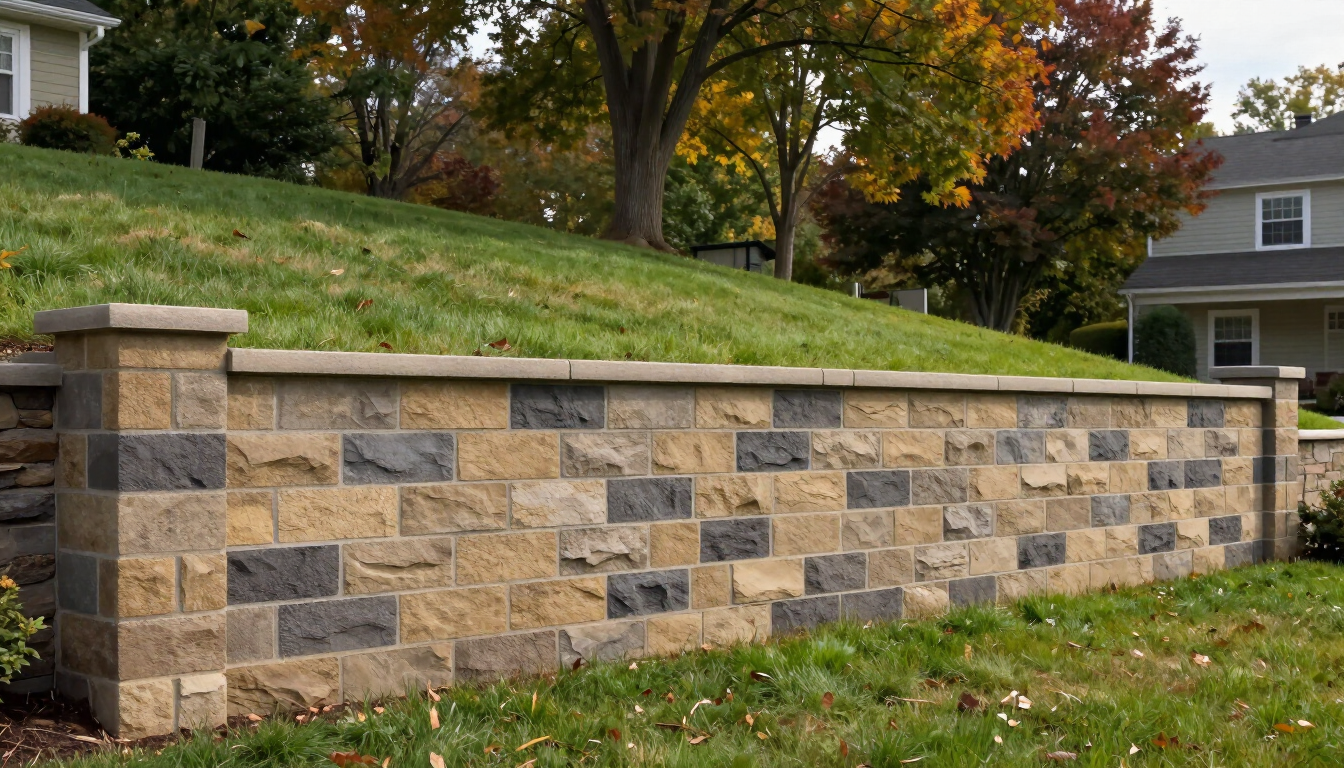
Walkways, steps, and borders can help the patio connect to the back door, driveway, garden, pool area, or side entrance. These details also make the space safer and easier to use.
Step height should feel comfortable. Walkways should be wide enough for regular movement. Materials do not need to match exactly, but they should work well together. A paver patio, for example, may look more complete with a matching border or walkway.
Planning these connections early helps avoid awkward gaps or uneven transitions later.
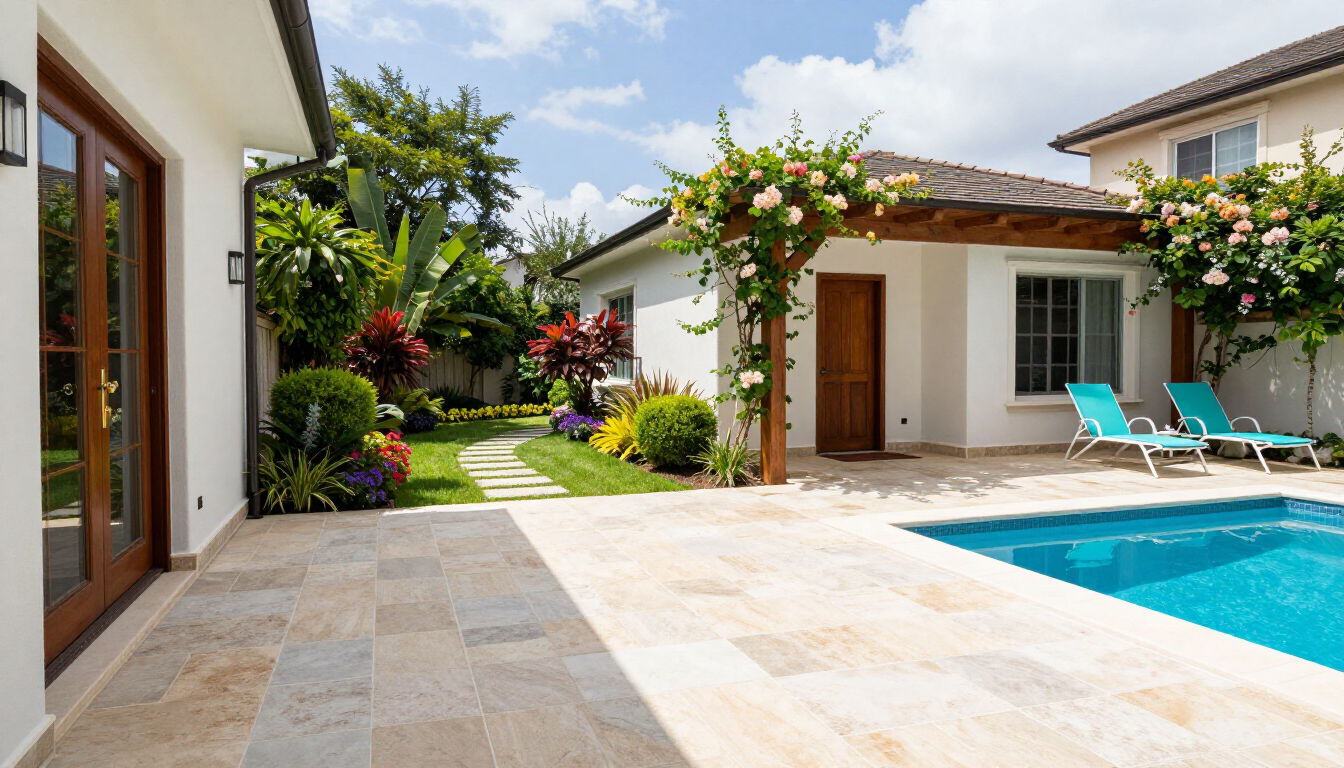
Plan for Furniture Before the Patio Is Built
Furniture should shape the patio design. A patio that only looks good when empty may not work well once it is used.
A dining table needs space for chairs to pull out. Lounge seating needs a walking room around it. A grill should sit where smoke, heat, and foot traffic can be managed safely. Firepit seating needs enough distance between the flame, furniture, and walking paths.
A good patio layout leaves enough open space to move without squeezing between furniture. It should feel easy to use, even when several people are outside at the same time.
Should You Add a Firepit or Outdoor Kitchen?
Firepits and outdoor kitchens can make a patio more useful, but they should be planned early. These features affect size, seating, utilities, and traffic flow.
A firepit needs safe spacing and the right seating arrangement. An outdoor kitchen may need more surface area, storage, ventilation, and utility planning. Even a built-in grill can change the layout.
Not every patio needs a large feature. For some homes, a simple seating area with a grill nearby is more practical. The best choice depends on how often the space will be used and how much of the yard you want to keep open.
How Long Will the Patio Be Used Each Year?
A patio in Medford can be used through much of the year if it is planned well. Spring and summer are common for dining and entertaining, while fall can be a good time for firepit seating.
Shade matters during hot days. Drainage matters during wet seasons. Durable materials and a solid base matter during winter.
Think about comfort across the seasons, not just how the patio will look on installation day. A patio that drains well, fits the yard, and has the right amount of shade will usually be easier to enjoy.
Work With a Patio Contractor in Medford
A patio should be planned around your home, yard, and daily routine. Size, placement, material, drainage, steps, and furniture all affect how the finished space feels.
Stonerock Paving & Masonry can help plan patios, walkways, steps, retaining walls, firepits, outdoor kitchens, and other backyard features with proper base preparation and drainage in mind. For professional patio installation in Medford, NY, contact the team to plan a patio that fits your home and yard.
What size patio is best for a Medford backyard?
The best patio size depends on how you plan to use the space. A small seating area needs less room than a dining patio, firepit area, or outdoor kitchen. Furniture, walking space, doors, and yard size should all guide the layout.
What is the best patio material for Long Island weather?
Pavers and natural stone are popular because they can handle seasonal changes when installed over a strong base. Concrete and brick can also work well with proper preparation. Drainage, slope, and base work matter as much as the surface material.
Should a patio slope away from the house?
Yes, a patio should usually slope away from the house so water does not collect near doors, walls, or the foundation. The slope should be planned before installation so the patio drains properly without feeling uneven underfoot.
Can a patio connect to a walkway or stoop?
Yes, a patio can connect to a walkway, stoop, driveway, garden path, or pool area. Planning these connections early helps create safer transitions, better traffic flow, and a more finished outdoor space around the home.
When should I call a patio contractor in Medford?
Call a patio contractor when planning a new patio, replacing an old surface, adding outdoor features, or dealing with drainage problems. A contractor can inspect the yard and recommend the right layout, materials, and base preparation.
Our Recent Articles