Do Trees Damage Driveways? Understanding Root Growth and Hardscape Protection
Mature trees are one of the biggest assets on many Long Island properties. They provide shade, improve curb appeal, and can even increase property value. However, as trees grow, their root systems also expand. If those roots spread beneath driveways, patios, or walkways, they can eventually affect the stability of your hardscapes.
The good news is that tree roots do not always cause damage. Understanding how roots grow and knowing what warning signs to watch for can help homeowners protect both their landscaping and paved surfaces.
Do Tree Roots Actually Break Concrete and Asphalt?
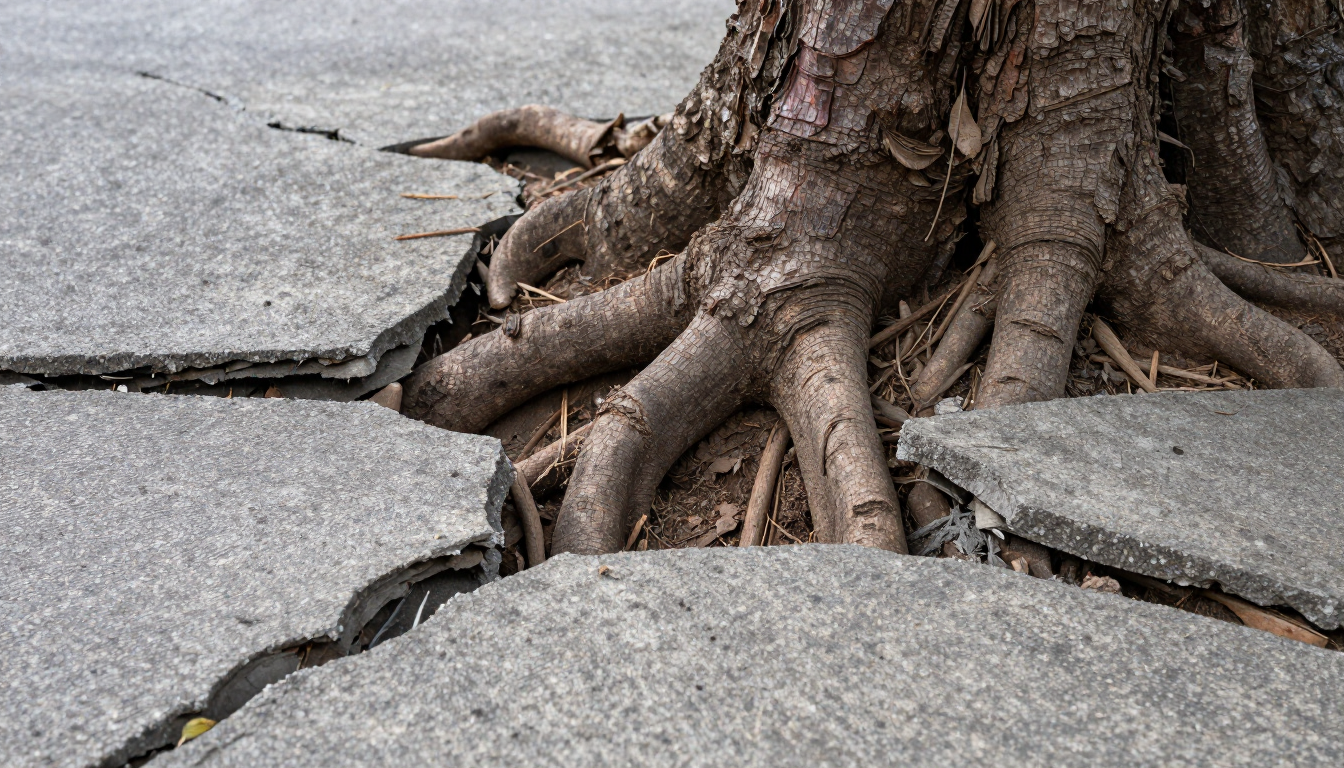
Many people picture tree roots pushing through solid concrete like a crowbar. In reality, roots usually take advantage of existing weak points rather than creating damage from scratch.
As roots search for moisture and oxygen, they grow beneath the surface. If they encounter small cracks, joints, or gaps, they can gradually lift or shift paving materials as they increase in size.
Older driveways and walkways are generally more vulnerable because years of weather exposure and natural settling create openings that roots can exploit.
Which Trees Are More Likely to Cause Problems?
Not every tree has an aggressive root system. Some species spread their roots much farther than others, especially when planted close to paved areas.
Large shade trees commonly found on Long Island properties often require extra attention as they mature. While healthy trees should not automatically be removed, homeowners should understand how much space the root system may eventually occupy.
If you're planning new landscaping, choosing the right planting location is just as important as selecting the right tree.
Signs Tree Roots May Be Affecting Your Hardscapes
Damage usually develops gradually, making early detection important.
Watch for these warning signs around your property:
- Raised or uneven driveway sections
- Cracks that continue to widen
- Lifted pavers or bricks
- Walkways becoming uneven
- Gaps forming between paving materials
- Retaining walls beginning to lean
These issues do not always point to tree roots, but they should be inspected before the damage spreads further.
Why Root Damage Can Become Worse Over Time
Once paving begins to shift, additional problems often follow.
Small height differences allow water to collect in low spots. Moisture can weaken the base beneath the surface, while freezing temperatures during winter create additional movement. At the same time, roots continue to grow each year, placing more pressure on surrounding materials.
What begins as a slight bump in a walkway can eventually become a safety hazard or require partial reconstruction.
Protect Your Hardscapes Without Removing Healthy Trees
Fortunately, protecting your driveway does not always mean cutting down mature trees.
Several landscaping practices help reduce the risk of future damage.
Consider these preventive measures:
- Plant new trees well away from driveways and patios.
- Choose tree species with less aggressive root systems.
- Install root barriers where appropriate.
- Maintain healthy soil so roots are less likely to seek moisture beneath paved areas.
- Inspect paved surfaces regularly for early signs of movement.
Planning ahead is far easier than repairing extensive hardscape damage years later.
What About Existing Trees?
Many Long Island homes already have mature trees that have been growing for decades.
If a tree is located near your driveway, avoid cutting large roots yourself. Removing structural roots without proper evaluation can weaken the tree and create safety risks.
Instead, have both the tree and the affected hardscape assessed before deciding on repairs. In many cases, contractors can repair sections of paving while preserving the health of the tree.
A balanced approach protects your landscape as well as your investment.
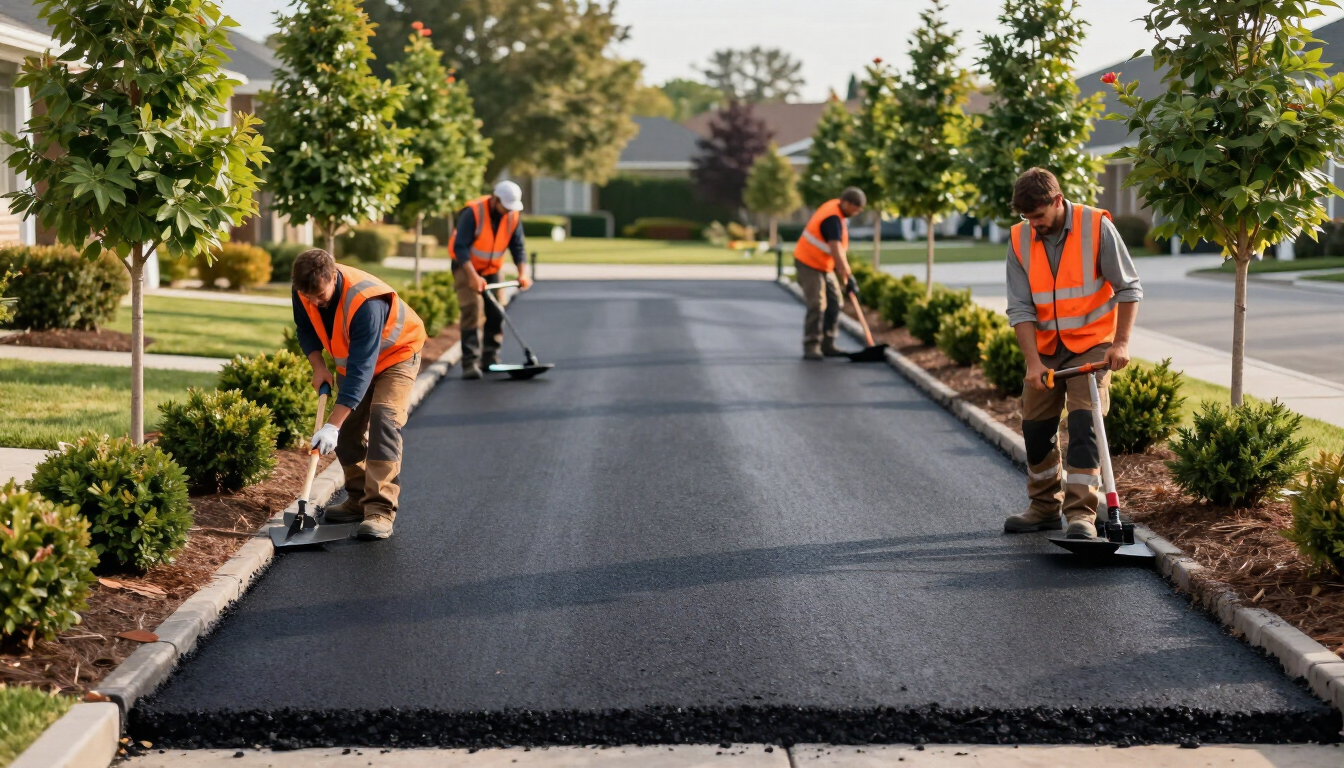
When Professional Repairs Make Sense
If you notice lifting, cracking, or uneven surfaces, it is best not to wait until the damage becomes extensive.
A professional paving and masonry contractor can determine whether the problem is caused by root growth, poor drainage, soil movement, or natural aging. Once the underlying issue is identified, repairs can be completed using methods that reduce the chance of future movement.
Addressing problems early is usually less disruptive and more cost-effective than replacing an entire driveway or patio.
Preserve Both Your Trees and Your Outdoor Surfaces
This is paragraph text. Click it or hit the Manage Text button to change the font, color, size, format, and more. To set up site-wide paragraph and title styles, go to Site Theme.
Can tree roots crack a concrete driveway?
Tree roots rarely crack solid concrete on their own. Instead, they expand beneath existing joints or small cracks, gradually lifting or shifting the surface as the roots continue to grow over time.
How close can trees be planted to a driveway?
The recommended distance depends on the tree species and its mature root spread. Large shade trees generally require much more space than ornamental varieties to reduce the risk of future hardscape damage.
Can root barriers protect my driveway?
Yes. Properly installed root barriers can help redirect root growth away from driveways, patios, and walkways. They work best when installed before roots have reached paved areas.
Should I remove a tree if it is damaging my driveway?
Not necessarily. Many hardscape problems can be repaired without removing a healthy tree. A professional assessment helps determine the best solution for both the tree and the paved surface.
How do I know if roots are causing my driveway damage?
Raised pavement near large trees, widening cracks, uneven surfaces, and recurring movement may indicate root-related damage. A professional inspection can identify the underlying cause and recommend appropriate repairs.
Our Recent Articles