Retaining Walls and Stone Borders For Summer Outdoor Spaces
June is a good time to look at where your yard feels unfinished, uneven, or hard to maintain. Some outdoor spaces need more than a new patio or driveway surface. They need structure, separation, and better flow.
That is where retaining walls and stone borders can make a big difference. These masonry features help shape gardens, frame driveways, support sloped areas, and give patios a cleaner edge.
For Long Island homeowners, retaining walls and stone borders can turn scattered outdoor areas into a more organised space that looks finished and works better through the summer season.
Why Outdoor Spaces Need Structure
A yard can have good grass, nice planting, and a clean driveway, but still feel unfinished. Often, the issue is not the main surface. It is the lack of clear borders and levels.
Outdoor spaces usually work better when each area has a defined purpose. A driveway should feel separate from the lawn. A garden bed should have a clean edge. A patio should feel connected to the home.
Structure helps guide how people move and how the space is used. It also makes maintenance easier because soil, mulch, grass, and gravel stay where they belong.
Retaining walls and stone borders can help with:
- Separating lawns from planting beds
- Framing patios and walkways
- Supporting raised garden areas
- Holding soil on sloped sections
- Defining driveway edges
- Creating cleaner transitions between materials
- Making the yard feel more complete
Retaining Walls and Stone Borders For Summer Yard Updates
Retaining walls and stone borders are especially useful in summer because homeowners spend more time outdoors. June is when patios, gardens, driveways, walkways, and lawns are used more often. It is also when messy or uneven areas become harder to ignore.
A retaining wall can hold back soil, manage a slope, or create a raised section that feels more intentional. A stone border can outline a garden, protect the edge of a driveway, or frame a walkway.
Together, these features can make a property feel planned rather than pieced together over time.
They work well around:
- Front gardens
- Driveway entrances
- Backyard patios
- Sloped lawns
- Walkways
- Pool areas
- Side yards
- Planting beds
For many homeowners, the value is practical and visual. The space becomes easier to maintain, and the finished look feels sharper without needing a full outdoor rebuild.
How Retaining Walls Help With Sloped Areas
Sloped yards can be difficult to use. Soil may wash down after rain, grass can be harder to cut, and planting beds may lose shape. In some cases, the slope also affects nearby patios, walkways, or driveways.
A retaining wall helps hold soil in place. It can create a cleaner level area where the yard previously felt uneven. This is helpful for properties with raised lawns, lower patios, or garden areas that need support.
A well-built retaining wall can also help reduce erosion. When soil keeps moving, the yard can lose its shape and nearby hardscaping may become unstable. A wall gives that area a stronger boundary.
Retaining walls can be used to:
- Support raised planting beds
- Hold back soil near a patio
- Create a level section on a slope
- Separate lawn and driveway levels
- Improve the shape of a garden area
- Add a finished masonry feature to the yard
The wall should fit the property. Height, material, drainage, and placement all matter. A small wall can often do enough when the goal is to shape the space and keep the yard easier to manage.
Driveways Look Better With Strong Edges
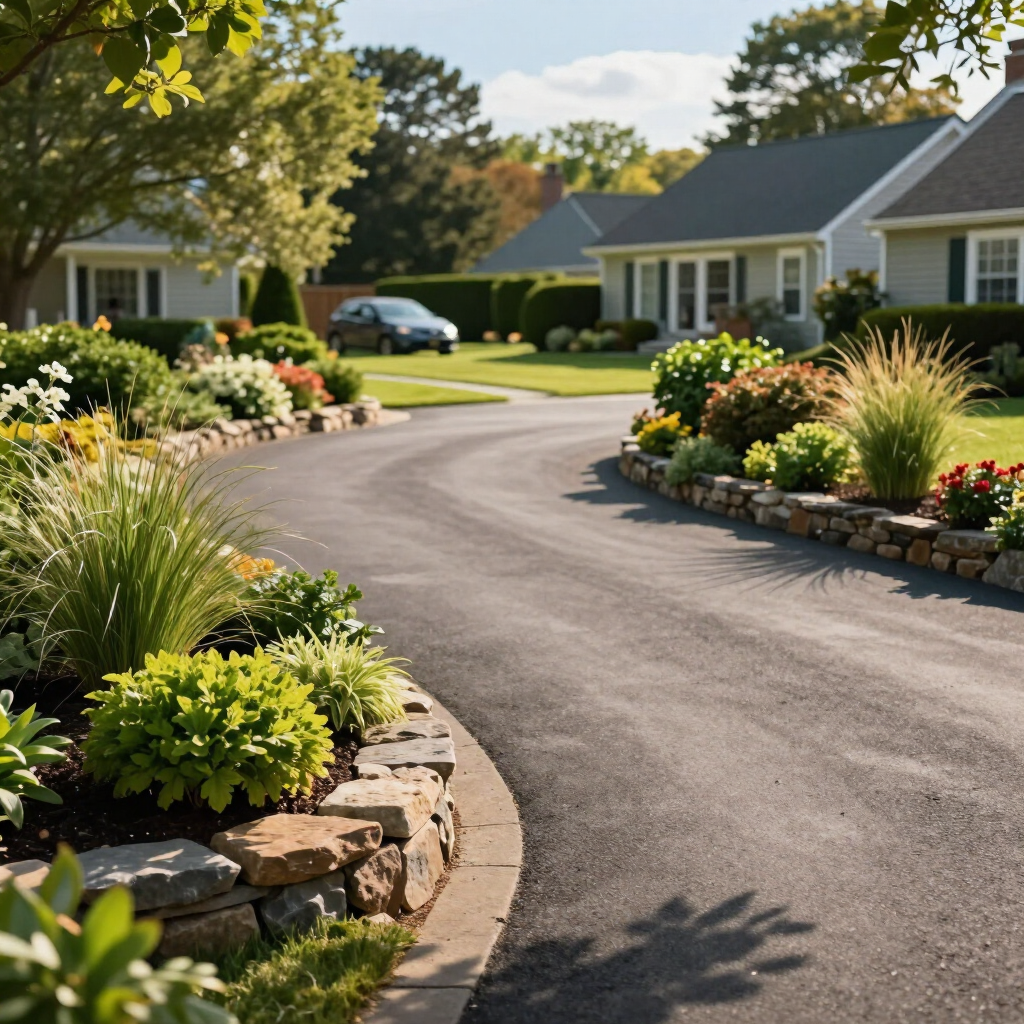
Driveway edges often wear faster than the centre of the surface. Cars pass over them, water runs along them, and nearby soil or grass can break down the clean line.
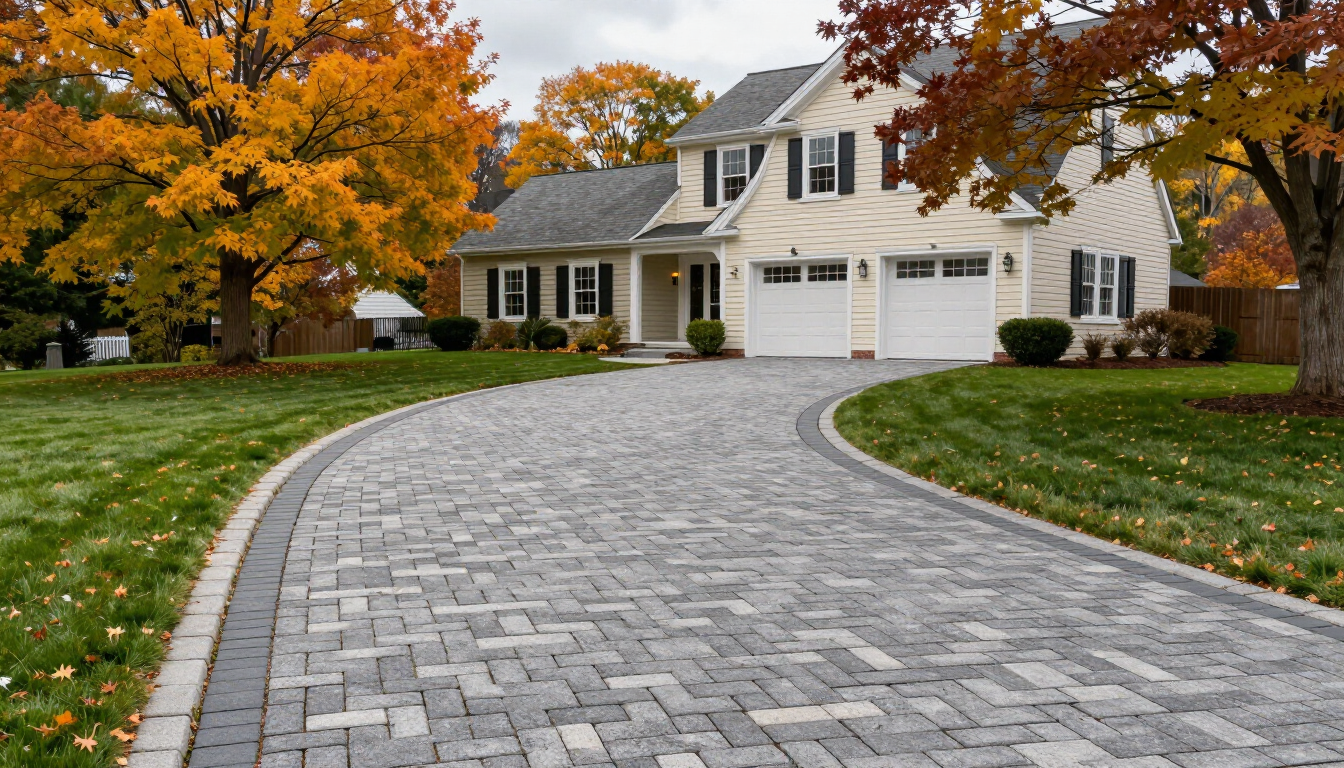
Stone borders can help frame the driveway and make the entrance look more polished. This is especially useful when the driveway meets lawn, gravel, planting, or a walkway.
A stone edge can give the driveway:
- A cleaner outline
- Better visual contrast
- Stronger separation from grass
- A more finished entrance
- Less loose soil washing onto the surface
- A better connection to nearby masonry features
For homes with asphalt driveways, stone borders can also add character. The dark driveway surface can look sharper when paired with light or natural stone details.
This does not mean every driveway needs a large masonry border. Sometimes a simple stone edge is enough to make the front of the home feel more complete.
Patios Feel More Intentional With Borders
A patio should feel like an outdoor room, not just an open paved area. Borders help create that sense of shape.
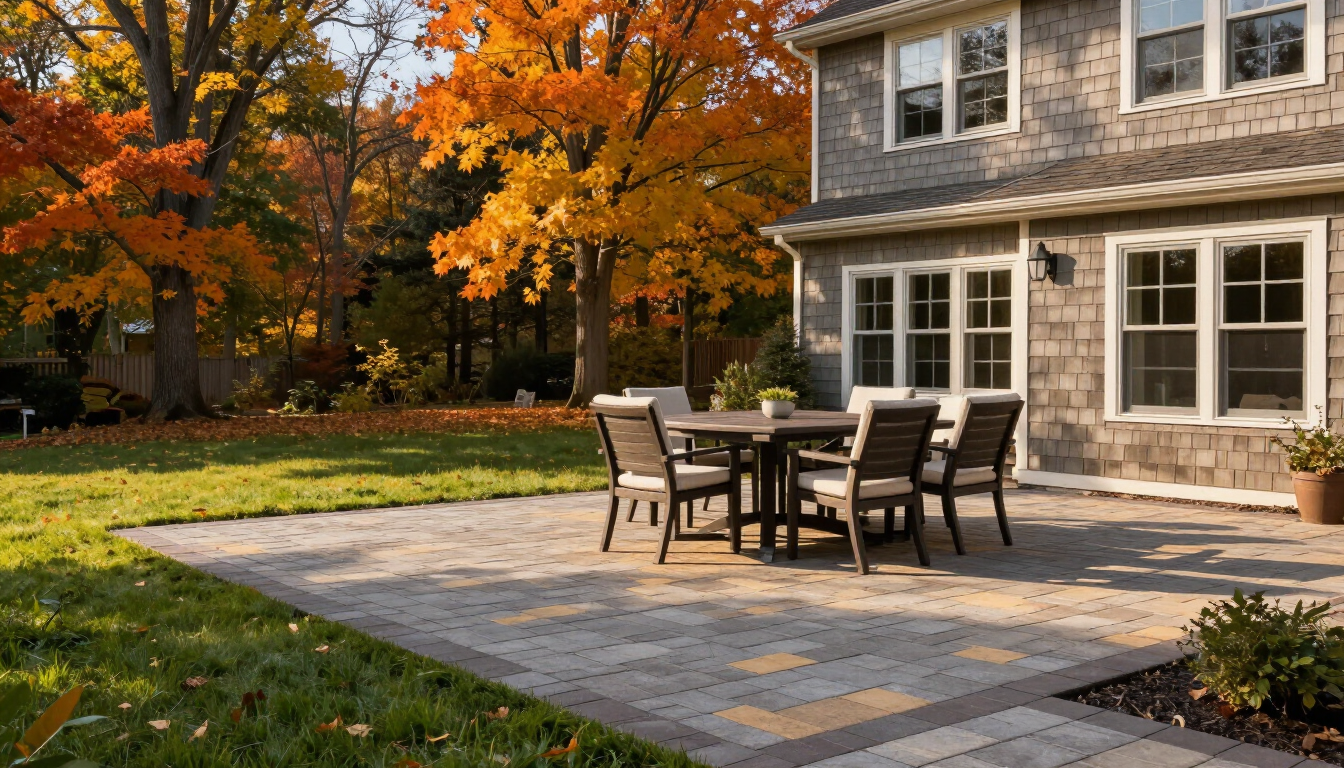
Stone edging around a patio can define the seating zone, separate it from the lawn, and connect it to steps, walkways, or garden beds. It can also help the patio look more finished from every angle.
Borders can be used to:
- Frame the patio surface
- Mark the edge of a seating area
- Connect the patio to a walkway
- Separate paving from grass
- Add contrast to the patio design
- Tie in with retaining walls or steps
If the patio sits near a slope, a retaining wall may also help support the layout. This can make the patio feel more level and usable, especially in yards where the ground drops away.
June is a good time to think about these upgrades because homeowners can see how the patio is being used. If furniture feels awkward, edges look unfinished, or the patio does not connect well to the yard, borders can help improve the layout.
Garden Areas Stay Cleaner With Masonry Edging
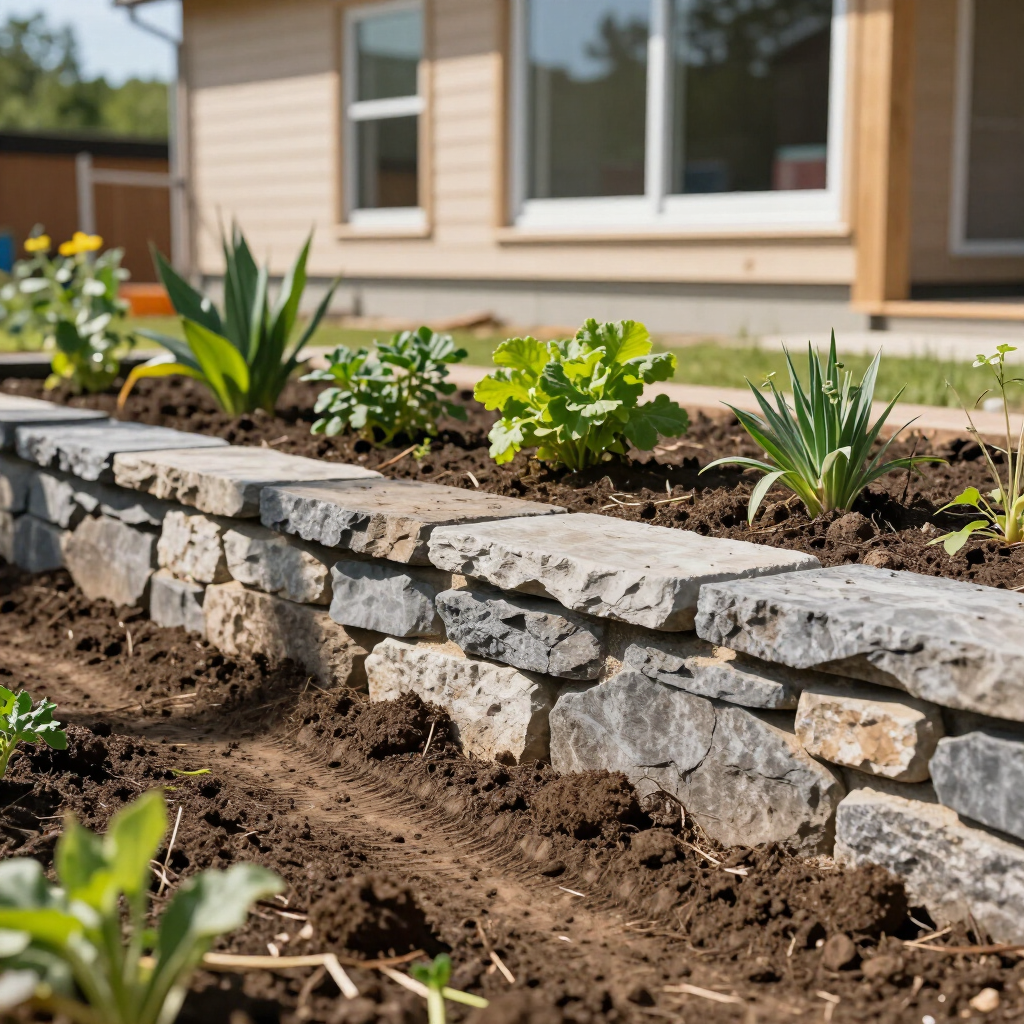
Garden beds can quickly lose their shape during the growing season. Soil spreads, mulch shifts, and grass creeps into planting areas. By June, these issues are usually easy to see.
Stone edging gives garden beds a stronger outline. It also adds a masonry detail that can match nearby patios, walkways, steps, or walls.
For front gardens, a neat stone border can improve curb appeal without changing the whole property. For backyard gardens, it can help separate planting from outdoor living areas.
Masonry edging is useful because it:
- Keeps planting beds better defined
- Reduces messy soil and mulch movement
- Adds texture and contrast
- Makes trimming and mowing easier
- Helps gardens look planned
- Works with both modern and traditional homes
The right edging should match the scale of the yard. A small garden bed may only need a low border. A larger raised bed may benefit from a stronger stone wall or stacked masonry edge.
Small Masonry Details Can Change the Whole Yard
Many homeowners think outdoor upgrades need to be large to make an impact. Sometimes, the smaller details create the biggest improvement.
A stone border around a driveway can make the front entrance look cleaner. A low retaining wall can turn an awkward slope into a more useful garden area. A patio border can make a seating space feel more complete.
These details help connect the property together. The driveway, walkway, patio, lawn, and garden stop looking separate and start feeling like one planned layout.
This matters when homeowners want a better outdoor space without changing everything at once. Retaining walls and stone borders can be added as focused upgrades that improve both function and appearance.
Give Your Outdoor Space a Cleaner Shape
June is a smart time to look at these areas because summer use has started and problem spots are easier to see. If your yard feels unfinished, uneven, or hard to maintain, a masonry upgrade may give it the structure it needs.
Stonerock Paving & Masonry can help with retaining walls, stone edging, borders, patios, driveways, walkways, and outdoor masonry improvements.
Contact us today to schedule a quote and start shaping your outdoor space for summer.
What is the purpose of a retaining wall?
A retaining wall helps hold soil in place, especially on sloped or raised areas. It can reduce erosion, create more usable space, support garden beds, and give the yard a cleaner, more structured layout.
Are stone borders only decorative?
Stone borders can improve appearance, but they also serve practical purposes. They help separate grass, mulch, soil, patios, walkways, and driveways, making outdoor areas easier to maintain and keeping materials where they belong.
Can retaining walls help with drainage?
Retaining walls can support better drainage when planned correctly. They should include proper grading, backfill, and drainage details where needed. Without good drainage, water pressure can build behind the wall and cause movement.
Where can stone edging be used around a home?
Stone edging can be used around gardens, trees, walkways, patios, driveways, gravel areas, and outdoor seating spaces. It creates a clean border and helps the yard look more organised from one area to another.
When is a good time to build a retaining wall or border?
June is a practical time because outdoor problem areas are easier to see. Soil movement, messy garden edges, drainage issues, and unfinished spaces often become clear as summer use increases and yard maintenance becomes more frequent.
Our Recent Articles