Planning an Outdoor Upgrade This Year? Here's the Best Order to Complete Paving and Masonry Projects
A backyard upgrade rarely fails because of bad materials. It usually fails because the work happened in the wrong sequence. Homeowners across Suffolk and Nassau Counties often call us after a new patio starts sinking, or a fresh driveway cracks because water had nowhere to go.
The lesson is almost always the same: order matters as much as craft. If you are mapping out a paving or masonry project this year, here is the sequence that protects your investment and your budget.
Why the Order of Your Projects Matters
Skipping steps feels like a shortcut, yet it usually adds cost later. Quality experts describe this pattern with the 1-10-100 rule: a problem that costs a dollar to prevent costs ten dollars to correct and a hundred dollars to fix once it reaches the finished product.
Hardscape follows the same math. Grading adjusted during planning is cheap. Grading adjusted after your pavers are set means tearing everything up. Sequence is the cheapest insurance you can buy.
.
We see this play out often. A homeowner installs a gorgeous paver patio one summer, then adds a retaining wall the next year and has to lift half the patio to reach the grade. Planning both together would have saved a full re-lay.
Start With Drainage and Grading
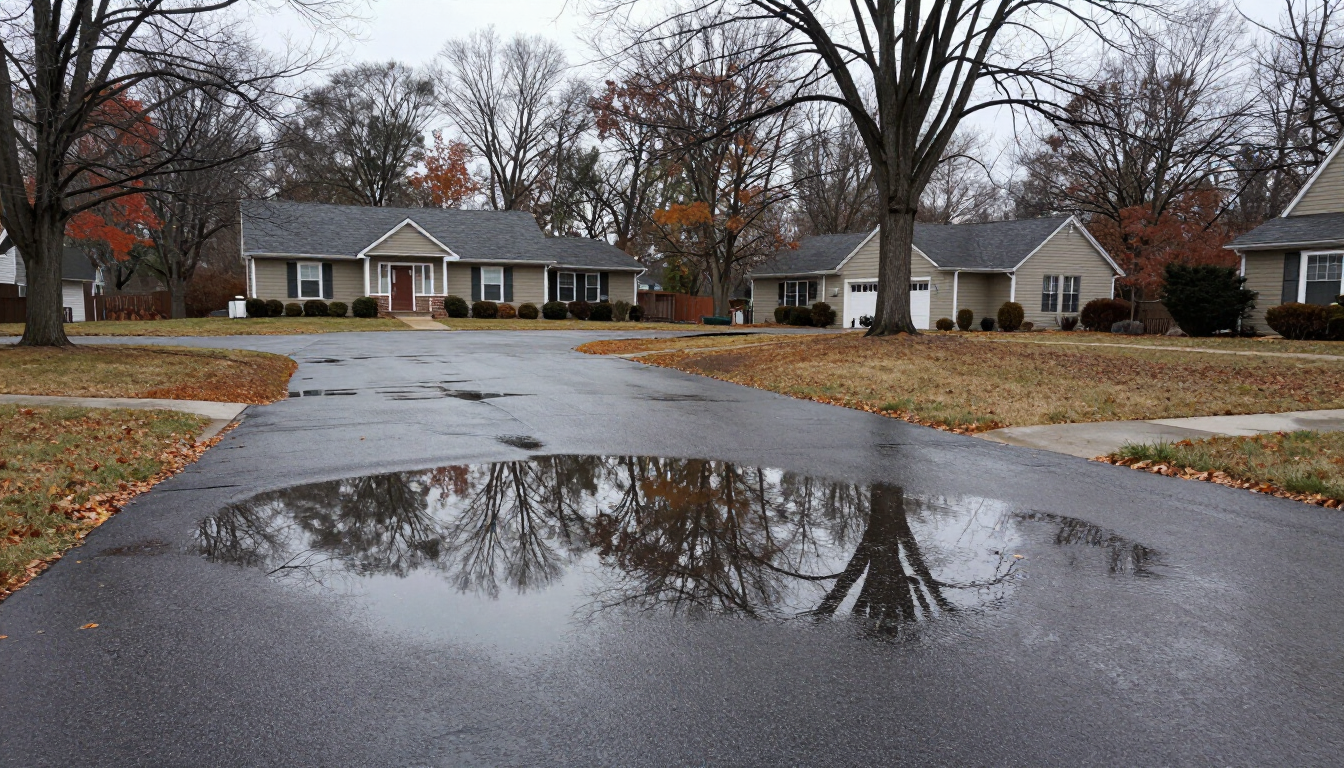
Water decides how long your hardscape lasts, so it goes first. Long Island's mix of sandy soil near the shore and heavier clay inland means drainage behaves differently from one yard to the next. Before any surface goes down, the ground should slope water away from your home and structures.
Key drainage steps include:
- Grading the site so water runs away from foundations and patios
- Installing French drains or dry wells where pooling is common
- Setting the correct base depth for the freeze and thaw cycles our winters bring
- Checking how runoff moves between your property and neighboring lots
Get this stage right and everything built on top of it stays put. Skip it, and even premium pavers will heave, shift, and pool water within a season or two.

Handle Structural Work and Retaining Walls Next
With water managed, the heavy structural pieces come next. Retaining walls, footings for outdoor kitchens, and any wall that holds back soil should be built before flat surfaces go in. These elements shape the grade and often need excavation that would damage finished paving.
Building them early also lets footings cure fully before more weight sits nearby. Rushing this stage is like framing a house before the concrete has set. The whole project leans on what you pour and stack now, so give it time.
Install Driveways and Major Paving
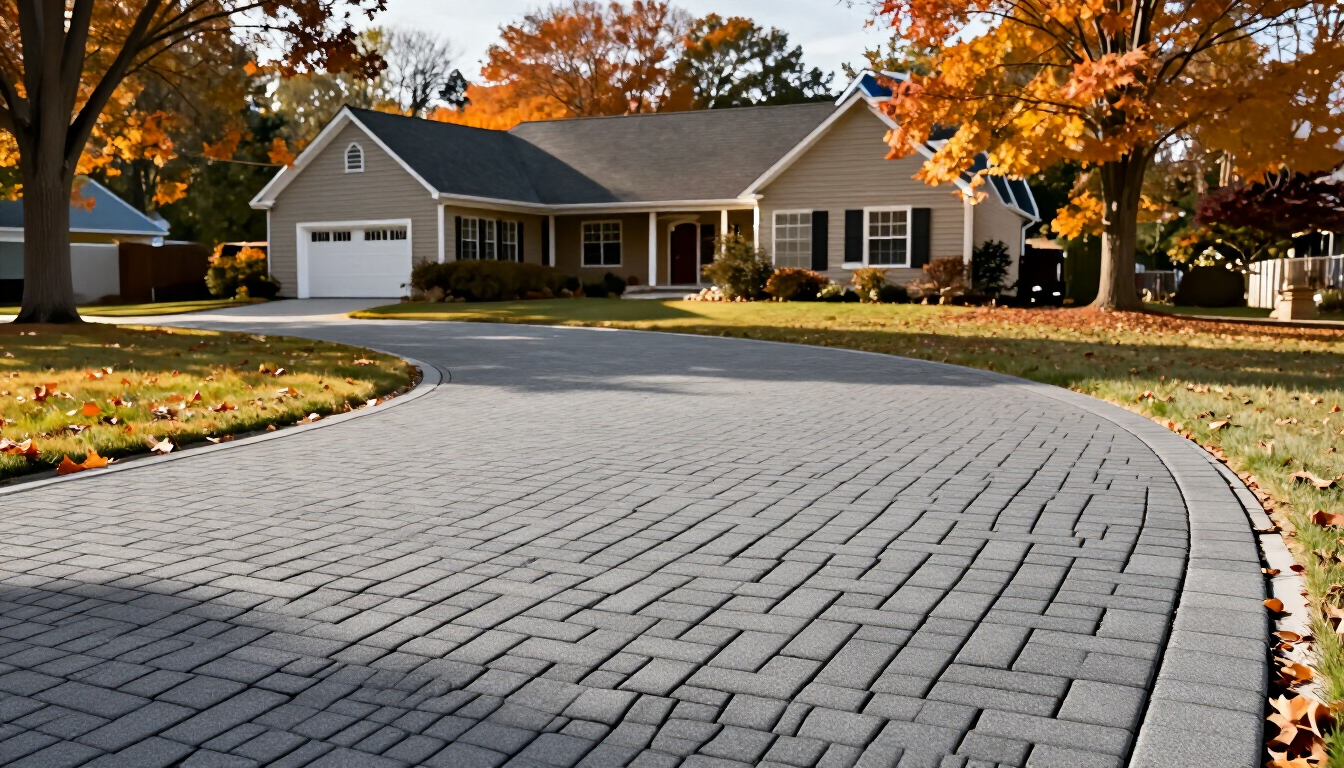
Large paved areas come after the structural bones are in place. Driveways, whether asphalt, concrete, or pavers, need a compacted base and room for equipment to move. Handling them before patios keeps heavy machinery and material deliveries off your detailed, finished work.
This stage also sets the main access points for your property. Clear, finished driveway routes help crews stage materials for the smaller projects that follow, which keeps the rest of the job moving without extra mess.
Build Patios, Walkways, and Stoops
Now the spaces you actually live in take shape. Patios, walkways, and stoops connect your home to the yard and tie the design together. Because these areas show the most detail, they belong after the heavy, dusty work is done and the site is calm.
A clean, well-planned patio installation can lift both daily comfort and resale value, so it deserves a protected worksite. Options here range from natural stone to interlocking pavers, each with its own look and upkeep. Walking the finished surfaces also lets you confirm heights at stoops and steps before anything permanent is set.

Add Features Like Firepits and Outdoor Kitchens
Once the main surfaces are set, the features that make a yard fun go in. Firepits, outdoor kitchens, seating walls, and poolscapes sit on or beside your finished hardscape, so they come near the end.
Placing them last prevents damage to fresh paving and lets you fine-tune exact positioning once you can stand in the space. A grill station or firepit often looks different on paper than it does under your feet, and this is the moment to adjust.
Finish With Sealing and Cleanup
The final stage locks in your work. Sealing concrete and pavers guards against stains, weeds, and the salt air that reaches coastal Long Island properties. Cleanup, joint sand, and a walkthrough inspection close out the project.
Think of sealing as sunscreen for your hardscape: quick to apply and far cheaper than repairing sun, salt, and stain damage down the road. A short appointment now can add years to how good your surfaces look.
Plan Your Long Island Project With Stonerock
Every yard in Suffolk and Nassau is a little different, so the right sequence depends on your site, soil, and goals. With over 30 years of local experience, Stonerock Paving & Masonry plans each project in the order that protects your budget and delivers results that hold up.
Visit our homepage to see the full range of services, then contact us for a free quote. Let's build your outdoor upgrade the right way, in the right order.
Frequently Asked Questions
How long does a full outdoor hardscape project take on Long Island?
Most projects run two to six weeks, depending on size, drainage needs, and weather. Larger jobs with retaining walls and several surfaces take longer. Stonerock provides a clear timeline during your free estimate so you can plan around it.
Can I install a patio before fixing my driveway?
It's better to finish the driveway first. Heavy equipment and material deliveries can crack or stain a finished patio. Completing major paving before detailed work keeps your patio protected and looking sharp for many years.
Why is drainage the first step in paving projects?
Water causes most hardscape failures, from sinking pavers to cracked concrete. Correcting the slope and adding drains before surfaces go down prevents pooling and freeze damage, both common during Long Island winters and expensive to repair afterward.
Do I need permits for paving and masonry work in Suffolk County?
Some projects, such as large driveways or retaining walls, require permits in Suffolk and Nassau Counties. A professional contractor handles these details for you. Stonerock knows local codes and manages the paperwork so your project stays compliant.
Is it cheaper to do all my outdoor projects at once?
Often yes. Combining projects shares excavation, base work, and setup costs, which lowers the overall price. Sequencing them together also stops crews from tearing up finished areas later, saving both money and time on your upgrade.
Our Recent Articles