Mid-Year Outdoor Surface Check: A Homeowner's Guide to Spotting Small Problems Before Fall
Summer is an excellent time to inspect your outdoor surfaces before cooler weather arrives. Dry conditions make cracks, loose pavers, and other signs of wear easier to spot. Addressing these small issues now can help you avoid costly repairs once fall rain and winter freezing temperatures take their toll.
A simple inspection doesn't require special equipment. By walking around your property and knowing what to look for, you can catch early warning signs before they become major problems.
Start With Your Driveway
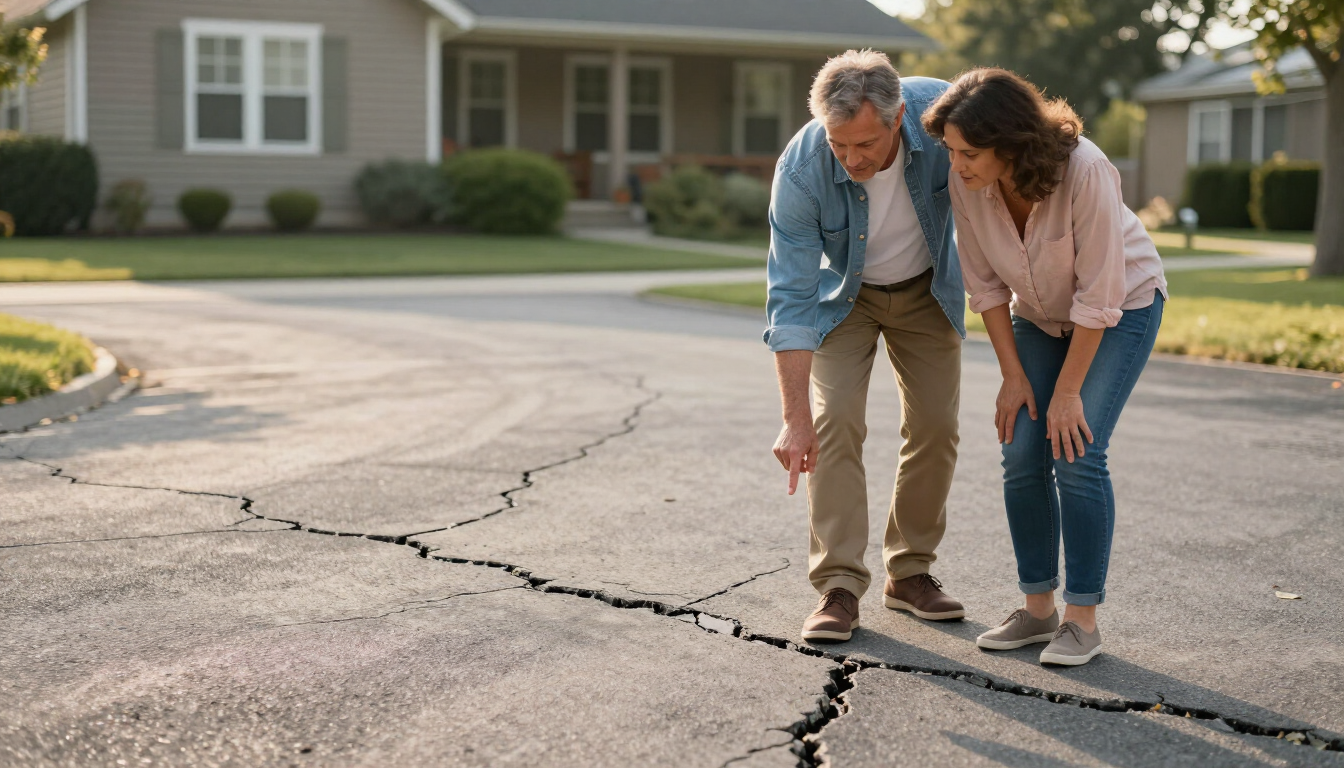
Your driveway handles daily traffic and constant exposure to the elements, making it one of the first places where damage appears.
Walk across the entire surface and pay close attention to any visible changes. Hairline cracks may not seem urgent, but they allow water to seep beneath the surface. Once temperatures begin to fluctuate, trapped moisture can expand and make those cracks much larger.
Also look for faded areas, crumbling edges, or sections where water tends to collect after rain. These often indicate that the surface or base needs attention.
If you notice any of these issues, it is worth scheduling repairs before fall arrives.
Check Patios and Walkways
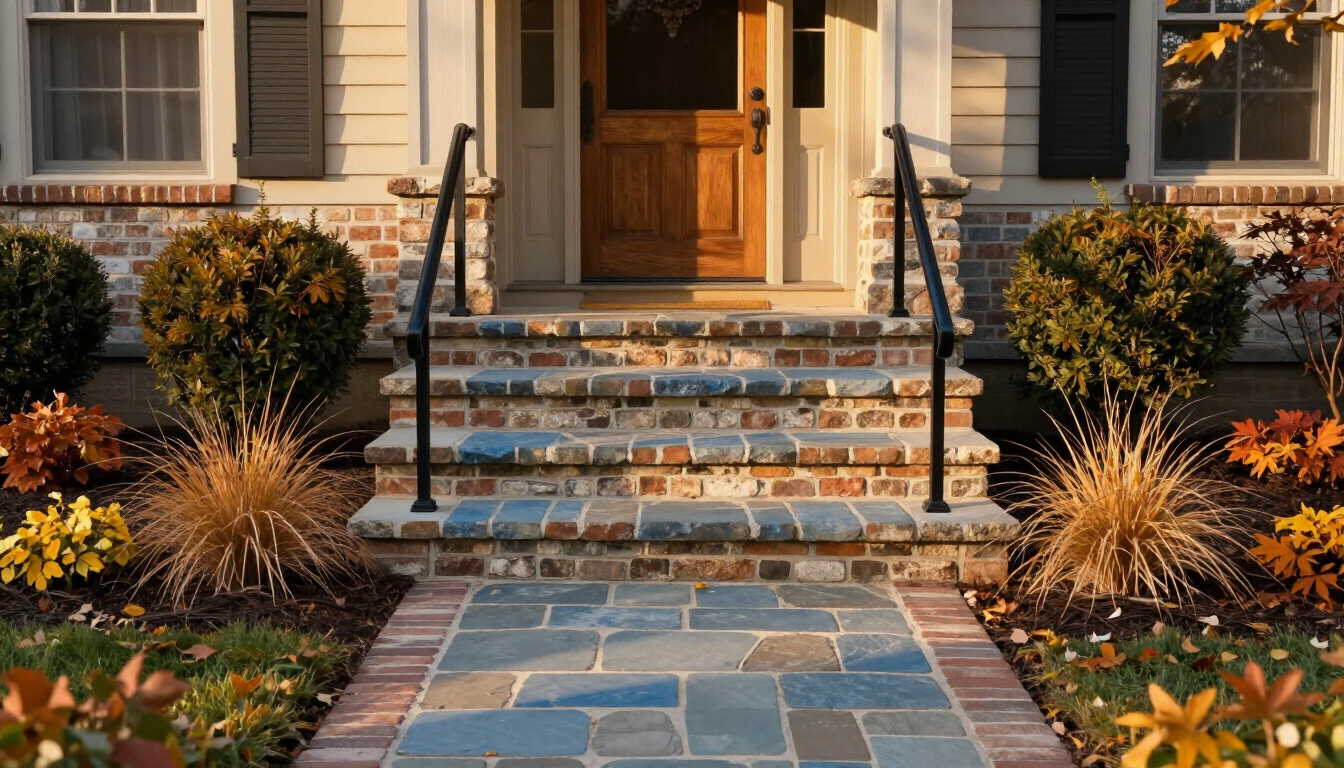
Patios and walkways often receive less attention than driveways, even though they face the same seasonal weather.
Take a slow walk around these areas and look for:
- Loose or rocking pavers
- Uneven sections that create trip hazards
- Missing joint sand
- Weeds growing between pavers
- Cracked concrete slabs
Small movement usually becomes worse over time. Resetting loose pavers or repairing damaged sections early helps preserve both safety and appearance.
Inspect Masonry Features
Stone and brick features deserve just as much attention during your inspection.
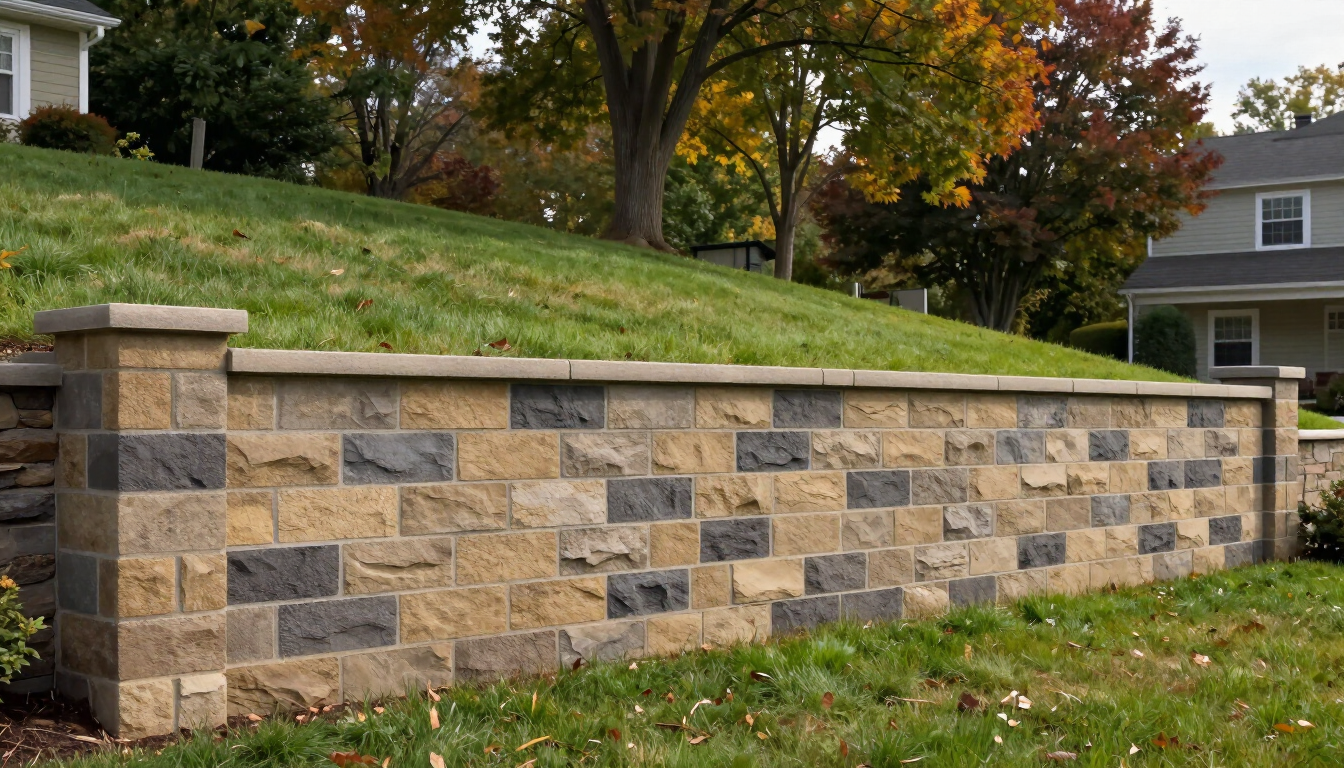
Retaining walls, stone steps, garden borders, and brickwork naturally expand and contract as temperatures change. Over time, mortar joints can weaken, allowing stones or bricks to shift.
Look closely for missing mortar, loose stones, leaning walls, or visible gaps. Even minor movement can affect the strength of the structure if left untreated.
Catching these issues now gives you more repair options before colder weather arrives.
Don't Ignore Drainage
Many paving problems begin with poor drainage rather than the surface itself.
After a rainfall, check whether water drains away properly or remains on your driveway or patio. Standing water may indicate low spots or drainage issues that slowly weaken the foundation underneath.
You should also watch for soil erosion around paved edges or water flowing toward your home's foundation. Correcting drainage problems protects both your outdoor surfaces and nearby structures.
Pay Attention to Surface Changes
Not every problem appears as a crack. Sometimes the surface itself tells you something is changing.
Watch for signs such as:
- Asphalt turning gray and brittle.
- White stains on concrete.
- Green algae on stone surfaces.
- Rust-colored stains.
- Areas that feel rougher than the surrounding surface.
Some of these changes are cosmetic, while others may signal trapped moisture or gradual deterioration. A closer inspection can determine whether maintenance or repairs are needed.
Simple Maintenance Makes a Difference
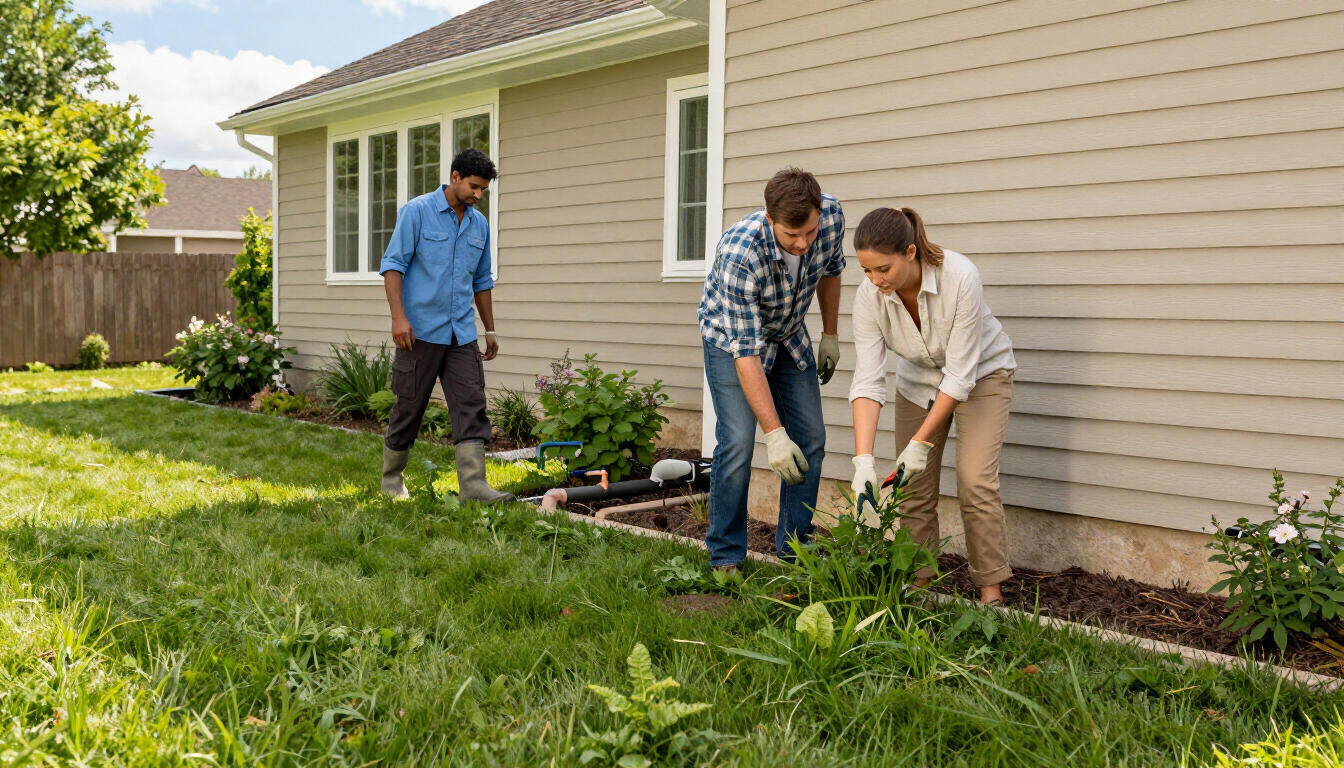
A few routine tasks throughout the summer can help extend the life of your outdoor surfaces.
Sweep away leaves and debris regularly, remove weeds before they spread, and keep drainage channels clear. If you notice small cracks, monitor them over time instead of ignoring them.
Cleaning paved areas also makes it easier to spot developing damage that dirt or stains might otherwise hide.
Think of maintenance as protecting your investment. Spending a little time now often prevents much larger repair bills later.
Know When to Call a Professional
Some issues require more than routine maintenance.
Consider contacting a paving and masonry contractor if you notice:
- Cracks wider than one-quarter inch
- Sinking or uneven surfaces
- Loose retaining walls
- Multiple damaged pavers
- Persistent standing water
- Crumbling asphalt or concrete
A professional inspection can identify underlying problems before they spread beneath the surface.
Prepare Your Property for Fall
A mid-year outdoor inspection is one of the easiest ways to protect your property. Small repairs completed during summer are often faster, less expensive, and more effective than waiting until damage becomes severe.
For homeowners throughout Suffolk County, taking a little time to inspect driveways, patios, walkways, and masonry features now can help keep outdoor spaces safe, attractive, and ready for every season.
If you discover signs of wear, Stonerock Paving & Masonry can provide expert repairs that restore both appearance and durability.
How often should I inspect my driveway and patio?
Inspect your outdoor surfaces at least twice a year, ideally during spring and mid-summer. Additional inspections after severe storms or harsh winters help identify damage before it becomes a larger repair project.
Can small driveway cracks wait until next year?
Small cracks should be repaired as soon as possible. Water can enter beneath the surface, causing expansion during freezing weather and leading to larger cracks, potholes, or structural damage over time.
Why are loose pavers a concern?
Loose pavers create trip hazards and allow surrounding pavers to shift. Repairing them early helps maintain a level surface and prevents more extensive work in the future.
What causes standing water on a driveway or patio?
Standing water often results from poor drainage, surface settling, or an uneven base. Left untreated, it can weaken the foundation and shorten the lifespan of your paved surfaces.
When should I contact a paving and masonry contractor?
Schedule an inspection if you notice wide cracks, sinking areas, loose masonry, recurring drainage problems, or surface deterioration. Early repairs are usually more affordable than replacing damaged sections later.
Our Recent Articles