How to Tell If Masonry Around Your Medford Home Needs Repair
Masonry damage often starts quietly. A loose paver, a small crack near a step, or a walkway that feels slightly uneven may not seem urgent at first. Over time, these small issues can spread, especially when water gets into joints, soil shifts, or cold weather adds pressure.
For Medford homeowners, masonry repair is often about timing. A patio, stoop, walkway, or retaining wall may only need a focused repair if the damage is caught early. If the base has moved or drainage has caused deeper problems, replacement may be the better choice.
If you are noticing cracks, shifting, or loose masonry around your home, a trusted masonry contractor in Medford, NY can inspect the area and explain whether repair or replacement makes more sense.
Small Cracks Can Grow After Winter
Small cracks are easy to overlook, especially if the masonry still looks mostly solid. The problem is that cracks give water a place to enter. Once water gets into masonry joints, pavers, concrete, or stonework, it can freeze during cold weather and expand inside the opening.
This can make a small crack wider after winter. It can also loosen surrounding material, weaken mortar, or create uneven sections nearby.
Common early signs include:
- Hairline cracks in steps, walls, or masonry joints
- Small chips along stone or concrete edges
- Mortar gaps between bricks or blocks
- Cracks that appear near corners
- Pavers that no longer sit evenly
A single small crack may be repairable. The bigger concern is whether the crack is spreading, widening, or appearing in several places at once.
Loose Pavers May Mean Base Movement
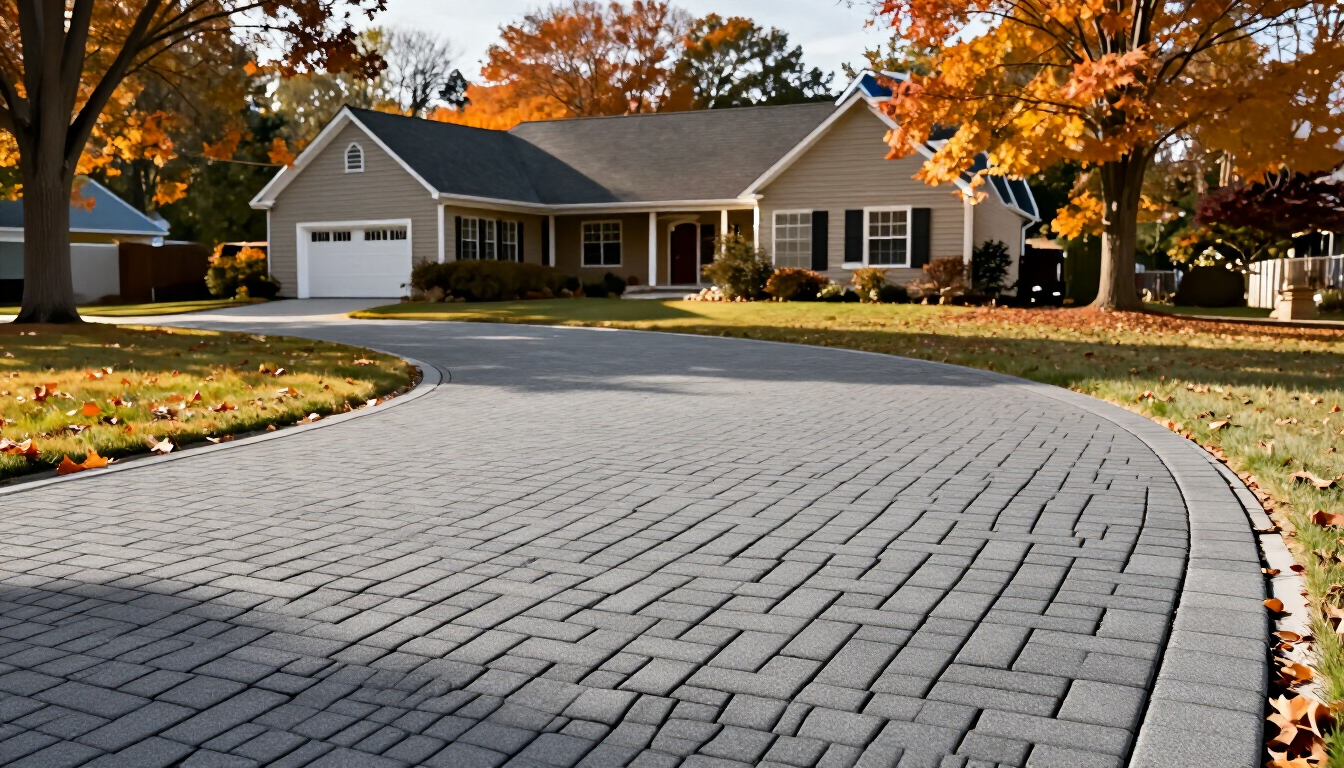
Loose pavers can happen on patios, walkways, driveways, pool areas, or entry paths. Sometimes the fix is simple. A few pavers may need to be lifted, reset, and secured again. Other times, loose pavers point to a base problem.
Pavers rely on a stable base underneath. If water washes out the base or the ground settles unevenly, the surface can shift. Joint sand loss, weak edge restraints, and poor drainage can also cause movement.
You may notice pavers rocking underfoot, gaps getting wider, or weeds growing through joints. Low spots may also collect water after rain. If one section keeps moving after repair, the base may need more attention than the surface.
Uneven Walkways Can Become Safety Problems
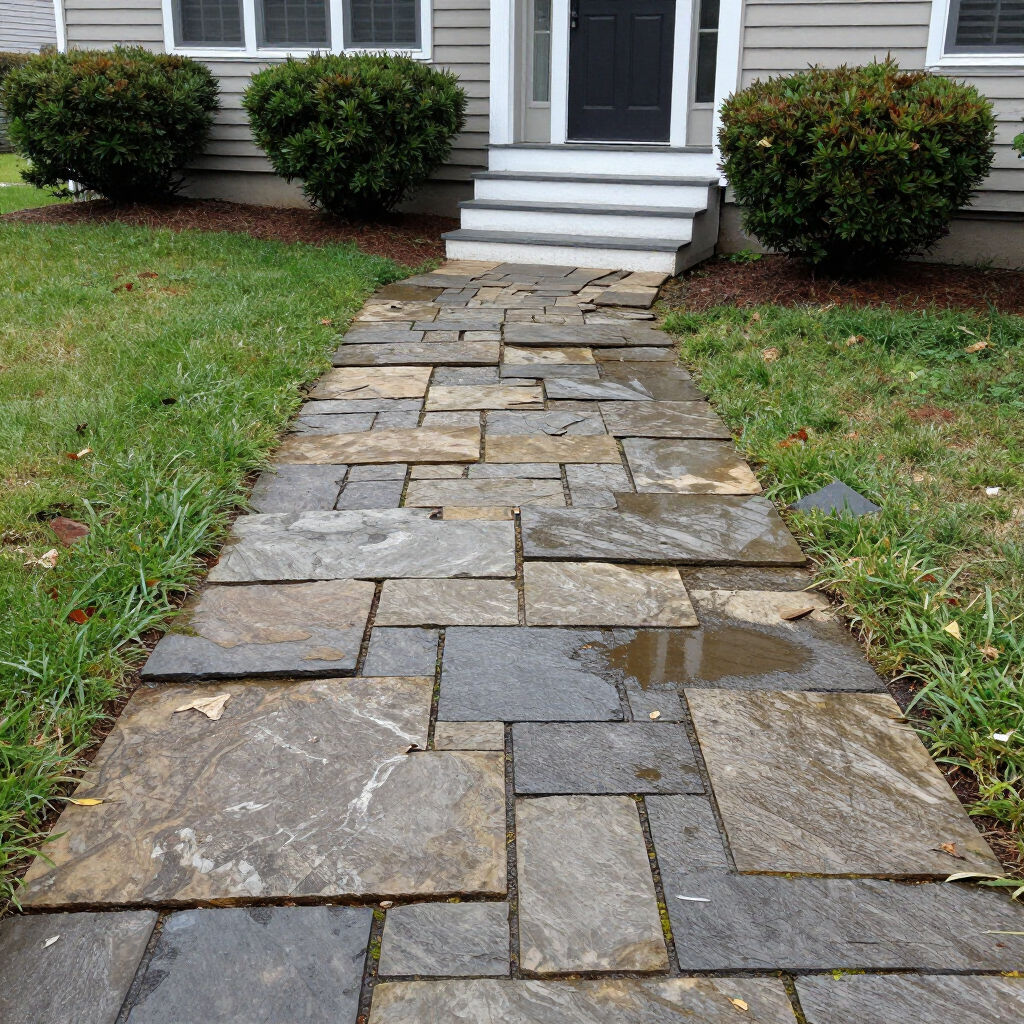
A walkway does not need to be badly damaged to become a concern. Even a slightly raised edge or sunken section can create a trip hazard, especially near the front door, driveway, steps, or side entrance.
Uneven walkways can be caused by tree roots, settlement, poor base preparation, drainage problems, or long-term wear. In Medford, repeated wet and cold weather can make these problems more noticeable over time.
A walkway should be checked if it has:
- Raised pavers or stones
- Sunken sections that hold water
- Gaps that keep widening
- Loose edges near grass or soil
- A poor connection to the stoop or driveway
Small walkway repairs can often be handled before the whole path needs replacement. The important part is finding out why the surface became uneven.
Sinking Stoops Should Not Be Ignored
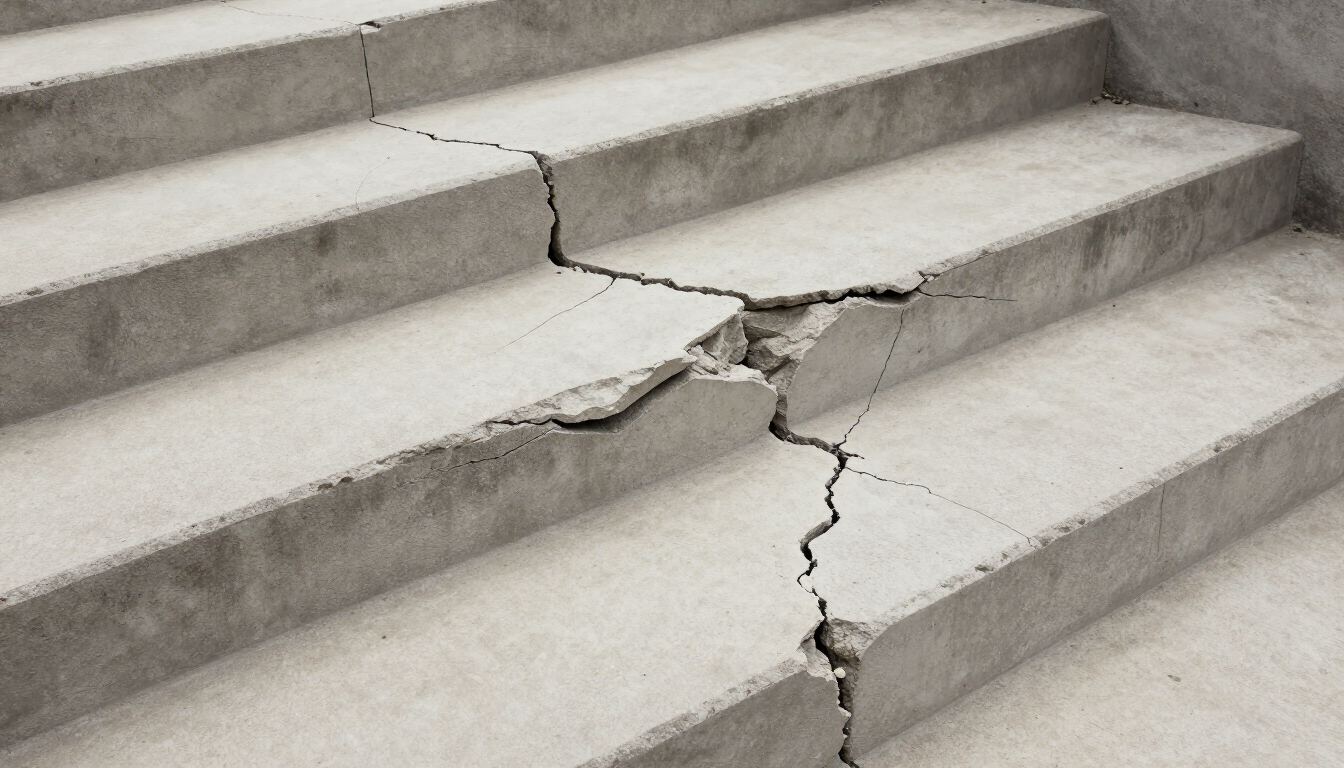
A stoop handles daily foot traffic and sits close to the home, so movement should be taken seriously. If a stoop sinks, cracks, or pulls away from the walkway, it can affect both safety and water flow near the entry.
Step height matters. When one step becomes higher or lower than expected, it can make the entrance uncomfortable or unsafe to use. Water collecting near the front door can also cause more wear around the stoop and nearby masonry.
Watch for cracks along the side, separation from the walkway, soft ground nearby, or movement near the foundation. A sinking stoop may be caused by poor base support, settlement, or drainage that has weakened the area underneath.
Leaning Retaining Walls Need Fast Attention
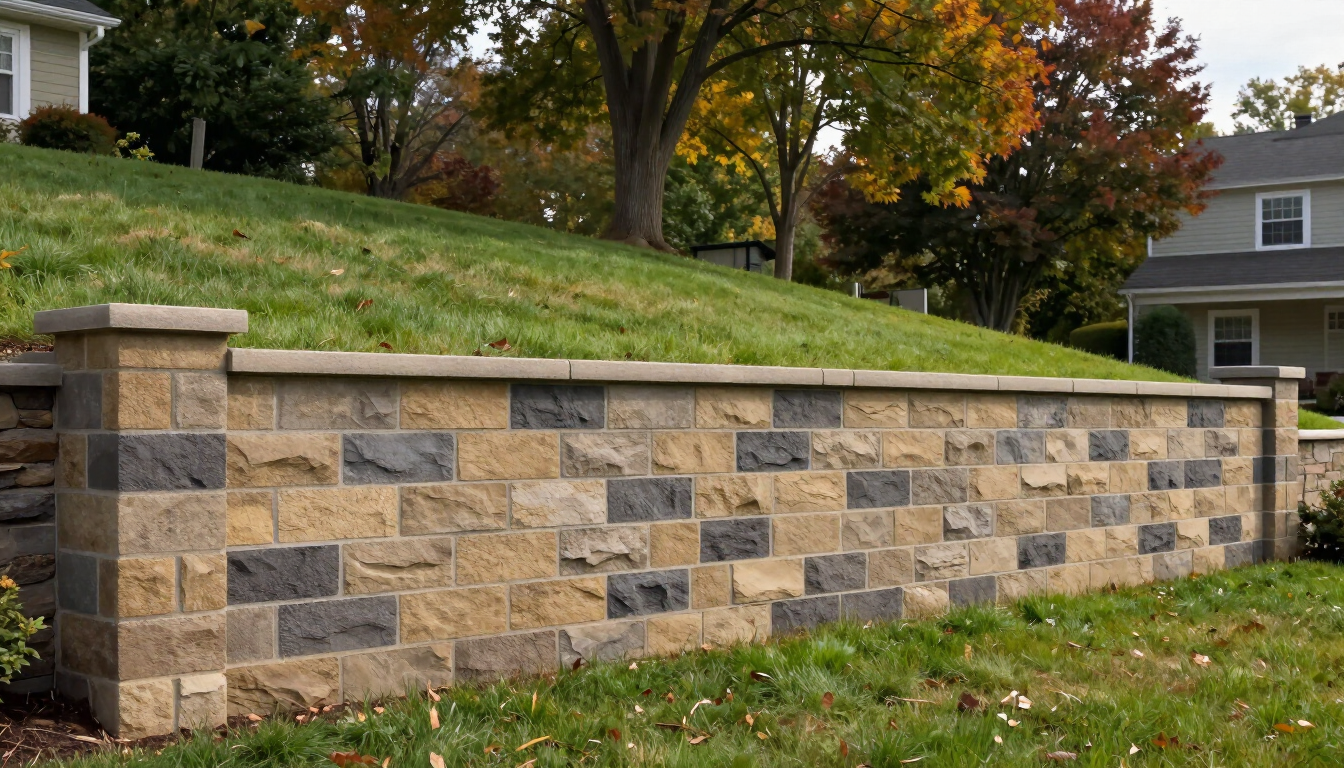
Retaining walls are different from decorative masonry because they hold soil and manage grade changes. A small surface crack may be cosmetic, but a wall that leans or bulges can point to pressure behind the structure.
That pressure may come from soil movement, poor drainage, or water collecting behind the wall after rain. Surface patching will not fix a wall that is being pushed forward from behind.
| Warning Sign | What It May Mean |
|---|---|
| Wall leaning forward | Soil pressure or weak support |
| Bulging in the middle | Pressure building behind the wall |
| Cracks spreading across blocks | Movement or stress in the structure |
| Soil washing out | Poor drainage control |
A retaining wall should be inspected before the movement gets worse. Waiting can make repairs harder and more expensive.
Drainage Problems Often Cause Masonry Damage
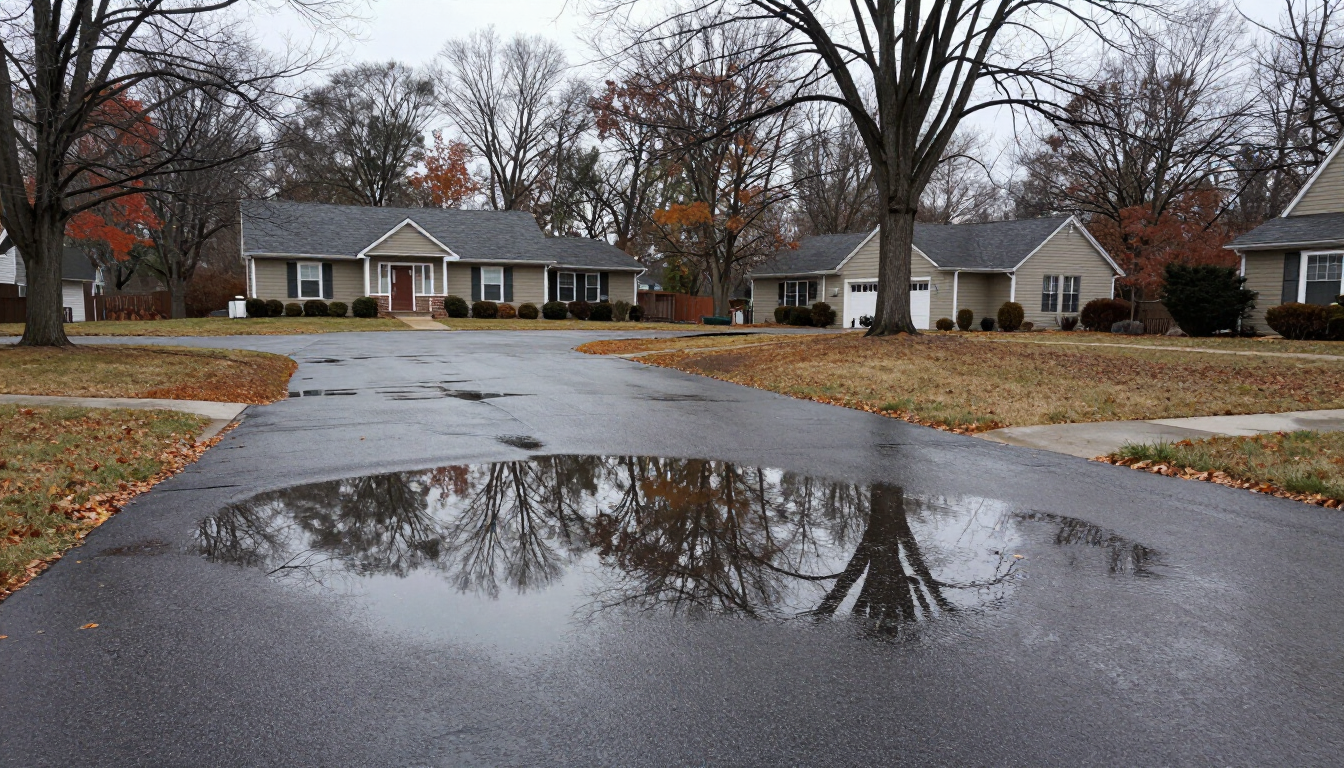
Water is one of the most common reasons masonry starts to fail. If water keeps collecting around a patio, walkway, stoop, or wall, it can weaken the base and create repeated damage.
Downspouts may drain onto a patio. A walkway may slope the wrong way. A retaining wall may lack proper drainage behind it. A low area may hold water after every storm.
The visible damage is often only part of the issue. A cracked joint or loose paver may be the result of water moving under the surface. If the drainage issue is not corrected, the same problem can return after repair.
Good masonry repair should look at both the damaged area and the water pattern around it.
When Masonry Repair Is Enough
Masonry repair can be a smart choice when the damage is limited and the structure is still stable. Repair is often possible for small cracks, loose pavers, minor mortar gaps, chipped stones, or isolated edge movement.
Repair may be enough when the base has not failed, the area drains properly, and the damage has not spread across several sections. In these cases, a contractor may reset pavers, replace damaged units, fill joints, repair mortar, or correct a small section of the base.
The goal is to fix the problem before it grows. Early repair can protect the rest of the patio, walkway, stoop, or wall from further movement.
When Masonry Replacement Makes More Sense
Replacement may be better when the problem keeps returning or the structure is no longer stable. Repeated repairs can become frustrating if the base has failed, water keeps collecting, or several areas are already uneven.
Replacement may make more sense if:
- Cracks keep coming back
- A stoop is sinking or separating
- A retaining wall is leaning
- A walkway has several uneven sections
- Drainage has damaged the base
- Older masonry no longer matches new repairs
Replacing the damaged area gives the contractor a chance to rebuild the base, adjust the grade, improve water movement, and install masonry that fits the property.
Get Masonry Checked Before Damage Spreads
Masonry problems are easier to manage when they are inspected early. A small crack, loose paver, or uneven step may be repairable now, but it can become a larger project if water, soil movement, or base failure continues.
Stonerock Paving & Masonry can inspect patios, stoops, walkways, retaining walls, and other masonry features around your Medford home. If you need help from a local masonry contractor in Medford, NY, contact the team for a free on-site estimate and a clear recommendation.
Can small masonry cracks be repaired?
Yes, small masonry cracks can often be repaired if the structure is stable and the damage has not spread. Early repair helps keep water out of the opening, which can reduce the chance of wider cracks after cold or wet weather.
Why are my pavers becoming loose?
Pavers can become loose because of joint sand loss, weak base preparation, poor edge support, drainage problems, or soil movement. If the same section keeps shifting, the issue may be below the pavers rather than only on the surface.
Is a leaning retaining wall serious?
Yes, a leaning retaining wall should be checked quickly because it may point to soil pressure, poor drainage, or weak support. Surface patching will not solve the pressure behind the wall if the structure is already moving forward.
Should I repair or replace damaged masonry?
Repair may work when the damage is small and the base is stable. Replacement may be better when the area is sinking, cracks keep returning, drainage has weakened the base, or the structure is no longer level or safe.
Who should I call for masonry repair in Medford?
Call a local masonry contractor who understands Medford properties, Long Island weather, drainage, base preparation, and structural masonry work. Stonerock Paving & Masonry handles masonry repair and replacement for patios, stoops, walkways, retaining walls, and outdoor spaces.
Our Recent Articles