Why Patios Sink, Shift, or Hold Water in Medford, NY
Why Patios Sink, Shift or Hold Water
A patio should feel steady, level, and easy to use. When it starts sinking in one corner, shifting along the edges, or holding water after rain, the issue is often deeper than the surface you can see.
For Medford homeowners, patio problems can come from weak base preparation, poor drainage planning, soil movement, rushed installation, or weather exposure. Once you know what is happening underneath, it becomes easier to decide whether repair is enough or whether a rebuild makes more sense.
Patio problems usually start below the surface
Most homeowners notice the surface first. You may see a low spot, a gap between pavers, loose edging, or water sitting near the back door. Those signs matter, but they are usually symptoms rather than the original cause.
A patio depends on several layers working together. The visible pavers, concrete, stone, or slabs are only the finish. Underneath, the patio needs the right excavation depth, a stable sub-base, proper compaction, bedding material, drainage direction, and secure edges.
When one of those parts is missing or poorly handled, movement becomes more likely. A patio may look fine when first installed, but small weaknesses can show up after rain, regular use, or seasonal temperature changes.
Common warning signs include pavers dipping in one area, water pooling after rain, edges spreading into the lawn, cracks in concrete sections, joint sand washing away, or a patio that slopes back toward the house. These are not just cosmetic issues. They can affect safety, drainage, comfort, and long-term value.
Poor base preparation can cause sinking

One of the most common reasons patios sink is a weak or shallow base. The base is the support system under the surface. If it is not deep enough, compacted properly, or built with suitable aggregate, the patio can settle unevenly.
This is especially important for paver patios. Pavers are strong, but they rely on the base beneath them. If the base shifts, the surface follows. A single sunken section can eventually spread as water collects in the low spot.
Base problems can happen when the ground was not excavated deep enough, soft soil was left in place, the aggregate layer was too thin, compaction was rushed, or the patio was installed over old, unstable material. A properly built patio should be supported from the ground up.
Water pooling often means the slope is wrong
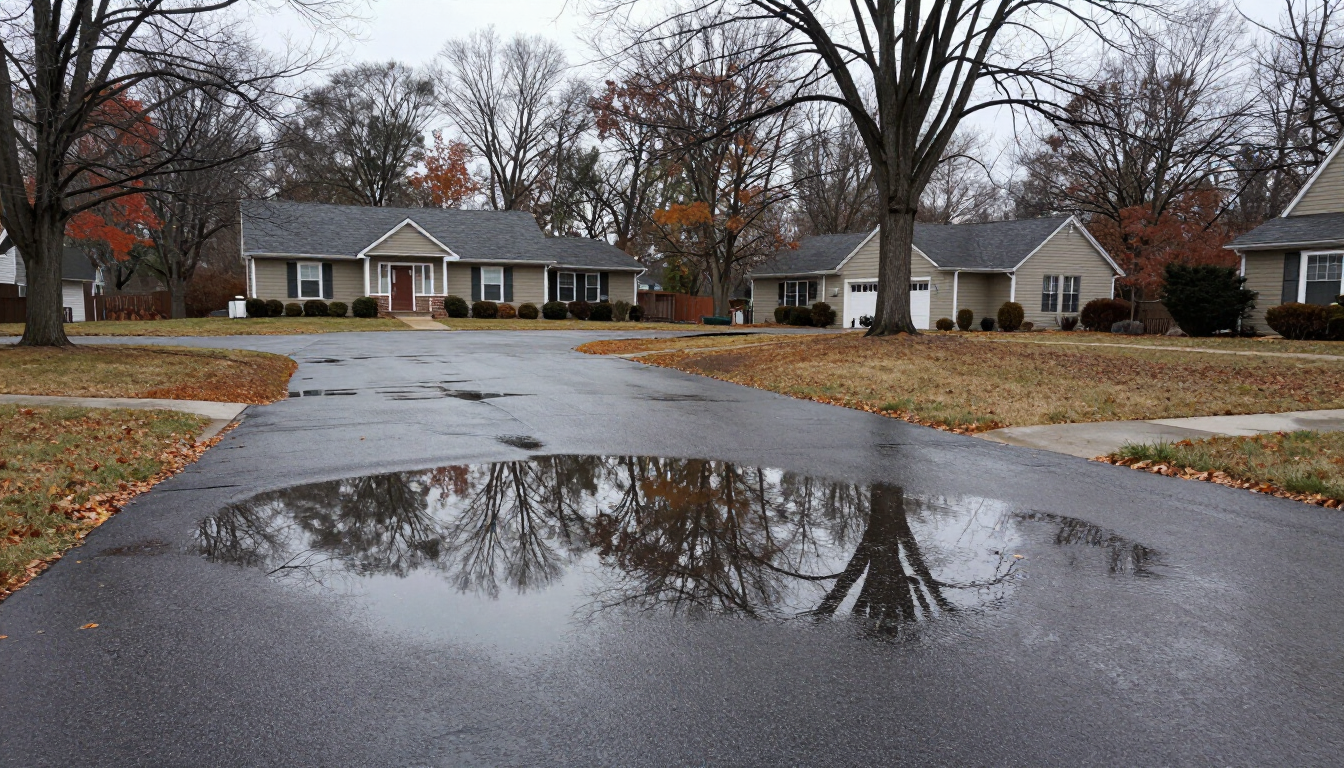
Standing water on a patio is usually a drainage issue. Patios need a slight fall so water can move away from the home, seating areas, steps, and walkways. If the surface is too flat, water can sit. If the slope runs in the wrong direction, water may move where it should not.
This can become more than an inconvenience. Water that sits on a patio can create slippery areas, stain the surface, weaken joints, encourage moss or algae, and speed up base movement.
Pay attention if water sits for hours after light rain, runs back toward the foundation or door, collects near steps, washes sand out from between pavers, or leaves damp marks in the same place. Good drainage should not be guessed once the surface is already down.
Medford yards need proper planning
Every yard is different. Some Medford properties have flatter outdoor spaces, while others have slopes, soft areas, older landscaping, or tight access near the rear of the home. These details can change how a patio should be built.
Soil conditions matter because the ground has to support the patio through rain, use, and seasonal changes. If the soil moves, drains slowly, or was disturbed by previous work, the base may need extra attention.
Long Island patios also deal with rain, winter conditions, and temperature changes. When water gets into weak areas and temperatures drop, movement and cracking can become more noticeable.
This is why a proper site inspection is important before choosing materials or layout. A patio contractor should check drainage, grade, soil condition, access, and how the patio will connect to doors, walkways, steps, fences, and lawn areas.
For homeowners planning a new outdoor space, Stone Rock’s patio installation in Medford service is built around site evaluation, base preparation, drainage, and local patio construction needs
Shifting pavers can point to weak edges
If your pavers are moving outward, separating, or becoming uneven near the border, the issue may be edge restraint. Paver patios need solid edges to keep the surface locked in place. Without proper edge support, the pavers can slowly spread under foot traffic, furniture, rain, and normal use.
Joint failure can make shifting worse. When joint sand washes out or weeds grow through wide gaps, the pavers lose some of their interlock. Once that happens, the surface may feel loose or uneven.
Shifting pavers may be caused by poor edging, missing restraint along open sides, washed-out joint sand, weak base compaction, heavy furniture placed near edges, or water moving under the patio. Small sections can sometimes be lifted, corrected, and reset.
Concrete patios can crack when prep is rushed
Concrete patios can also sink, crack, or hold water. While concrete is a solid surface, it still needs proper base preparation and drainage. If the ground underneath settles, the slab can crack or dip.
Control joints matter too. These joints help manage where concrete may move as it cures and responds to temperature changes. Without them, cracks can appear in less controlled places.
A concrete patio may need attention if you notice widening cracks, one slab section sitting lower than another, water near the house, broken edges, or uneven surface patches.
Repair or replacement depends on the cause
Concrete patios can also sink, crack, or hold water. While concrete is a solid surface, it still needs proper base preparation and drainage. If the ground underneath settles, the slab can crack or dip.
Control joints matter too. These joints help manage where concrete may move as it cures and responds to temperature changes. Without them, cracks can appear in less controlled places.
A concrete patio may need attention if you notice widening cracks, one slab section sitting lower than another, water near the house, broken edges, or uneven surface patches.
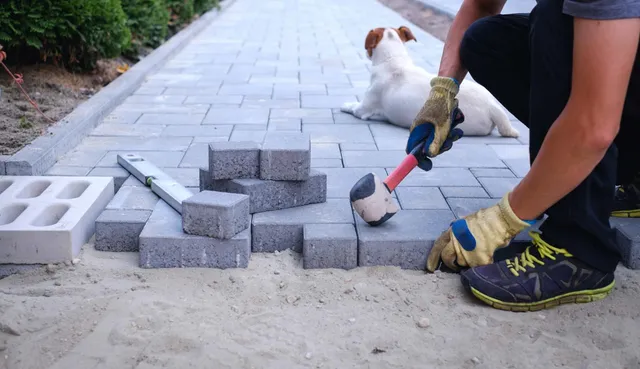
A full replacement may be smarter when problems are spread across the patio. If several areas are sinking, water drains in the wrong direction, or the layout no longer fits how you use the yard, rebuilding can give you a cleaner long-term result.
Replacement also gives you a chance to improve the design. You may want a larger seating area, safer steps, better access to the garden, a firepit zone, or a smoother connection between the house and lawn
Build the patio right before problems start
The best way to avoid sinking, shifting, and standing water is to plan the patio correctly from the beginning. That means choosing the right material, preparing the base properly, setting the correct slope, securing the edges, and thinking about how water will move across the yard.
A good patio should fit the home, the grade, the soil, and the way the family will use the space. It should also connect cleanly with steps, walkways, doors, retaining walls, and garden areas.
If your Medford patio is already showing signs of movement, do not judge it by the surface alone. The real problem may be underneath.
Stone Rock Paving & Masonry can inspect the area, explain what is causing the issue, and recommend whether repair or replacement is the better choice. A patio that is built on the right foundation will look better, drain better, and stay usable for year
Why is my patio sinking in some areas?
A patio usually sinks because the base underneath was not deep, compacted, or stable enough. Water movement, soft soil, and poor drainage can create low spots over time, especially when the surface keeps collecting rain in the same place.
Is standing water on a patio a serious problem?
Standing water can become a problem if it appears often or drains toward the house. It may lead to slippery areas, staining, joint washout, base movement, or long-term settlement if the drainage issue is not corrected properly.
Can sunken pavers be lifted and reset?
Yes, some sunken pavers can be lifted and reset if the problem is limited to one section. The base may need to be rebuilt or compacted first so the same area does not sink again after repair.
Do concrete patios sink too?
Concrete patios can sink, crack, or become uneven when the ground underneath settles or was not prepared correctly. Proper base preparation, drainage, and control joints help reduce movement and improve the patio’s long-term performance.
Should I repair or replace my uneven patio?
Small uneven areas may be repairable, but widespread sinking, poor drainage, or an outdated layout may make replacement the better option. A site inspection can confirm whether the issue is surface-level or caused by the base underneath.
Our Recent Articles