When Asphalt Driveway Repairs Stop Being Enough
A few cracks in an asphalt driveway do not always mean you need a full replacement. In many cases, small repairs can extend the life of the surface and help prevent water from getting underneath. The problem starts when the same damage keeps coming back.
Asphalt driveways break down for different reasons. Some issues are surface-level, while others point to a failing base, poor drainage, or old asphalt that can no longer hold up to daily use. Knowing the difference helps you avoid wasting money on short-term fixes when the driveway needs a stronger solution.
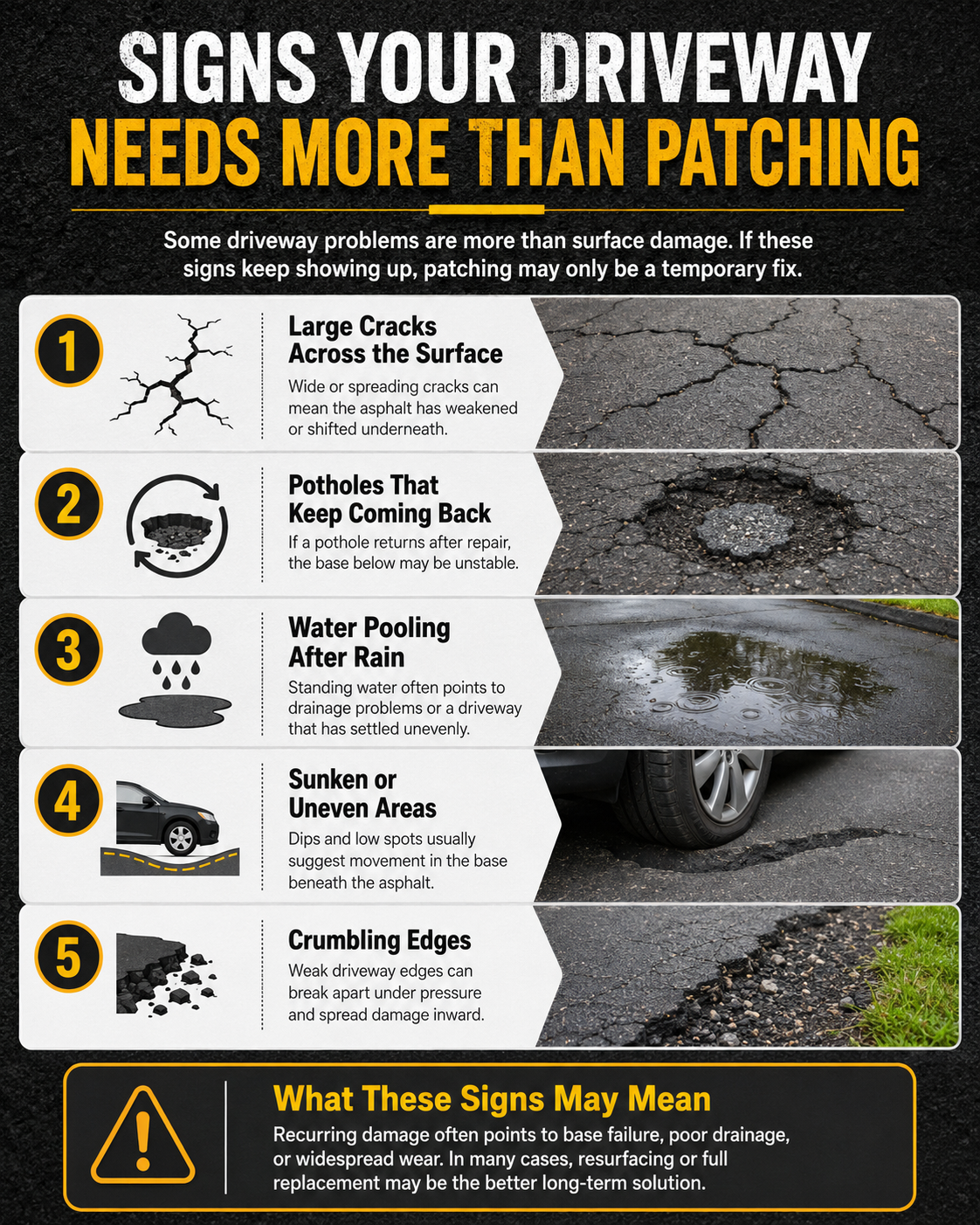
If your driveway has potholes, sinking spots, wide cracks, or water pooling after rain, it may be time to look beyond simple patching.
Why Asphalt Damage Gets Worse Over Time
Asphalt is built to handle vehicles, weather, and regular use, but it still depends on the strength of the layers underneath. The surface may be the part you see, but the base is what keeps everything stable.
When cracks open, water can seep through the asphalt. Once moisture reaches the base, it can soften the material underneath. In colder seasons, that water can freeze, expand, and push the asphalt apart. This is one reason small cracks can turn into wider gaps, potholes, and uneven sections.
Damage also spreads when vehicles drive over weak areas every day. A soft spot under the surface may begin as a small dip, but the pressure from tires can make it sink deeper. Over time, the driveway becomes harder to repair because the structure below the asphalt has already moved.
That is why asphalt problems should be checked early. The sooner you understand what is causing the damage, the easier it is to choose the right repair.
When a Simple Asphalt Repair Makes Sense
Not every driveway problem requires major work. If the asphalt is still stable and the damage is limited, repair may be enough to restore the surface and prevent the issue from spreading.
Small repairs may be the right choice when you have:
- Thin cracks that are not spreading quickly
- Minor edge wear in one area
- A small pothole caused by surface damage
- Light fading or dryness
- A driveway that still drains properly
- No major sinking or movement
Crack filling is often used to seal gaps before water can get into the base. Patching may be used for small damaged areas where the surrounding asphalt is still firm. These repairs can help protect the driveway, especially when followed by proper maintenance.
However, repair only works when the base is still in good condition. If the driveway is moving, sinking, or breaking apart in several places, patching the surface will not solve the main problem.
When Asphalt Resurfacing Is the Better Option
Asphalt resurfacing is a middle-ground solution between small repairs and full replacement. It involves preparing the existing driveway and adding a fresh layer of asphalt over the top.
This can be a smart option when the driveway looks worn but the base is still strong. Resurfacing can improve appearance, smooth out minor surface issues, and add protection without removing the entire driveway.
Resurfacing may be suitable if:
- The base is stable
- Cracks are minor or have been repaired
- There are no major drainage problems
- The driveway is faded but not badly broken
- The surface is worn but not sinking
The key is inspection. If the old asphalt is laid over a weak base, a new layer will only cover the problem temporarily. The driveway may look fresh at first, but cracks and dips can return because the issue underneath was never corrected.
Before resurfacing, the contractor should check the condition of the base, drainage, and existing asphalt. A careful review helps prevent spending money on a surface layer that will not last.
When Full Asphalt Replacement Is Needed
Full replacement is the better choice when the asphalt and base have both failed. It may cost more than patching or resurfacing, but it gives the contractor a chance to fix the cause of the damage.
Replacement usually involves removing the old asphalt, correcting the base, grading the area for drainage, compacting the foundation, and installing new hot mix asphalt. This process creates a stronger driveway from the ground up.
A full replacement may be needed if:
- The driveway has widespread cracking
- Several areas have potholes
- Water drains toward the house or garage
- Large sections are sinking
- The asphalt is old, brittle, or crumbling
- Repairs no longer hold for more than one season
This is often the best long-term option when the driveway has reached the point where maintenance is no longer enough. Instead of paying for repeated repairs, replacement gives you a clean, stable surface that is built properly from the start.
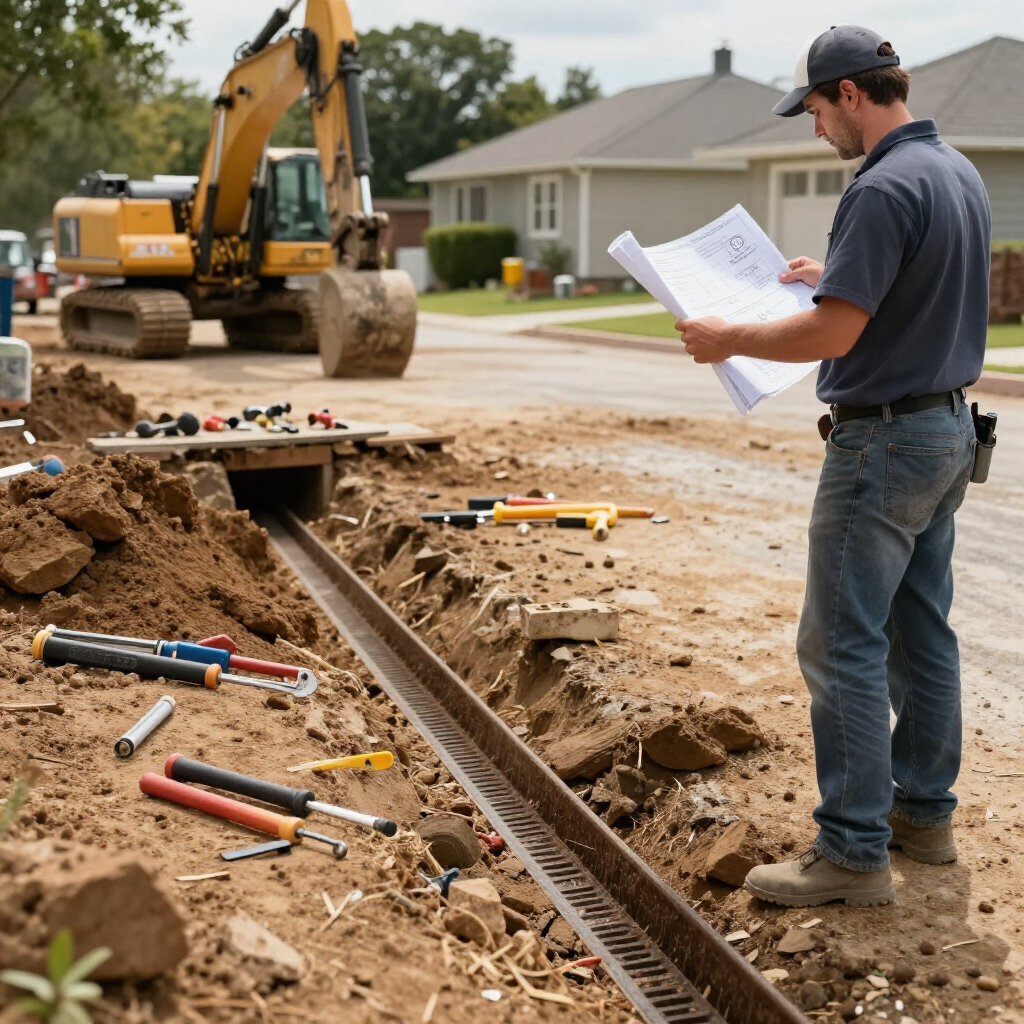
Why Base Preparation Matters So Much
Many asphalt failures happen because the base was not prepared correctly. A driveway can look smooth after installation, but if the foundation underneath is weak, problems will show up later.
Good base preparation includes proper excavation, compacted aggregate, and correct grading. The depth and strength of the base should match the soil conditions and the expected vehicle load. A driveway used by regular passenger vehicles may not need the same structure as one used by heavier trucks or commercial traffic.
Drainage is just as important. Water should move away from the driveway and nearby structures. If water sits on the asphalt or runs toward the base, it can shorten the life of the surface.
For homeowners comparing repair and replacement options, this is one of the most important questions to ask: is the surface failing, or is the base failing? If the base is the problem, surface repairs will not be enough.
The Role of Sealcoating in Driveway Maintenance
Sealcoating helps protect asphalt from water, sunlight, and everyday wear. It also refreshes the dark finish of the driveway, which can improve curb appeal.
However, sealcoating is maintenance, not structural repair. It cannot fix potholes, deep cracks, sinking areas, or drainage problems. If the driveway is already failing, sealcoating over the damage may only hide the issue for a short time.
Sealcoating works best when:
- The asphalt is still stable
- Cracks have been filled first
- The surface is clean and dry
- There are no major base problems
- The driveway is maintained regularly
Think of sealcoating as protection for a healthy driveway, not a cure for a failing one.
How to Decide Between Repair, Resurfacing, and Replacement
Choosing the right asphalt service depends on the condition of your driveway. The best option is not always the cheapest one upfront. It is the one that solves the real problem.
Use this simple guide:
- Choose repair if the damage is small, isolated, and surface-level.
- Choose resurfacing if the surface is worn but the base is still solid.
- Choose replacement if the driveway has widespread cracks, potholes, sinking, or drainage failure.
A professional inspection can help you avoid guessing. The driveway may only need a small repair, or it may need deeper work to prevent the same issues from returning.
If your property is in the area and you are unsure what your driveway needs, Stonerock Paving & Masonry can help with asphalt paving in Holtsville, NY, including repairs, resurfacing, replacements, and new driveway installation.
Make the Right Call Before the Damage Spreads
Asphalt problems rarely stay the same for long. A small crack can let in water. A low spot can turn into a drainage issue. A weak patch can become another pothole after enough traffic and weather exposure.
The sooner you check the condition of your driveway, the easier it is to choose the right solution. Repairs can work well when the damage is limited. Resurfacing can give a solid driveway a fresh surface. Replacement is often the smarter investment when the base has failed.
If your driveway is cracked, uneven, or holding water after rain, schedule an estimate before the damage spreads. Stonerock Paving & Masonry can inspect the surface, explain your options, and recommend the right asphalt service for your property.
Can asphalt cracks be repaired?
Yes, small asphalt cracks can often be filled before they spread. Crack filling helps stop water from reaching the base. If the cracks are wide, deep, or spread across the driveway, resurfacing or replacement may be needed.
Is resurfacing better than replacing an asphalt driveway?
Resurfacing is better when the base is still strong and the surface has minor wear. Replacement is better when the driveway has sinking, potholes, drainage issues, or widespread cracking. The right choice depends on the structure underneath.
How do I know if my asphalt base has failed?
A failed base often causes sinking, recurring potholes, uneven sections, and cracks that return after repair. Water pooling is another warning sign. If surface repairs do not last, the problem is likely deeper than the asphalt layer.
Does sealcoating fix driveway damage?
Sealcoating protects asphalt, but it does not fix structural damage. Cracks should be filled before sealcoating, and potholes or sinking areas need repair first. Sealcoating works best as maintenance for asphalt that is still stable.
When should I call an asphalt contractor?
Call an asphalt contractor when cracks spread, potholes return, water pools, or sections of the driveway start sinking. Early inspection can help you avoid larger repairs and decide whether repair, resurfacing, or replacement makes the most sense.
Our Recent Articles