Driveway Paving Mistakes That Shorten the Life of Your Surface
A new driveway should give your home a cleaner entrance, safer parking, and a surface that can handle daily use. But when the paving work is rushed or the base is not prepared correctly, problems can show up much sooner than expected.
Cracks, dips, loose edges, and standing water are often blamed on age. In reality, many driveway problems begin during installation. The material on top matters, but the work beneath the surface is what decides how well the driveway holds up over time.
If you are planning a new driveway or replacing an old one, knowing what can go wrong helps you ask better questions before the job begins.
Mistake 1: Starting With a Weak Base
A driveway is only as strong as the base below it. The surface may be asphalt, concrete, or pavers, but it still needs compacted support underneath to handle vehicle weight and seasonal ground movement.
A weak base can lead to:
- Sinking sections
- Cracks that return after repair
- Low spots near the garage
- Loose or crumbling edges
- Potholes in the same areas
Some contractors try to save time by adding new material over an unstable surface. That may improve the look of the driveway for a short while, but it does not solve the real problem. If the ground below is soft, uneven, or poorly compacted, the new surface can shift again.
Good driveway paving starts with proper excavation, suitable base material, and staged compaction. The goal is to create a stable layer that supports the finished surface instead of letting it move under pressure.
Mistake 2: Ignoring Drainage Before Paving
Water is one of the biggest threats to a driveway. When it sits on the surface or seeps into the base, it can weaken the structure and speed up cracking. This is especially important in areas that deal with rain, snow, and freeze-thaw cycles.
Drainage should be planned before installation begins. It is much harder to fix water problems after the driveway is already paved.
Poor drainage can cause:
- Water pooling after rain
- Ice patches in colder weather
- Soil movement under the driveway
- Surface cracks from trapped moisture
- Water running toward the garage or foundation
A properly graded driveway should move water away from the house and off the paved surface. Sometimes that means adjusting the slope, correcting low spots, or planning drainage around nearby walkways, lawns, or entry points.
If a contractor does not discuss drainage during the estimate, that is a warning sign. The way water moves across the property should guide the paving plan from the start.
Mistake 3: Choosing the Wrong Paving Option for the Driveway
Not every driveway needs the same type of work. Some surfaces only need repairs. Others are good candidates for resurfacing. In more serious cases, full replacement is the smarter choice.
The mistake is choosing based on price alone without checking the condition of the existing surface and base.
A repair may be enough when the damage is small and isolated. Resurfacing may work when the base is still strong but the top layer is worn. Replacement is usually needed when there are widespread cracks, sinking areas, drainage failure, or repeated potholes.
If your property needs professional driveway paving in Holtsville, NY, the best first step is a proper site review. The right service should match the condition of the driveway, not just the surface appearance.
Mistake 4: Patching Over Structural Problems
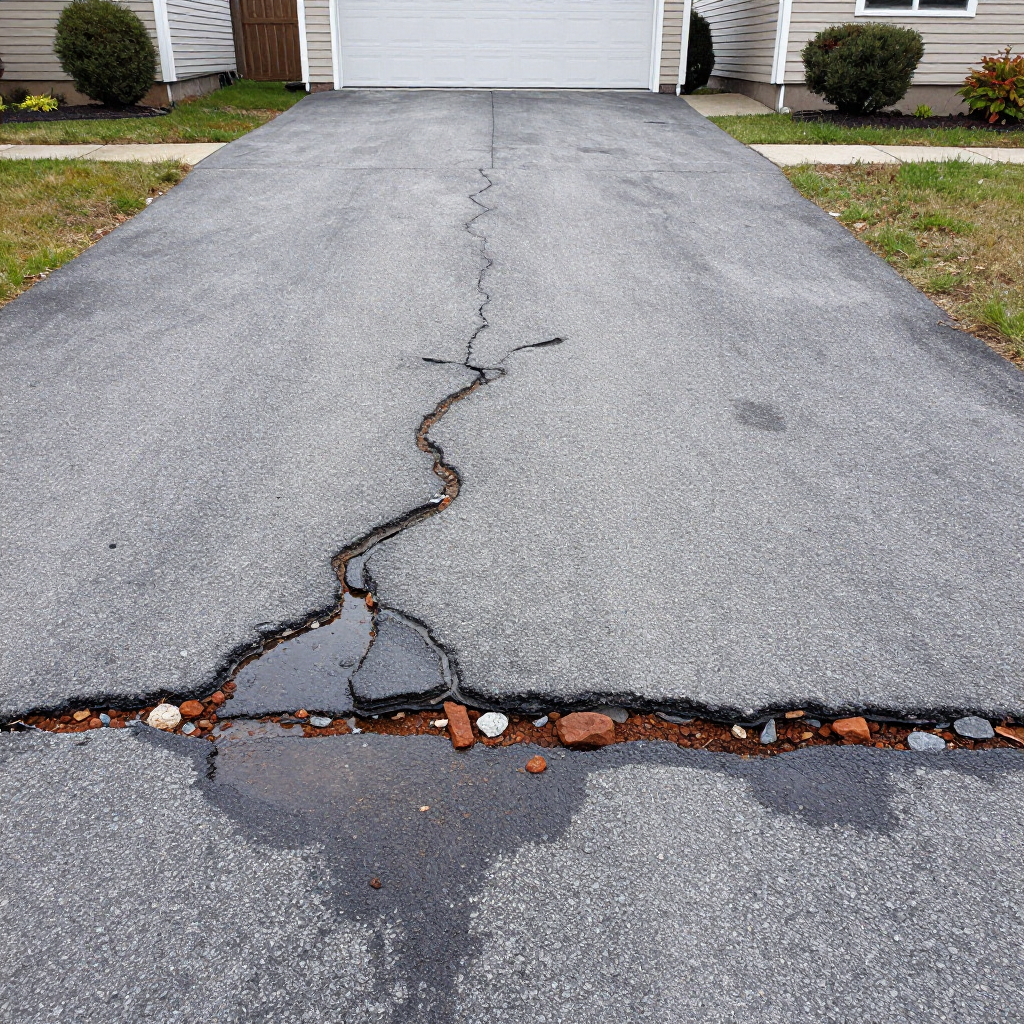
Patching can be useful, but only when the problem is surface-level. If a driveway has deep cracks, soft spots, or potholes that keep returning, patching may only cover the issue for a short time.
A patch can fail when:
- The base below is still moving
- Water is trapped underneath
- The surrounding asphalt is too weak
- The repair area was not cut and cleaned properly
- The driveway needs resurfacing or replacement instead
This is why recurring damage should be taken seriously. If the same spot keeps breaking apart, the driveway is telling you something. The issue may be below the surface, and adding more patch material will not stop the movement.
A reliable contractor should explain whether patching is worth doing or whether it would waste money. Honest advice matters because the cheapest short-term fix can become the more expensive choice if it keeps failing.
Mistake 5: Leaving Driveway Edges Unsupported
Driveway edges are easy to overlook, but they often show the first signs of weakness. The sides of the driveway carry pressure when tires pass near the edge. Without proper support, the asphalt or pavers can crack, crumble, or spread outward.
Weak edges can come from poor base preparation, thin surface material, heavy vehicles, or soil that drops away from the driveway. Once the edge starts breaking, water can enter from the side and damage more of the surface.
Clean, stable edging helps hold the driveway together. Depending on the design, this may include compacted base material along the sides, proper grading near the lawn, or a defined border that prevents movement.
Edges are not just a finishing detail. They help protect the shape and strength of the driveway.
Mistake 6: Skipping Maintenance After Installation
Even a well-paved driveway needs maintenance. Weather, sun exposure, water, snow removal, and daily vehicle traffic all wear down the surface over time.
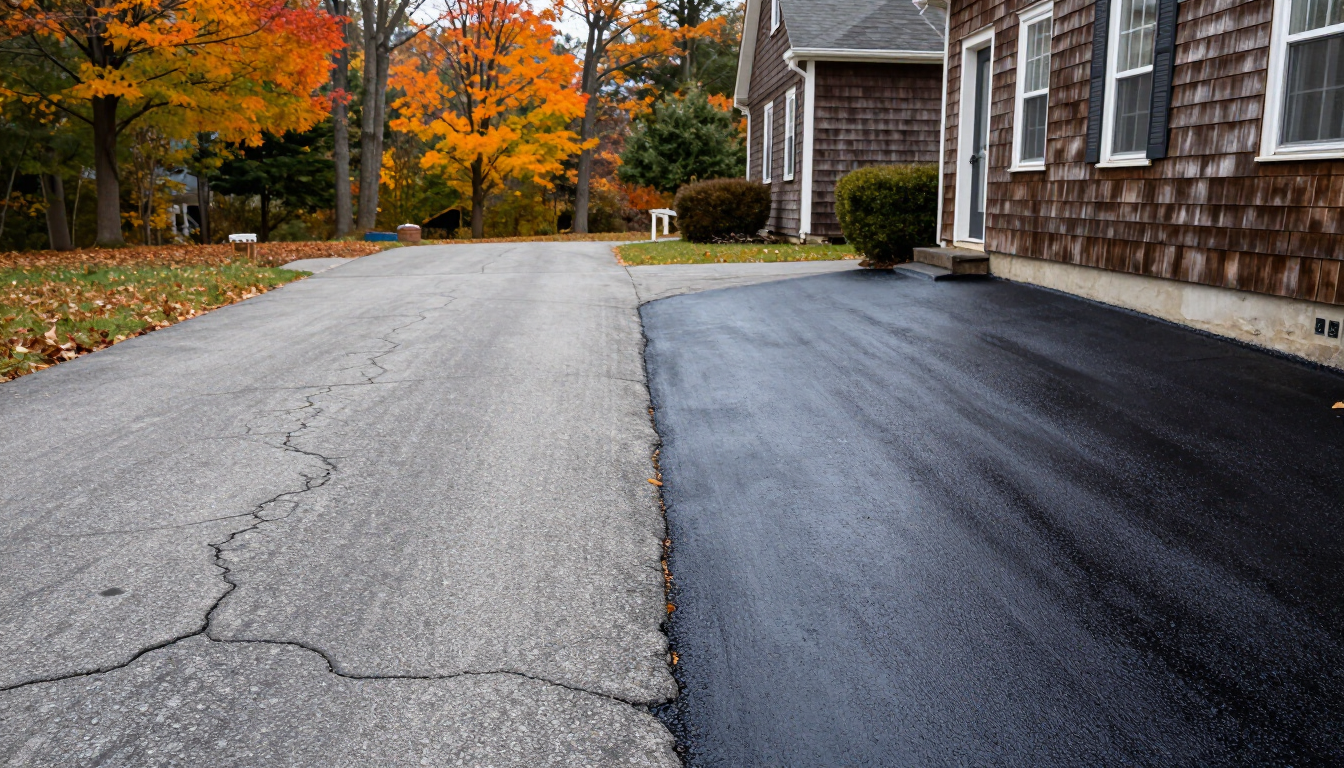
Skipping maintenance can allow small issues to become larger repairs. Cracks should be filled before water gets into the base. Asphalt surfaces may need sealcoating when the surface becomes dry or faded. Paver driveways may need joint care, cleaning, and resetting if sections shift.
Good maintenance habits include:
- Cleaning debris from the surface
- Filling cracks early
- Watching for drainage changes
- Avoiding harsh snow removal tools
- Sealing asphalt when needed
- Calling for repairs before damage spreads
Maintenance does not replace quality installation, but it helps protect the investment after the work is done.
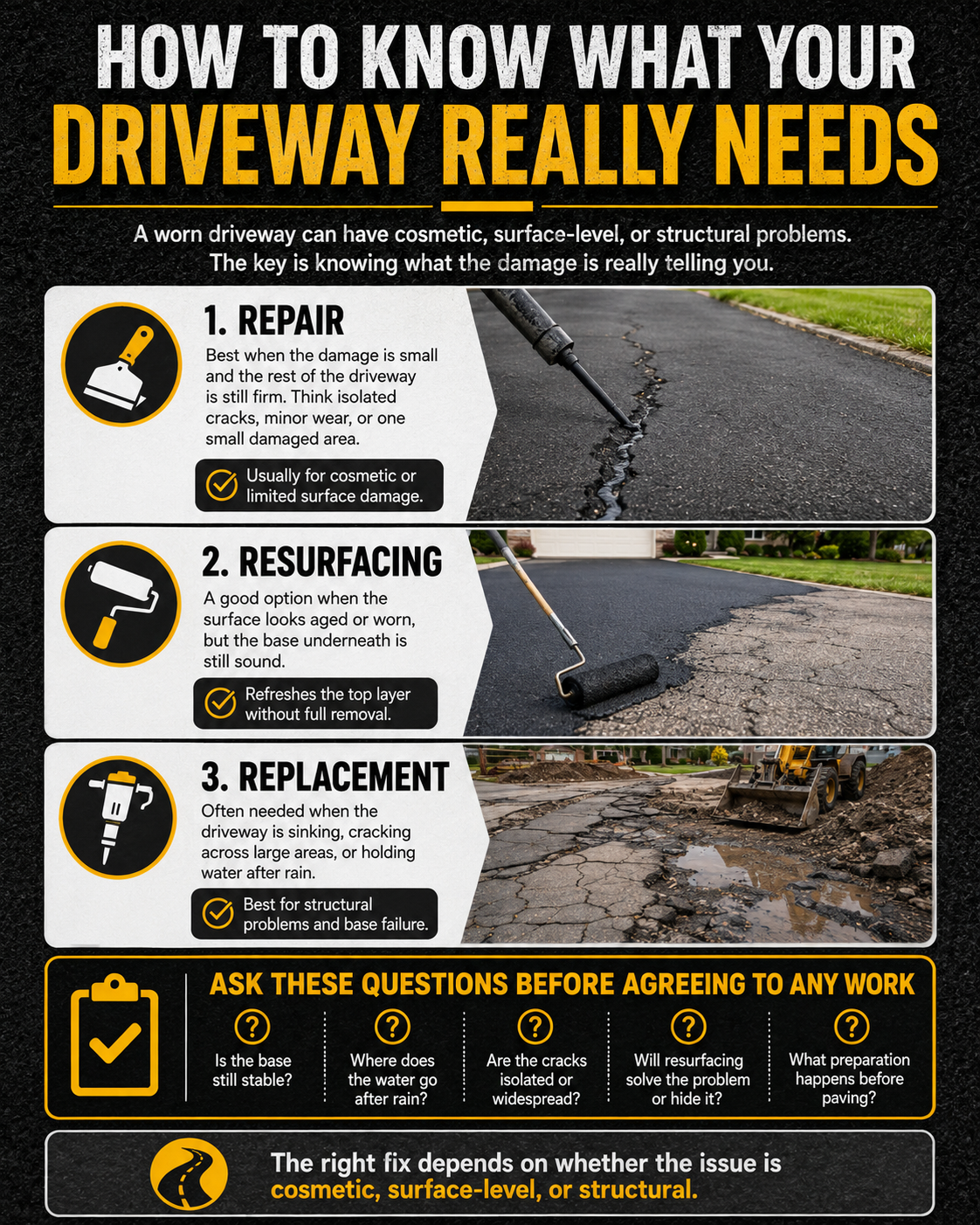
How to Know What Your Driveway Really Needs
A driveway can look worn for many reasons. The key is figuring out whether the problem is cosmetic, surface-level, or structural.
You may only need repair if the damage is small and the rest of the driveway is firm. You may need resurfacing if the surface is aged but the base is still sound. You may need replacement if the driveway is sinking, cracking across large areas, or holding water.
Before agreeing to any work, ask these questions:
- Is the base still stable?
- Where does the water go after rain?
- Are the cracks isolated or widespread?
- Will resurfacing solve the problem or hide it?
- What preparation happens before paving?
The answers can help you avoid paying for work that does not match the driveway’s real condition.
Build It Right Before Problems Begin
Driveway paving is not just about creating a smooth surface. It is about building a structure that can handle vehicles, weather, drainage, and years of regular use.
The best results start with proper excavation, base preparation, grading, material choice, and compaction. When those steps are done correctly, the finished driveway has a much better chance of staying level, strong, and easier to maintain.
If your current driveway is cracked, uneven, or holding water, do not assume patching is the only option. A site inspection can help you understand whether repair, resurfacing, or replacement makes the most sense.
Call Stonerock Paving & Masonry today to schedule a free driveway paving estimate and get clear advice before the damage gets worse.
What is the most common driveway paving mistake?
The most common mistake is poor base preparation. If the base is too shallow, uneven, or poorly compacted, the driveway can crack, sink, or shift. A smooth surface will not last without strong support underneath and the right drainage plan.
Is driveway resurfacing always better than replacement?
Not always. Resurfacing works when the base is still strong and the damage is mostly on the surface. If the driveway has sinking, drainage problems, or widespread cracks, replacement is usually the better long-term option because the base needs correction.
Why does water keep pooling on my driveway?
Water usually pools because the driveway was not graded correctly or has settled over time. Standing water can weaken the surface and base, especially during colder weather. The drainage issue should be corrected before adding new paving material.
Can a cracked driveway still be repaired?
Yes, small cracks can often be filled if the surrounding surface is stable. Wide cracks, repeated cracking, or cracks with sinking may point to base failure. In those cases, repair alone may not hold properly or solve the deeper issue.
How do I make a new driveway last longer?
Start with proper base preparation, grading, and quality installation. After paving, keep the surface clean, fill cracks early, manage drainage, and seal asphalt when needed. Good installation and regular maintenance work together to extend the life of the driveway properly.
Our Recent Articles