How Summer Heat Affects Asphalt Driveway in Long Island
Long Island summers can be tough on asphalt driveways. The surface may look solid at the start of June, but heat, direct sun, parked vehicles, and older cracks can quickly show where the driveway is starting to weaken.
For many homeowners, the first signs are small. A soft patch near the garage. A crack that spreads after a hot week. A low area that holds water after a summer storm. These problems can seem minor, but they often point to issues below the surface.
Understanding how asphalt driveway summer heat Long Island conditions affect your surface can help you decide when to repair, resurface, or replace your driveway before the damage becomes harder to manage.
Why Asphalt Reacts to Summer Heat
Asphalt is made to handle traffic, weight, and changing weather, but it still reacts to heat. When the surface gets hot, the binder inside the asphalt can soften slightly. This does not mean the driveway is failing right away. It means the surface becomes more vulnerable when pressure is added.
That pressure often comes from:
- Parked cars sitting in the same spot
- Heavy trucks or delivery vehicles
- Turning tyres while the car is not moving
- Outdoor bins, trailers, or equipment
- Weak areas already affected by age or drainage
In June and through the rest of summer, the driveway may expand during hot days and contract when temperatures cool at night. This movement can make existing cracks open wider. Once that happens, water can enter the surface and start affecting the base underneath.
A strong driveway should handle normal summer use. When heat starts creating soft spots, dips, or rough patches, it is usually a sign that the driveway needs attention.
Asphalt Driveway Summer Heat Long Island Problems to Watch For
The target keyword asphalt driveway summer heat Long Island fits the kind of issue many homeowners see during warmer months. The climate brings heat, humidity, rain, and regular vehicle use together. That mix can expose problems that stayed hidden in cooler weather.
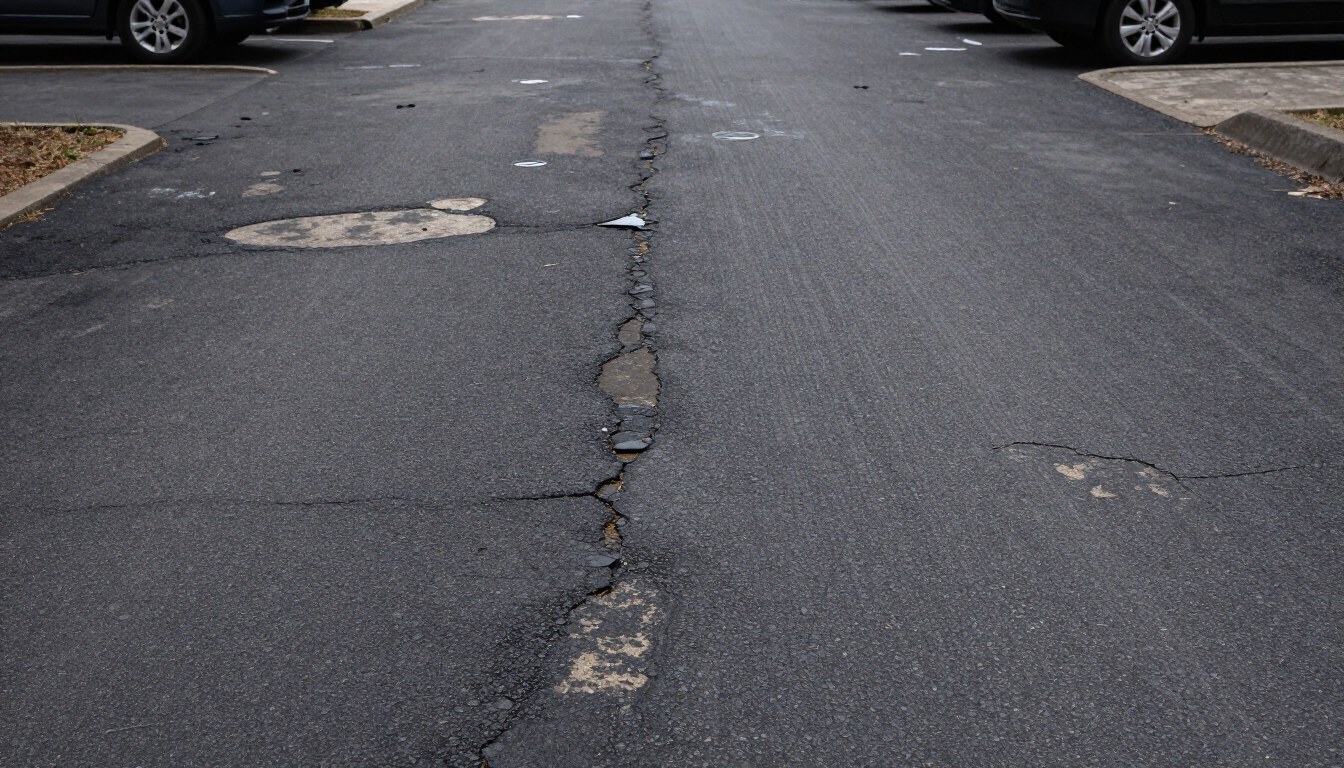
Some common signs include:
- Soft Or Sticky Areas
If the driveway feels soft underfoot or leaves marks from shoes, the surface may be affected by heat and age. This can happen more often in areas with direct sun. - Tyre Marks And Surface Scuffing
Turning wheels on hot asphalt can leave scuffs or marks. This is especially common on newer asphalt that still needs time to fully cure. - Cracks That Spread Quickly
Small cracks can widen in summer because of heat movement, water entry, and vehicle pressure. - Low Spots And Dips
Dips may show that the base underneath the asphalt has weakened. Heat makes the surface more flexible, which can make these spots easier to notice. - Loose Edges
Driveway edges without strong support can crumble faster when heat and vehicle weight are involved.
Spotting these problems early gives you more options. A small repair may be enough in some cases. A driveway with deeper base issues may need more than patching.
Why Parked Cars Can Leave Marks in Summer
Many homeowners notice tyre marks on their driveway after a hot day. This can happen when vehicles sit for long periods, especially in the same place each day.
The weight of the car presses down on the warm asphalt. If the surface is older, thin, or poorly compacted, that pressure can create marks or slight depressions. Turning the steering wheel while the car is still can also scrape the surface.
This is common near:
- Garage entrances
- Driveway turning areas
- Parking spaces used every day
- Narrow driveways where cars need to manoeuvre often
- Areas where heavier vehicles stop
New asphalt can also be sensitive in summer. Fresh asphalt needs time to cure fully. During that period, homeowners should avoid sharp turns, heavy loads, and parking in the exact same spot every day where possible.
A few light marks may settle over time, but deep ruts or repeated sinking should be checked. They may point to a weak base, poor drainage, or asphalt that has reached the end of its useful life.
How Heat Makes Existing Cracks Worse
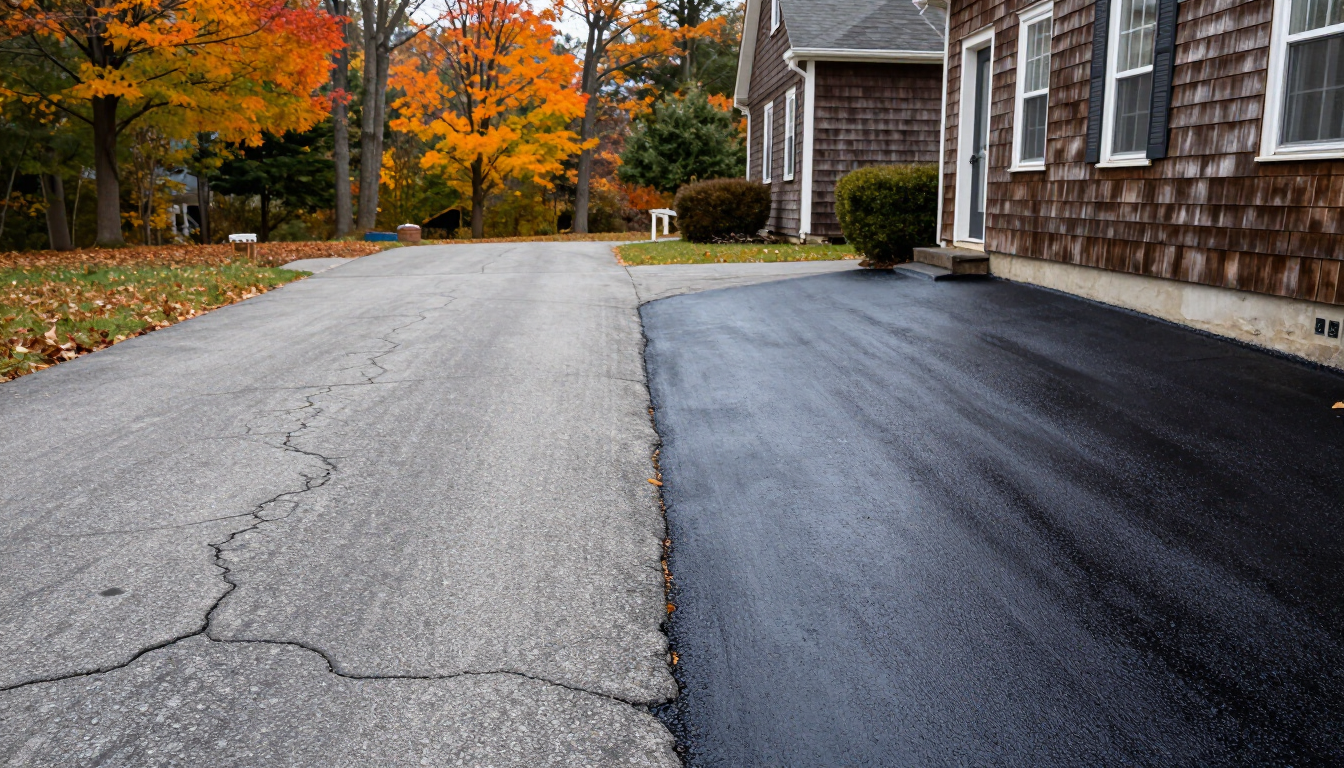
Cracks are one of the clearest signs that a driveway needs care. Summer heat does not create every crack, but it can make existing cracks worse.
During hot weather, asphalt expands. When the temperature drops at night, it contracts. This daily movement puts stress on weak areas. If the driveway already has small cracks from winter, water, or age, those cracks can widen.
Once cracks open, rainwater can enter. Long Island summer storms can be heavy, and water that reaches the base can lead to soft ground, shifting, and sinking. Over time, this can turn a surface crack into a larger repair issue.
Cracks should be taken seriously when they are:
- Spreading across large sections
- Connected to low areas
- Wider than a thin hairline
- Near the driveway edge
- Returning after previous patching
Crack filling may help when the driveway is still in fair condition. If cracks are widespread, resurfacing or replacement may give a better long-term result.
The Role of Drainage in Summer Driveway Damage
Heat is only part of the problem. Drainage also matters. A driveway that holds water after rain can break down faster, especially when that water enters cracks or collects near edges.
Standing water may appear after summer storms or after regular garden watering. If the driveway does not have the right slope, water can sit in low areas. Over time, this weakens the surface and the base below.
Poor drainage can show up as:
- Puddles that stay after rain
- Green growth near edges
- Cracks around low spots
- Soft areas near the bottom of a slope
- Water running toward the garage or house
A good asphalt driveway should move water away from the home and off the surface. This depends on proper grading, base preparation, and edge support.
When a driveway keeps holding water, patching the surface may only hide the issue for a short time. The layout and levels may need to be corrected before a new surface is installed.
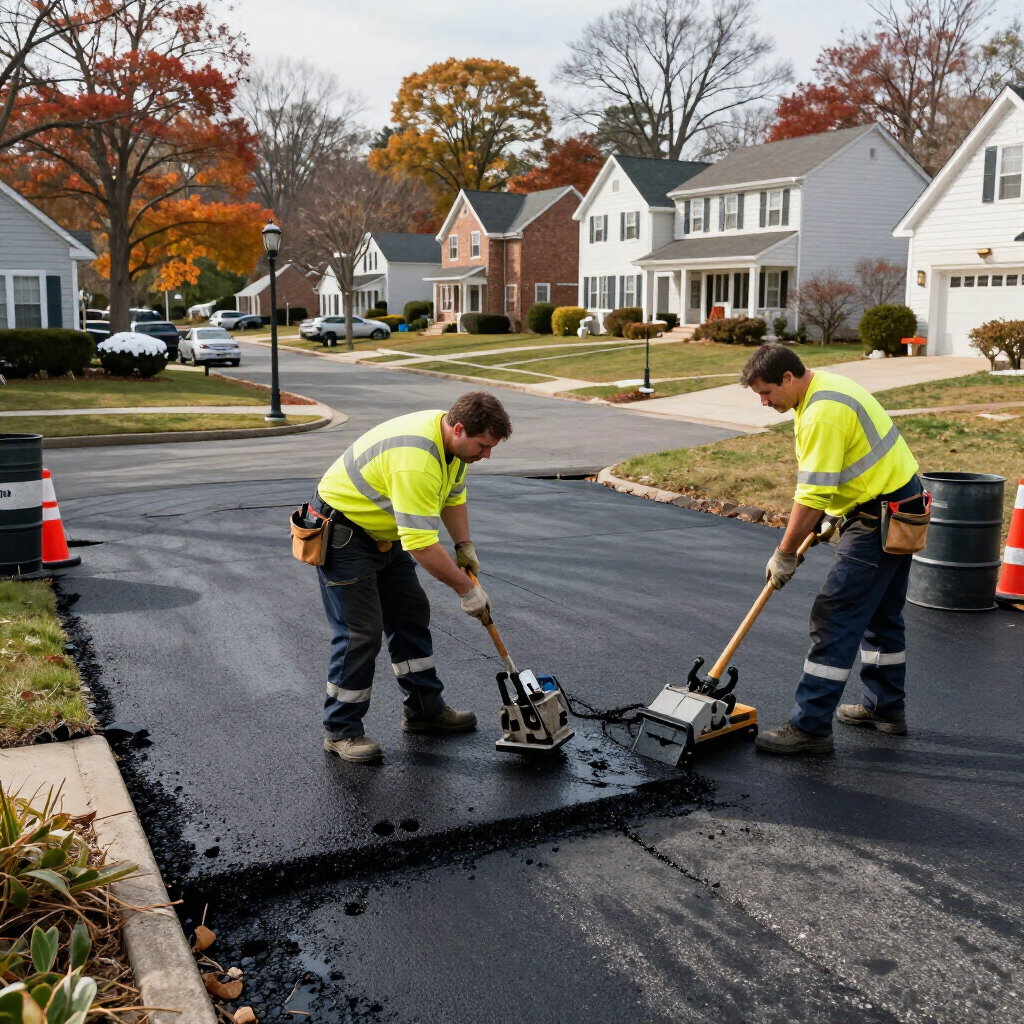
How Homeowners Can Protect Asphalt in Summer
A few habits can help reduce heat-related driveway wear during summer.
Try to avoid turning the steering wheel while the car is stationary. Move slightly before turning to reduce surface scuffing. If the asphalt is new, avoid parking heavy vehicles or trailers on it during the early curing period.
It also helps to keep the driveway clean. Leaves, soil, and debris can trap moisture along edges and cracks. After heavy rain, check where the water sits. These spots can tell you where future damage may start.
Homeowners should also watch for new cracks, rough areas, and loose edges during June and July. Early attention can prevent small issues from turning into bigger repairs before autumn.
Make the Right Call Before Summer Damage Spreads
For Long Island homeowners, the best step is to check the driveway before the damage spreads. Some surfaces may only need repairs. Others may be ready for resurfacing or full replacement.
Stonerock Paving & Masonry can inspect your asphalt driveway, explain what is causing the problem, and recommend the right option for your property.
If your driveway is showing signs of summer wear, contact Stonerock today to schedule a quote.
How does summer heat damage asphalt driveways?
Summer heat can soften the asphalt surface, making it more vulnerable to tyre marks, scuffing, cracks, and sinking. If the driveway already has weak areas, heat and vehicle weight can make the damage show faster.
Is it normal for asphalt to feel soft in hot weather?
A slight change in surface feel can happen during very hot weather, especially with newer asphalt. Deep softness, sticky areas, or visible sinking may point to poor compaction, age, drainage problems, or a weak base.
Can I sealcoat my driveway during summer?
Yes, summer can be a suitable time for sealcoating when the driveway is in good condition. Sealcoating helps protect the surface, but it will not fix deep cracks, drainage issues, soft spots, or base failure.
When should I replace my asphalt driveway instead of repairing it?
Replacement may be better when the driveway has widespread cracks, sinking, poor drainage, crumbling edges, or repairs that keep failing. These signs often mean the base has weakened and surface patching will not last.
How can I prevent tyre marks on a new asphalt driveway?
Avoid sharp turns, heavy parked vehicles, and placing trailers or stands in one spot during the early curing period. Try to keep vehicles moving slightly when turning the wheels, especially during hot Long Island summer days.
Our Recent Articles