Asphalt vs Concrete for Farmingville Driveways: Cost and Lifespan Guide
Why Driveway Material Matters on Long Island
Before comparing asphalt and concrete, it helps to understand why climate matters so much for driveway performance.
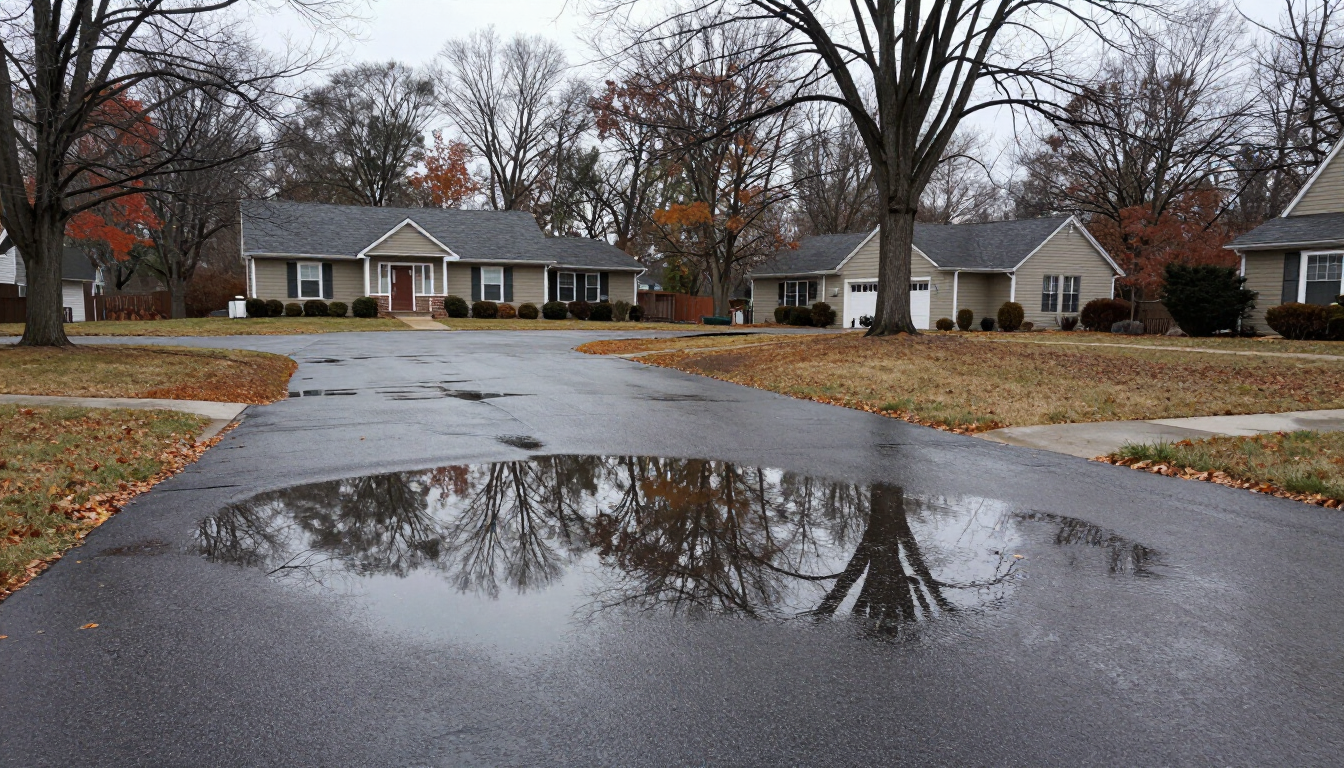
Farmingville experiences cold winters, frequent freeze-thaw cycles, snow removal, and occasional heavy rainfall. These conditions cause pavement to expand and contract repeatedly. When driveway materials cannot flex or drain properly, cracks form and surface damage appears earlier than expected.
Local contractors consider several factors when recommending driveway materials:
- Freeze-thaw durability
- Drainage and base preparation
- Traffic load and vehicle weight
- Installation cost
- Maintenance needs over time
A driveway that performs well in Farmingville must handle these stresses year after year.
Asphalt Driveways: Cost-Effective and Flexible
Asphalt is the most common driveway material across Long Island. Its flexibility allows it to tolerate temperature changes and ground movement better than rigid materials.
Average Asphalt Driveway Cost in Farmingville
For residential driveways in Suffolk County, asphalt typically costs between $5 and $9 per square foot depending on:
- Driveway size
- Excavation needs
- Base preparation
- Asphalt thickness
- Drainage work
For a standard two-car driveway, homeowners usually spend $4,000 to $8,000.
Because installation is faster and materials cost less, asphalt remains the budget-friendly option for most households. Many homeowners comparing driveway materials eventually consider asphalt paving in Farmingville because it performs well in Long Island’s freeze-thaw conditions and remains one of the most practical driveway options locally.
Lifespan of Asphalt Driveways
A properly installed asphalt driveway usually lasts 15 to 25 years in Long Island conditions.
Longevity depends heavily on:
- Base preparation
- Asphalt thickness
- Proper drainage
- Routine sealcoating
Without maintenance, oxidation from sun exposure and water penetration can shorten its life.
Advantages of Asphalt
Homeowners often choose asphalt for several practical reasons:
- Lower installation cost
- Faster installation time
- Better performance in freeze-thaw climates
- Easier and cheaper repairs
- Snow melts faster on dark surfaces
The dark surface absorbs sunlight, which helps melt ice and snow slightly faster during winter.
Limitations of Asphalt
Asphalt also has a few trade-offs to consider.
- Requires sealcoating every few years
- Surface can soften during extreme heat
- Oil or fuel stains may appear
- Slightly shorter lifespan than concrete
For many homeowners, these drawbacks are manageable because repairs and resurfacing remain relatively affordable.
Concrete Driveways: Durable and Long-Lasting
Concrete offers a different set of benefits. It is known for its strength, longevity, and cleaner appearance.
While it costs more upfront, concrete can last significantly longer when installed correctly.
Average Concrete Driveway Cost in Farmingville
Concrete driveway installation usually costs between $8 and $15 per square foot in Suffolk County.
Factors affecting price include:
- Thickness of the slab
- Reinforcement materials
- Decorative finishes or stamping
- Excavation and base work
For a typical two-car driveway, homeowners often spend $7,000 to $15,000 or more. Decorative concrete designs can increase costs further.
Lifespan of Concrete Driveways
A well-built concrete driveway can last 30 to 40 years or longer. However, durability depends on proper installation practices such as:
- Reinforced base layers
- Expansion joints
- Adequate curing time
- Effective drainage
Without these elements, concrete can crack prematurely.
Advantages of Concrete
Concrete offers several strong advantages:
- Longer lifespan
- Minimal maintenance
- Brighter appearance
- Decorative options such as stamping and coloring
- Higher resistance to fuel or oil stains
For homeowners prioritizing appearance and long-term durability, concrete can be appealing.
Limitations of Concrete
Concrete has several challenges in colder climates.
- Higher installation cost
- Cracks are harder and more expensive to repair
- Freeze-thaw cycles may cause surface scaling
- Snow and ice melt slower on lighter surfaces
Concrete does not flex like asphalt, which means ground movement or frost heave can cause visible cracking over time.
Asphalt vs Concrete Driveways: Key Differences
The following table highlights the main differences between the two materials.
| Feature | Asphalt | Concrete |
|---|---|---|
| Average Cost | $5–$9 per sq ft | $8–$15 per sq ft |
| Lifespan | 15–25 years | 30–40 years |
| Installation Time | 1–2 days | Several days plus curing |
| Maintenance | Sealcoating every few years | Minimal maintenance |
| Repair Cost | Relatively inexpensive | More expensive |
| Winter Performance | Handles freeze-thaw well | Can crack in cold climates |
| Appearance | Dark, smooth surface | Light gray with decorative options |
Each material offers advantages depending on budget, aesthetics, and long-term goals.
Which Driveway Works Best in Farmingville?
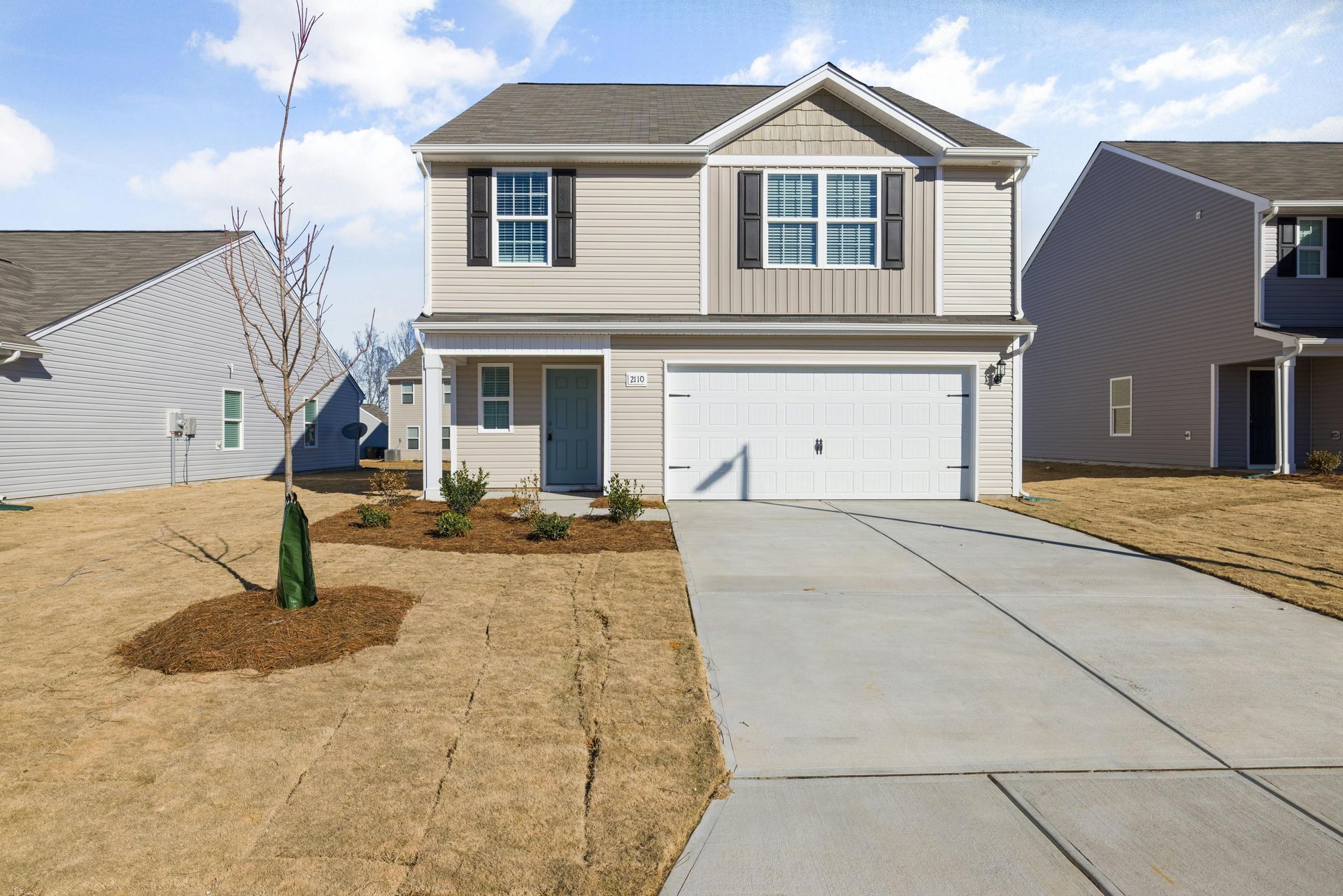
For many homes in Farmingville and across Suffolk County, asphalt is often the practical choice.
The reason comes down to climate behavior. Asphalt’s flexibility allows it to expand and contract with temperature changes without cracking as easily as rigid concrete.
Think of it like footwear. A flexible running shoe bends with every step, while a stiff leather shoe holds its shape but can crease under stress. In climates with frequent freeze-thaw cycles, flexibility helps surfaces survive longer.
That said, concrete still works well in certain situations, particularly when:
- Homeowners want decorative finishes
- Long lifespan is the priority
- The driveway receives lighter traffic
- Budget allows higher upfront cost
The right option depends on both property conditions and homeowner priorities.
Maintenance Considerations for Both Materials
Regardless of material choice, maintenance plays a major role in driveway longevity.
Asphalt Maintenance
To keep asphalt in good condition, homeowners should:
- Sealcoat every 2–3 years
- Repair cracks early
- Avoid parking heavy vehicles in one spot for long periods
- Maintain proper drainage
Sealcoating protects the surface from oxidation and water damage.
Concrete Maintenance
Concrete requires less routine care but still benefits from:
- Sealing every few years
- Cleaning oil or chemical spills quickly
- Monitoring joints and cracks
Proper drainage also prevents water from pooling and freezing on the surface.
Why Professional Installation Matters
Many driveway problems do not come from the material itself but from poor installation.
Common issues include:
- Thin asphalt layers
- Weak base preparation
- Poor grading or drainage
- Lack of expansion joints for concrete
Professional contractors evaluate soil conditions, drainage, and base thickness before installation. These details determine whether a driveway lasts decades or begins cracking within a few winters.
Companies like Stonerock Paving & Masonry, which has more than 30 years of paving and masonry experience in Suffolk County, focus heavily on proper base preparation and material quality to ensure driveways perform well in local conditions.
Final Thoughts: Asphalt or Concrete for Farmingville Driveways?
When comparing asphalt vs concrete for Farmingville driveways, the best choice depends on your priorities.
Asphalt typically offers:
- Lower upfront cost
- Better flexibility for cold climates
- Easier repairs
Concrete provides:
- Longer lifespan
- Minimal routine maintenance
- Decorative design options
For many Long Island homes, asphalt balances durability and cost effectively. Concrete can still be an excellent option for homeowners focused on long-term durability and curb appeal.
Before installing a new driveway, it is worth consulting a local paving contractor who understands Farmingville’s soil conditions, weather patterns, and drainage challenges. The right preparation and material choice can keep your driveway looking good and performing well for decades.
Get a free quote today if you have decided which driveway material you prefer.
Our Recent Articles