Common Masonry Repairs in Farmingville: Steps, Stoops, Chimneys
Brick, stone, and concrete structures can last decades in Long Island homes, yet they still face wear from weather, moisture, and shifting soil. Steps crack, stoops settle, and chimneys develop loose mortar joints.
Many homeowners in Farmingville overlook small signs at first. A hairline crack or a loose brick may seem minor, but masonry problems rarely stay small. Catching them early often prevents costly structural repairs later.
This guide explains the most common masonry repairs in Farmingville homes and how to recognize problems before they spread.
Why Masonry Repairs Are Common in Farmingville
Homes in Farmingville experience heavy seasonal stress. Winters bring freezing temperatures, while summers introduce heat, humidity, and sudden storms.
These changes affect masonry structures in several ways:
- Freeze-thaw cycles cause water trapped in cracks to expand
- Soil movement shifts foundations and stairs
- Moisture exposure weakens mortar joints
- Salt and deicing chemicals damage brick and stone surfaces
Over time, even well-built masonry begins to show wear. Experienced contractors with local knowledge often see the same repair patterns across Suffolk County properties. Companies like Stonerock Paving & Masonry bring decades of experience repairing masonry structures throughout the area.
Recognizing these common problems early keeps repairs manageable and prevents larger structural damage.
Masonry Steps Repairs in Farmingville Homes
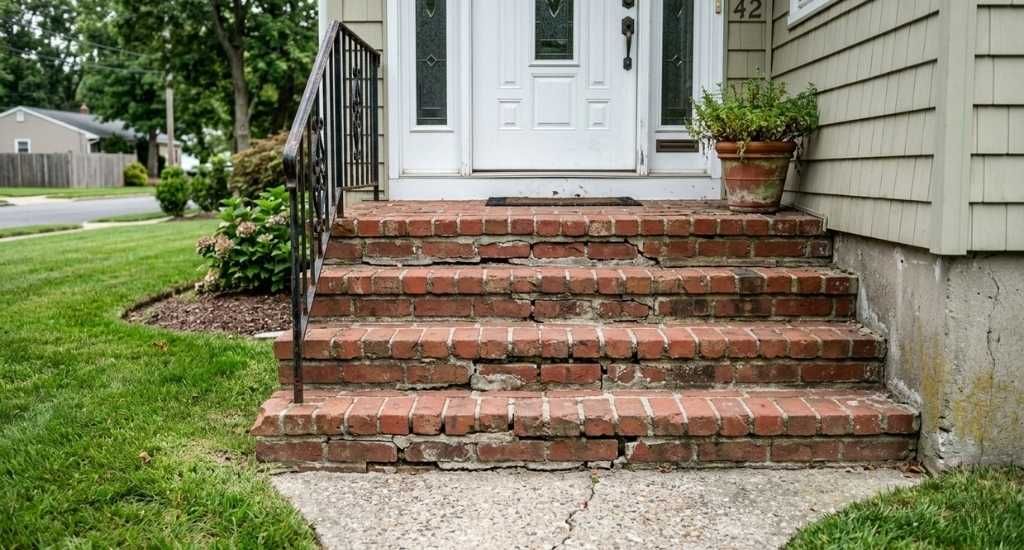
Exterior steps are one of the most frequently repaired masonry features in residential properties. They handle daily foot traffic while facing constant weather exposure.
Common Problems With Masonry Steps
Typical issues homeowners notice include:
- Cracked or chipped concrete steps
- Loose stone treads
- Settling or tilting stairs
- Worn mortar joints between bricks or stones
Steps often deteriorate from water infiltration. When moisture enters small cracks and freezes, it expands like water turning into ice in a bottle. The pressure gradually widens the crack and weakens the structure.
Signs Your Steps Need Repair
Watch for these early indicators:
- Uneven or sloping steps
- Small cracks spreading along edges
- Loose stones or bricks that move underfoot
- Crumbling mortar between joints
Ignoring these warning signs can lead to safety risks. A damaged step is similar to a loose rung on a ladder. It may hold for a while, but the risk increases every day.
Typical Repair Methods
Professional masonry repairs for steps may include:
- Repointing mortar joints to strengthen brick structures
- Replacing damaged stones or bricks
- Leveling settled steps by adjusting the base
- Resurfacing concrete treads to restore durability
These repairs extend the lifespan of existing structures while maintaining curb appeal.
Repairing Masonry Stoops
The front stoop is often the first feature people see when approaching a home. It also absorbs constant exposure to weather and foot traffic.
Why Stoops Deteriorate
Several factors cause stoop damage:
- Water penetration into concrete or brick
- Foundation settling beneath the stoop
- Freeze-thaw expansion in winter
- Age-related mortar breakdown
Older homes in Farmingville often develop stoop cracks after decades of seasonal temperature changes.
Common Stoop Problems
Homeowners frequently notice:
- Horizontal cracks along the surface
- Flaking or spalling concrete
- Loose bricks along edges
- Uneven stoop platforms
Spalling occurs when the surface layer of concrete begins to peel away. It often starts with small pits and gradually spreads across the stoop surface.
Repair Solutions
Masonry professionals address stoop damage through several approaches:
- Concrete resurfacing to restore appearance and strength
- Brick replacement and repointing
- Rebuilding damaged sections
- Installing proper drainage to prevent future moisture problems
Repairs should always address the underlying cause. Fixing the surface without correcting drainage or foundation movement often leads to repeat damage.
Chimney Masonry Repairs
Chimneys face some of the harshest conditions in a home. They sit above the roofline, exposed to wind, rain, snow, and constant temperature swings.
Because of this exposure, chimney masonry repairs are extremely common across Long Island.
Common Chimney Issues
Typical chimney problems include:
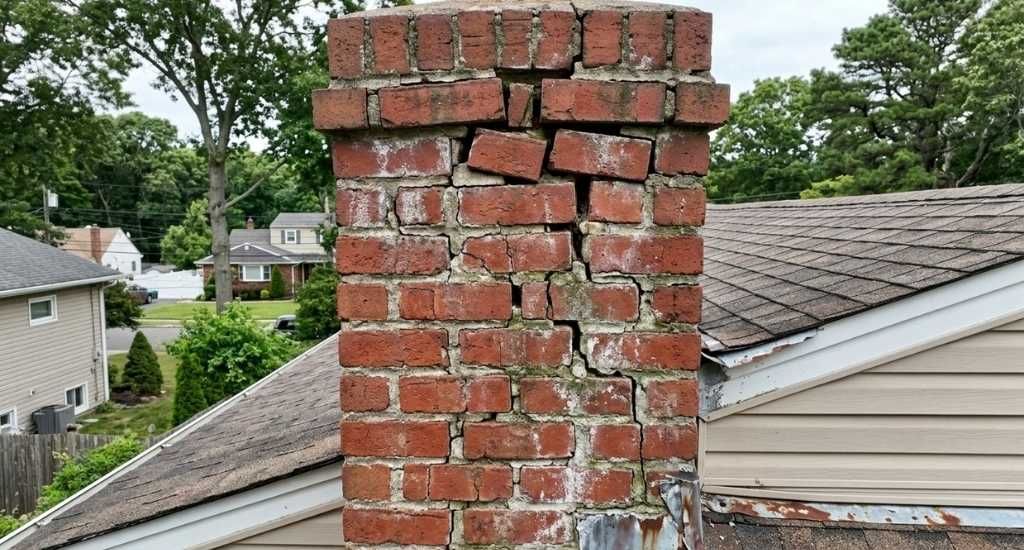
- Cracked bricks or stones
- Missing mortar joints
- Leaning chimney stacks
- Damaged chimney crowns
Mortar joints between bricks are often the first to fail. Once the mortar weakens, water begins entering the structure and accelerates deterioration.
The Role of Repointing
Repointing is one of the most common chimney repairs.
This process involves:
- Removing deteriorated mortar
- Cleaning the joints
- Applying fresh mortar to restore structural stability
- Repointing strengthens the chimney while sealing gaps where moisture enters.
Chimney Crown Damage
The chimney crown is the concrete cap at the top of the structure. Its job is to shed water away from the brickwork.
When the crown cracks, water flows directly into the masonry. Over time, the chimney may develop internal damage that requires major reconstruction.
Routine inspections help catch crown damage before it spreads through the structure.
How to Spot Masonry Problems Early
Early detection is the most effective way to reduce masonry repair costs. Small issues often develop slowly and remain manageable when addressed quickly.
Visual Signs to Watch For
Homeowners should check exterior masonry at least once per year for:
- Cracks in bricks, stones, or concrete
- Mortar joints that look recessed or powdery
- Loose masonry pieces
- Discoloration caused by water penetration
- Bulging or leaning structures
These signs usually appear months or even years before major structural damage occurs.
Water Stains and Efflorescence
White powdery deposits on brick surfaces are called efflorescence. This occurs when water moves through masonry and leaves mineral residue behind.
Efflorescence often signals hidden moisture problems. While the stain itself is harmless, the water movement behind it can weaken mortar and bricks.
Seasonal Inspection Tip
Early spring is the best time to inspect masonry in Farmingville homes. Winter freeze-thaw cycles often create new cracks or loosen mortar joints.
A quick inspection after winter can reveal problems before they worsen during summer storms.
Why Early Masonry Repairs Save Money
Masonry deterioration rarely improves on its own. Once water begins entering a structure, the damage typically spreads.
Early repairs offer several advantages:
- Lower repair costs
- Improved safety around stairs and walkways
- Protection against water damage
- Preservation of home value
For example, repointing a chimney early may cost a few hundred dollars. Waiting until bricks begin falling apart can require a full chimney rebuild.
The difference is similar to repairing a small roof leak versus replacing the entire ceiling after water damage spreads.
Why Professional Masonry Repair Matters
Masonry repairs require skill, proper materials, and structural knowledge. Small mistakes in mortar mix, brick alignment, or drainage can lead to repeat damage.
Experienced contractors understand how local weather affects masonry structures. Long Island homes require repair methods suited to freeze-thaw cycles and coastal humidity. Professional teams also ensure repairs match the existing design so the finished work blends with the home’s architecture.
Professional Masonry Contractor Services in Farmingville help homeowners restore aging brick, stone, and concrete structures while protecting their homes from long-term damage.
Protecting Your Farmingville Home With Timely Masonry Repairs
Steps, stoops, and chimneys play an important role in both safety and curb appeal. When masonry structures begin to deteriorate, small warning signs usually appear first.
Cracks, loose mortar, and water stains may seem minor at first glance, yet they often signal deeper structural stress.
Regular inspections and timely repairs help prevent expensive reconstruction. Addressing problems early keeps masonry structures strong, safe, and visually appealing for decades.
If you notice cracks in your steps, shifting stoops, or worn chimney mortar, professional masonry repair can restore the structure and prevent further damage.
Contact Stonerock today to learn more about masonry contractor services and schedule a consultation for your property.
Experienced local contractors can evaluate the problem, recommend the correct repair method, and help protect your Farmingville home for the long term.
Our Recent Articles