Boost Curb Appeal in Farmingville With Stonework and Brick Features
Why Masonry Makes a Visible Difference in Curb Appeal
Curb appeal is about more than appearance. It reflects how well a property is designed and maintained. Masonry features help organize outdoor space while creating a strong visual frame around the home.
Stone and brick elements guide how visitors move through the property. A walkway directs the eye toward the entrance. A retaining wall shapes landscaping and adds depth to the yard. Even small brick details around garden beds or steps can change the character of a home’s exterior.
Many homes in Farmingville benefit from these upgrades because they add contrast and texture to lawns and siding. Natural materials bring visual weight to outdoor spaces. A house that once looked flat can gain dimension through layered stonework.
Stone Walkways That Guide and Welcome
Walkways are often the first feature visitors encounter. A well-built stone path provides both function and visual appeal, guiding guests from driveway or sidewalk to the front door.
Stone walkways also improve safety and accessibility. Proper grading and base preparation keep the surface stable through seasonal ground movement. This helps prevent uneven sections or sinking stones that can develop with poor installation.
Popular walkway materials include:
- Concrete pavers
- Natural bluestone
- Cobblestone accents
- Brick pavers
Each material offers a different look. Bluestone creates a clean, natural appearance that fits many Long Island homes. Brick walkways bring a classic style often seen in traditional properties.
The pattern and layout also influence curb appeal. A straight walkway feels formal, while a curved path softens the landscape and adds character.
Retaining Walls That Shape and Protect the Landscape
Retaining walls often serve a practical purpose first. Many Farmingville yards have uneven grades or sloped sections that benefit from structural support. A retaining wall holds soil in place and prevents erosion after heavy rain.
Beyond function, retaining walls can become a key design feature. Stone walls create natural terraces, allowing landscaping to be arranged in layers rather than a single flat space.
Well-designed retaining walls also create opportunities for planting beds, seating edges, or integrated steps. This adds depth and structure to outdoor spaces that might otherwise feel empty.
Durable materials commonly used for retaining walls include:
- Natural fieldstone
- Concrete block systems with stone facing
- Brick retaining walls
- Segmental retaining wall blocks
The right material depends on the height of the wall, drainage conditions, and the style of the home.

Brick Features That Add Character
Brick has remained a popular masonry material for centuries because of its durability and timeless appearance. In Farmingville homes, brick features often appear in steps, borders, entry columns, and accent walls.
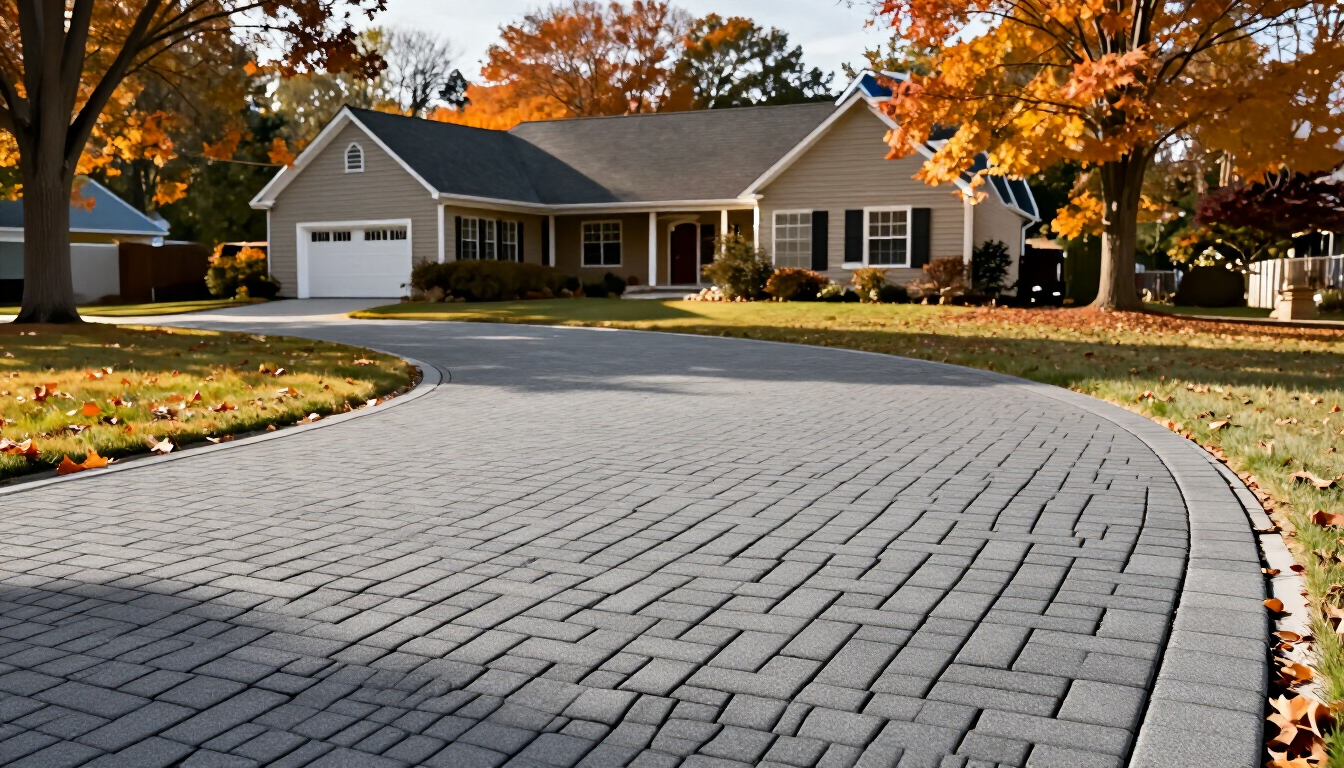
Brick works well for curb appeal because it pairs easily with other materials. A brick stairway can connect naturally to a stone walkway. A brick border can frame a paver driveway or garden bed.
These details might seem small, but they can significantly improve how a property looks from the street. Brick elements create contrast against siding, landscaping, and concrete surfaces.
When installed properly, brick features also require minimal maintenance. Occasional cleaning and joint inspection are usually enough to keep them in good condition for many years.
Materials That Hold Up to Long Island Weather
Outdoor features in Farmingville must handle significant seasonal changes. Summers bring heat and humidity, while winters introduce freezing temperatures and ice.
Stone and brick perform well under these conditions when the installation includes proper base preparation and drainage. Without those steps, even high-quality materials can shift or crack over time.
Professional masonry contractors account for soil movement, water flow, and frost depth during installation. These factors determine how the base layers are built beneath walkways, patios, and walls.
Proper drainage is especially important for retaining walls. Water buildup behind the wall can create pressure that weakens the structure. Drainage systems and gravel backfill prevent this issue.
Planning Stonework That Fits the Property
Successful masonry projects start with thoughtful design. The best results come from features that complement the home’s architecture rather than competing with it.
For example:
- A traditional colonial home often pairs well with brick walkways and symmetrical layouts.
- Contemporary homes may benefit from large-format stone or clean-lined pavers.
- Rustic landscapes work well with irregular natural stone.
Scale also matters. Oversized stone elements can overwhelm smaller homes, while delicate features might disappear in larger landscapes.
A balanced design considers the house, driveway, landscaping, and outdoor living areas as one connected space.
Why Professional Installation Matters
Stone and brick installations may look straightforward on the surface, but their durability depends on the work beneath them. The foundation layers determine whether masonry features stay stable over time.
Professional contractors prepare the site by excavating to the proper depth, installing compacted base materials, and ensuring drainage is managed correctly. This prevents common problems such as sinking walkways, leaning walls, or shifting pavers.
Proper base preparation and drainage are critical, which is why many homeowners rely on Masonry Contractor Services in Farmingville for long-lasting stone and brick installations.
Experienced masonry teams also understand local soil conditions and construction practices across Suffolk County. This knowledge helps ensure projects remain stable through Long Island’s freeze-thaw cycles.
Improve Your Farmingville Property With Lasting Masonry
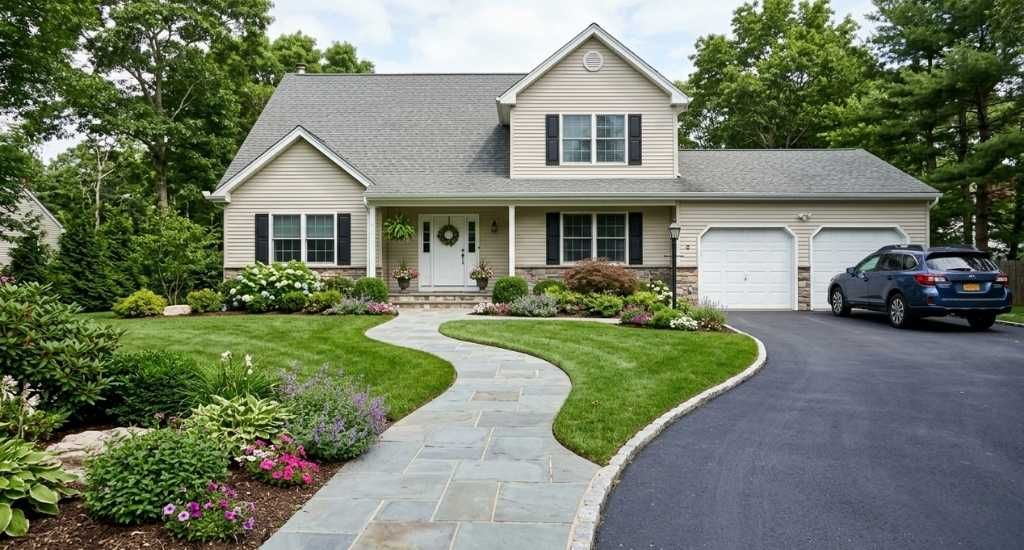
Well-designed stonework can transform the look of a property. Walkways guide visitors to the entrance, retaining walls organize the landscape, and brick accents add character that lasts for decades.
For homeowners in Farmingville, these improvements do more than improve appearance. Quality masonry increases property value and creates outdoor spaces that remain functional year after year.
Stonerock Paving & Masonry has over 30 years of experience installing walkways, retaining walls, patios, and custom stone features across Suffolk County. The team focuses on durable materials, careful preparation, and workmanship that stands up to Long Island weather.
If you are planning to improve your property’s curb appeal, a professionally designed masonry project can make a lasting difference. Contact Stonerock Paving & Masonry to discuss your ideas and explore the best options for your Farmingville home.
Our Recent Articles