How to Choose a Paving and Masonry Contractor in Farmingville
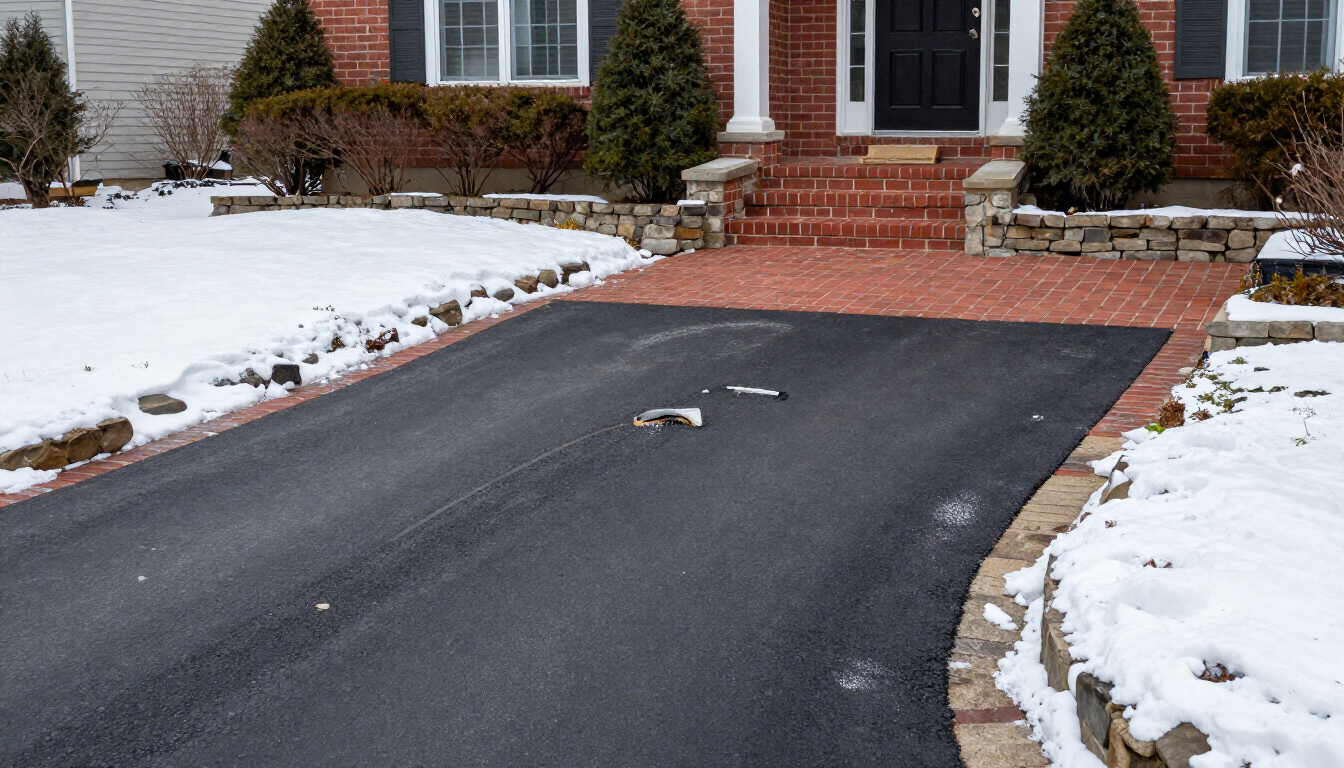
Three contractors look at the same driveway and return three quotes. One is half the price of another. Nothing in any of them explains why, and the homeowner is left choosing between numbers that appear to describe identical work.
They almost never do. The gap between a low quote and a high one usually sits in the parts of the job that get covered up before anyone sees them, and knowing where to look turns an impossible comparison into a manageable one.
Why the Same Job Produces Very Different Numbers
Price differences generally trace back to specific decisions rather than one contractor being greedy and another generous.
- Base depth. A driveway built on four inches of stone costs less than one built on ten. It also fails sooner.
- Excavation and disposal. Removing the old surface and hauling it away costs real money. Paving over it instead saves that cost and transfers the problem to you.
- Material thickness. Asphalt placed in one thin lift is cheaper than binder and top courses placed and compacted separately.
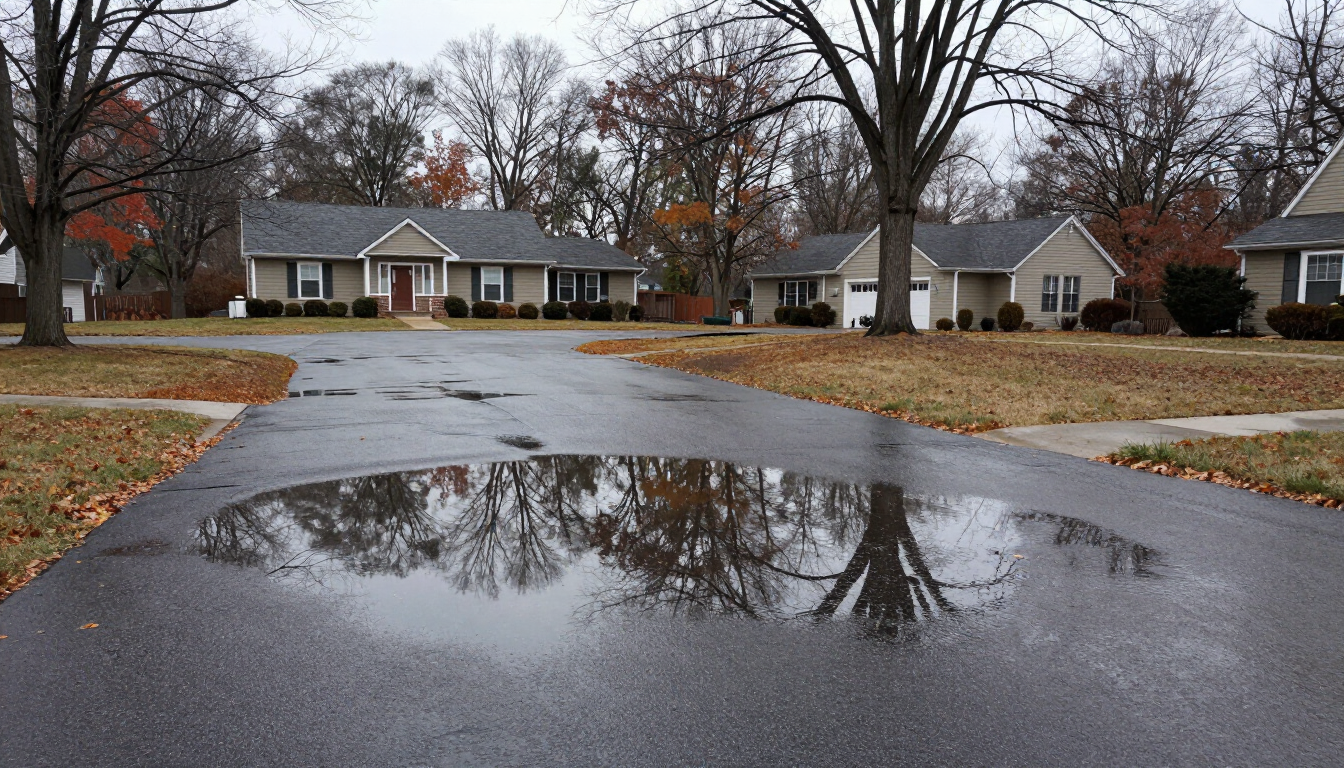
- Drainage work. Correcting pitch, installing a drain, or regrading costs more than laying a new surface over the same bad slope.
- Edge treatment. Supported, backfilled edges take time. Edges left to drop off into soil do not.
- Permits and disposal fees. These exist whether or not a quote mentions them.
- Insurance and payroll. A contractor carrying proper coverage and paying legitimate wages has costs that an uninsured operation does not.
A quote that is dramatically lower is usually describing a different job. The task is finding out which parts were left out.
Licensing on Long Island Is Local
New York does not issue a statewide home improvement contractor license, which causes genuine confusion. Licensing happens at the county level, and both counties Stonerock serves require it.
What Suffolk County Requires
Operating a home improvement business in Suffolk County without a license is against the law. Licensing runs through the county's Consumer Affairs office under the county's home improvement law, and applicants must pass a written examination and demonstrate insurance coverage before being issued one.
Suffolk County also requires that advertising for home improvement work display the contractor's license number. A contractor advertising without one is worth a second look before anything else.
A handful of East End towns require their own separate town license on top of the county credential, so work out that way can involve an additional check. Nassau County operates its own licensing through its consumer affairs office.
Verifying a License Yourself
Ask for the license number directly and verify it rather than accepting a number on a business card. Suffolk County Consumer Affairs maintains a searchable record of licensed contractors and can confirm status by phone at 631-853-4600.
There is a practical reason to care beyond legality. Suffolk County maintains a restitution fund that can compensate homeowners who have been unable to collect from a licensed contractor. That protection does not extend to work done by unlicensed operators, so hiring outside the system removes a safety net you would otherwise have.
Insurance Checks
Request a certificate of insurance showing general liability and, where the contractor has employees, workers compensation coverage. The certificate should come from the insurer rather than the contractor, and it should be current.
If someone is injured on your property working for an uninsured contractor, the exposure can land with you.
What a Complete Written Quote Contains
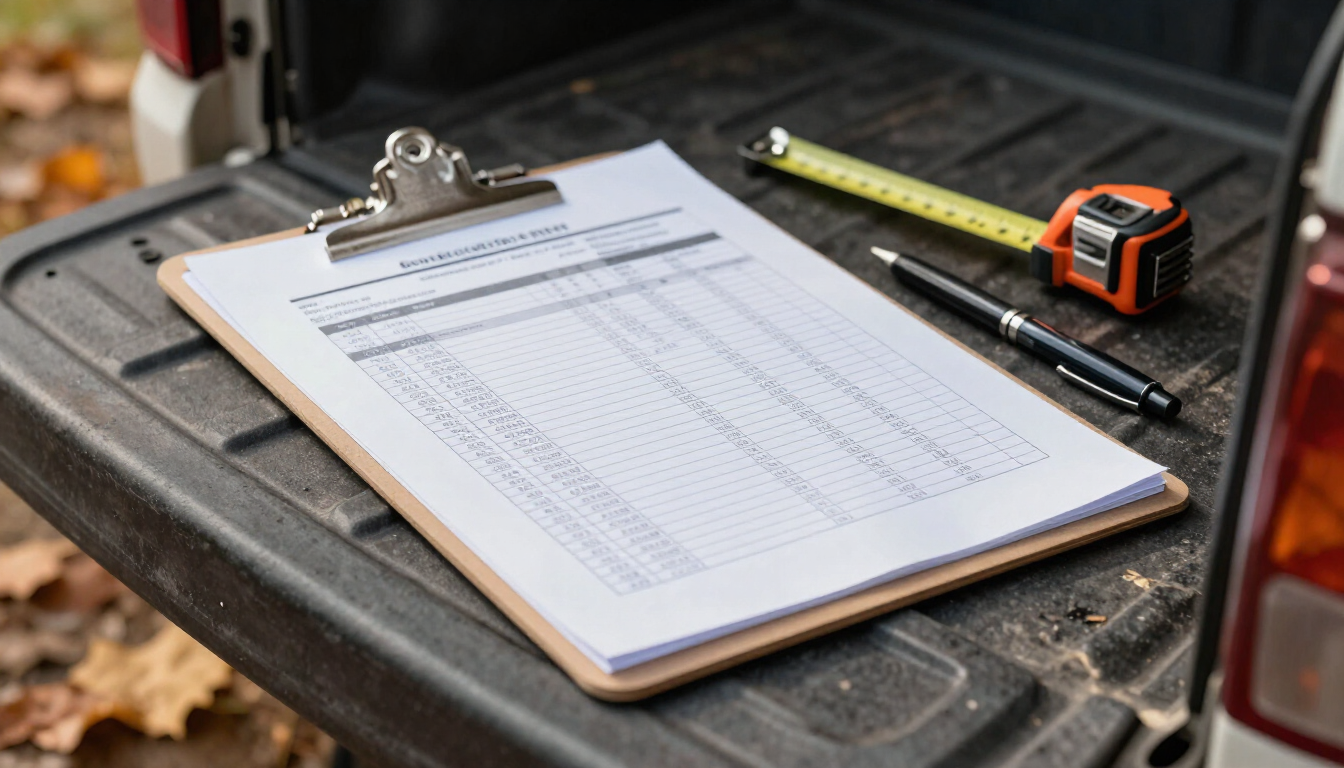
New York law and county code both require a written contract for home improvement work. A quote worth comparing goes well beyond a figure and a date.
- Scope of work in detail. What is being removed, what is being built, and the dimensions involved.
- Base depth and material specifications. Stated in inches, with the material named.
- Surface specifications. Asphalt lift thickness and compaction, or paver type, thickness, and jointing material.
- Drainage and grading. How water will move across the finished surface and where it goes.
- Edge treatment. How the perimeter will be supported or restrained.
- Disposal and site cleanup. Who removes the old material and debris.
- Permits. Who applies, and who pays.
- Timeline. Start window, expected duration, and how weather delays are handled.
- Payment schedule. Deposit amount, progress payments, and final payment terms.
- Warranty terms. What is covered, for how long, and what voids it.
A quote on a single line reading "install new driveway" with a price beside it gives you nothing to compare and nothing to enforce.
Questions That Reveal Real Experience
These separate contractors who understand the work from those who simply perform it.
- What base depth are you installing and why that depth for my property? A useful answer references your soil, drainage, and the loads the surface carries. A generic number for every job means nobody assessed anything.
- How will you handle water on this surface? Any competent contractor has an opinion about where the water goes before they discuss materials.
- How many lifts will the base be compacted in? This reveals whether compaction is being done properly or treated as one pass over a deep layer.
- What happens if you find soft ground during excavation? Honest answers describe a process and a cost approach. Evasive answers mean a change order conversation later.
- Who is actually doing the work? Find out whether the crew is in-house or subcontracted, and whether subcontractors hold their own licenses.
- Can I see a project you completed three or four years ago? New work always looks good. Work that has been through several winters is the real test.
Green Flags and Red Flags
| Worth trusting | Worth questioning | |
|---|---|---|
| Licensing | Provides the number without being pressed | Deflects, or says it is not needed for this work |
| Insurance | Certificate sent directly from the insurer | Promises to send it later |
| The quote | Itemized, with depths and materials specified | A single line and a total |
| Base depth | Explains the number and why it suits your site | Will not commit to a figure in writing |
| Deposit | Reasonable, with payments tied to progress | Large sum demanded upfront in cash |
| Timeline | Realistic window with weather contingency | Can start tomorrow, every time |
| References | Offers older projects nearby | Only recent photos with no addresses |
| Pressure | Gives you time to decide | Discount expires today |
The pressure row deserves attention. Legitimate contractors have work booked and do not need a decision this afternoon. A discount that disappears if you think it over is a sales technique rather than a price.
Checking the Work Before You Commit
Photographs are easy to borrow. Addresses are not.
Ask for projects completed several seasons ago in your area and drive past them. You are looking for edges that have held their shape, surfaces that have stayed level, and no settlement where the driveway meets the garage or the street. For masonry, check whether mortar joints are intact and whether anything has moved.
Speaking with a past customer is worth the five minutes. The question worth asking is not whether they were happy on completion day, but whether anything went wrong afterward and how the contractor responded.
Deposits and Payment Terms
There is no universal correct deposit figure, but the structure tells you something. Payments tied to milestones protect both sides. A large sum demanded before any work begins does not.
New York treats money paid by a homeowner for a home improvement project as funds held in trust for that project, which is one reason paying by check or card rather than cash matters. It creates a record.
Final payment should follow completion and your inspection, not precede it.
Ask Us the Same Questions
Stonerock Paving & Masonry has worked across Suffolk and Nassau County for more than 30 years, handling asphalt paving in Farmingville, driveway installation in Farmingville, and Farmingville masonry work along with projects throughout the surrounding hamlets.
Put every question above to us, and to whoever else you are considering. Ask about base depth, drainage, edge support, and crew. Look at completed project photos and ask to see something built a few years back rather than last month.
Call (631) 920-3618 or ask Stonerock for a written estimate that spells out exactly what the work involves.
Frequently Asked Questions
Does a paving contractor need a license in Suffolk County?
Yes. Operating a home improvement business in Suffolk County without a license is against the law. New York issues no statewide equivalent, so licensing happens at county level, and Nassau County maintains its own separate requirement.
How do I check whether a contractor is licensed?
Ask for the license number, then confirm it with Suffolk County Consumer Affairs rather than taking it at face value. The office maintains searchable records and can verify status by phone during business hours.
How large a deposit is reasonable?
No single figure applies, but payments should be tied to progress rather than collected upfront. A large cash deposit demanded before work begins is a warning sign. Paying by check or card creates a record worth having.
Should I just take the lowest quote?
Only after confirming it covers the same work. Low quotes typically reflect shallower base, skipped excavation, thinner material, or no drainage correction. Compare the specifications rather than the totals.
What belongs in the written contract?
Scope, dimensions, base depth, material specifications, drainage approach, timeline, payment schedule, and warranty terms. Written contracts are required for home improvement work, and detail is what makes one enforceable later.
Our Recent Articles