Driveway Paving in Farmingville: What to Expect Before You Start
A driveway is one of the most used surfaces around any home. It carries vehicle weight daily, deals with changing weather conditions, and plays a big role in how your property looks from the outside.
For homeowners in Farmingville, driveway paving is not just about choosing a material. It is about building a surface that holds up over time, drains properly, and does not require constant repairs.
If you are planning a project, understanding the process early helps you avoid common issues and make better decisions before work begins.
Why Driveway Paving Quality Matters More Than You Think
A driveway might look solid on the surface, but its long-term performance depends on what sits underneath. Many problems that show up later are not caused by the material itself, but by poor planning during installation.
A properly built driveway should:
- Stay level under daily vehicle use
- Drain water away from the surface
- Resist cracking and shifting
- Maintain its structure through seasonal changes
When these factors are ignored, the surface can begin to fail within a few years. What starts as minor cracking or pooling water often turns into more expensive repairs.
Driveway Paving Farmingville: Choosing the Right Material
Material choice affects both performance and maintenance. The best option depends on how the driveway will be used and the type of finish you want.
Asphalt Driveways
Asphalt remains one of the most common choices for residential driveways.
- Flexible and less prone to cracking in colder conditions
- Smooth, clean appearance
- More affordable compared to other materials
It does require sealing over time, but it is generally reliable for daily use.
Concrete Driveways
Concrete offers a stronger, more rigid surface.
- Handles heavy loads well
- Low maintenance once installed
- Can be finished in different styles
The downside is that repairs are less flexible, and cracks can be more noticeable if they occur.
Paver Driveways
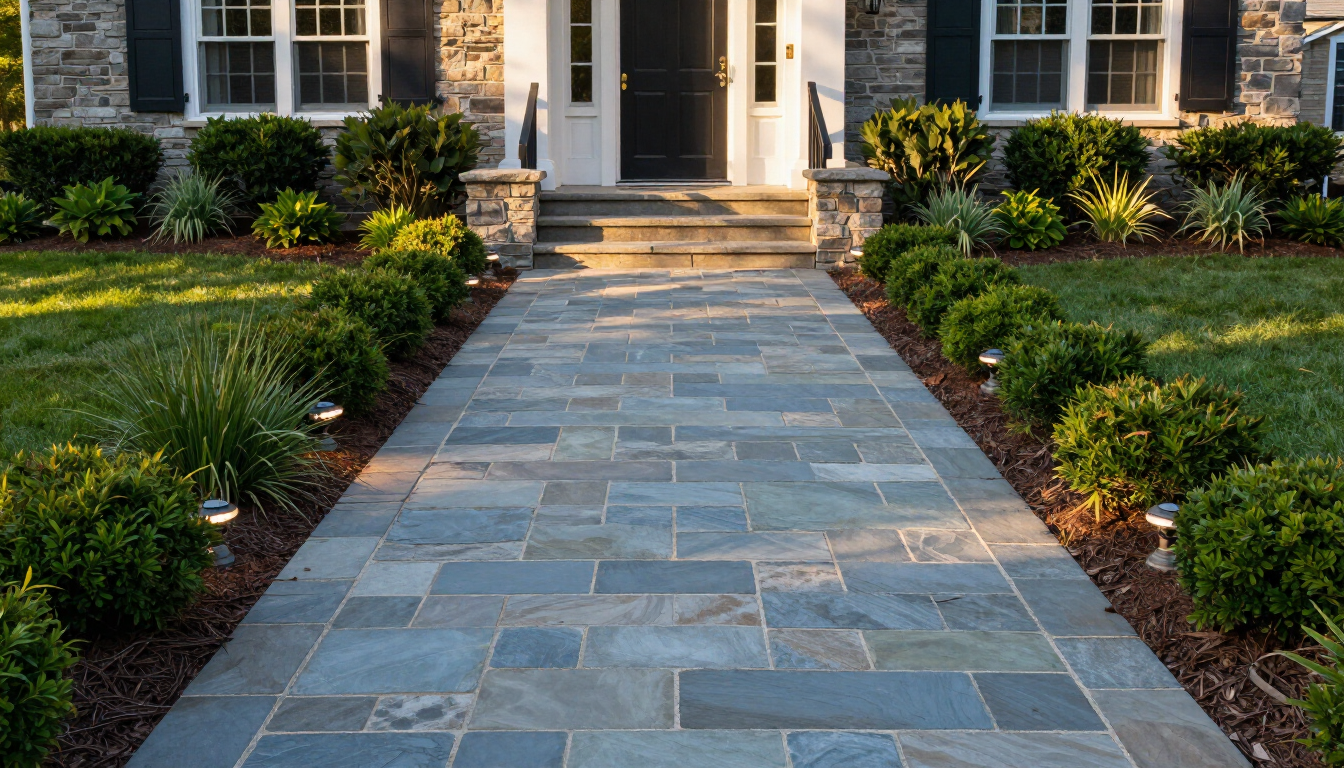
Pavers are often chosen for appearance and flexibility.
- Individual sections can be replaced
- Wide range of styles and layouts
- Allows better drainage when installed properly
They tend to cost more upfront but can be easier to maintain long-term.
Ground Preparation: The Part Most Homeowners Never See
This is where many driveway projects succeed or fail.
Before any surface is installed, the area needs to be excavated and built up with a proper foundation. Skipping or rushing this stage leads to long-term issues.
The process includes:
- Removing the existing surface
- Excavating to the correct depth
- Installing a compacted sub-base
- Setting proper grading for drainage
Without this structure, the driveway may begin to sink or shift over time. These issues are rarely immediate, which is why they are often overlooked during installation.
Drainage Planning and Why It Cannot Be Ignored
Water is one of the biggest causes of driveway damage. If it is not directed away properly, it can weaken the structure beneath the surface.
A well-designed driveway should:
- Prevent standing water
- Guide water away from the home
- Reduce pressure on the base layers
Poor drainage can lead to:
- Cracking and surface breakdown
- Erosion beneath the driveway
- Ice buildup during colder months
This is why drainage should always be part of the initial design, not something added later.
What to Expect During a Driveway Installation
Knowing the steps helps you understand where time, cost, and quality come from. Each stage builds on the previous one, so skipping or rushing any part can affect the final result.
Step 1: Site Preparation
The existing driveway, soil, or surface is removed to make way for the new structure. Excavation is carried out to the correct depth based on the material and expected load.
This stage also reveals any underlying issues, such as poor soil conditions or hidden debris. Addressing these early prevents problems later. Proper preparation ensures the new driveway starts on a clean, stable base.
Step 2: Sub-Base Installation
A strong sub-base is installed and compacted to create a stable foundation. This layer supports the weight of vehicles and prevents movement over time.
Materials such as crushed stone are typically used and compacted in layers to achieve the right density. If this stage is not done properly, the driveway can begin to sink, shift, or crack even if the surface material is high quality.
Step 3: Surface Installation
The chosen material is installed with attention to detail and alignment. Whether it is asphalt, concrete, or pavers, this stage defines the final appearance and usability of the driveway.
Accuracy matters here. Proper leveling, spacing, and finishing ensure the surface looks clean and performs as expected. Any mistakes at this stage are usually visible and harder to correct later.
Step 4: Finishing and Curing
The surface is carefully finished to ensure a smooth, even result that follows the planned layout and drainage. Edges are secured, joints are set where required, and the entire surface is checked for consistency.
After installation, the driveway must be left to cure or settle properly. This stage allows the material to gain strength and stability.
- Asphalt typically sets within 24 to 48 hours but continues to harden over time
- Concrete may take up to a week before regular use and longer to fully cure
- Pavers can often be used sooner once compaction and jointing are complete
Using the driveway too early can lead to marks, shifting, or reduced durability. Allowing proper curing time ensures the surface performs well under daily use and lasts as intended.
How Much Does Driveway Paving Cost in Farmingville?
Costs vary depending on size, material, and site conditions. While exact pricing requires a site assessment, general factors include:
- Type of material chosen
- Size and layout of the driveway
- Amount of excavation required
- Drainage and groundwork complexity
Asphalt is usually the most cost-effective option, while pavers and decorative concrete sit at a higher price point.
The cheapest option is not always the best long-term decision. A poorly built driveway often costs more in repairs later.

Common Driveway Problems
Many driveway issues do not appear immediately after installation. They develop over time and are often linked to decisions made during the early stages of the project. What looks like a surface problem is usually rooted in poor groundwork, weak planning, or shortcuts taken during installation.
This is why working with an experienced contractor like Stonerock Paving & Masonry makes a difference. Proper planning from the start helps prevent these problems before they begin.
Cracking
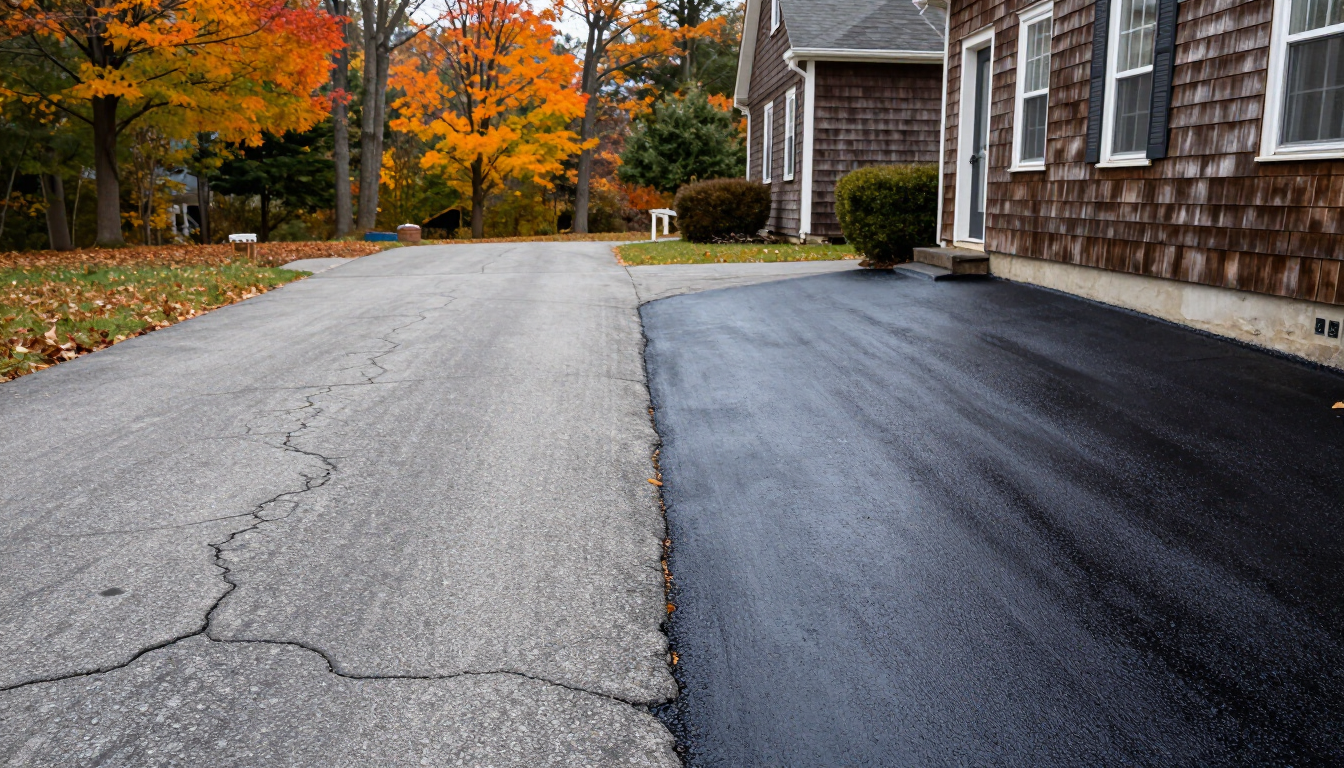
Cracks are one of the most common driveway problems, but they rarely happen without a reason. In most cases, cracking is caused by a weak or poorly prepared foundation. If the sub-base is not compacted properly, the surface above it has no stable support.
Temperature changes can also play a role. Materials expand and contract over time, and without enough flexibility or reinforcement, small cracks can begin to form. Once they appear, water can enter and gradually make the damage worse.
Water Pooling
Standing water on a driveway is a clear sign that something was missed during the design stage. Proper grading should allow water to run off the surface naturally. When this is not planned correctly, water collects in low spots instead.
Over time, pooling water weakens the surface and the layers beneath it. It can lead to cracks, erosion, and in colder conditions, freeze-thaw damage. What starts as a minor inconvenience can quickly turn into structural deterioration if not addressed.
Sinking Areas
Sinking or uneven sections usually point to problems with the sub-base. If the ground underneath the driveway was not compacted to the right level, it can begin to shift under weight.
This is especially noticeable in areas where vehicles are parked regularly or where the soil is softer. As the base moves, the surface above follows, creating dips or uneven patches. These areas can worsen over time and often require more than simple surface repairs.
Edge Failure
The edges of a driveway are more important than they appear. Without proper support, materials can begin to spread outward over time. This leads to crumbling edges, loss of shape, and a driveway that no longer looks or performs as it should.
Edge restraints or proper bordering help hold everything in place. When they are missing or poorly installed, the structure weakens from the outside in, especially with regular vehicle use.
Why These Problems Are Preventable
What all of these issues have in common is that they are avoidable with proper planning and installation. A well-built driveway is not just about the surface material. It depends on excavation depth, base preparation, drainage design, and attention to detail at every stage.
When these elements are handled correctly from the beginning, the driveway performs as expected and requires far less maintenance over time.
Maintenance Tips to Extend Driveway Life
A driveway does not need constant attention, but simple maintenance makes a difference.
- Clean debris regularly
- Seal asphalt surfaces when needed
- Repair minor cracks early
- Avoid excessive weight if not designed for it
Consistent care helps maintain both appearance and performance over time.
Planning a Driveway Project in Farmingville
Every property has different requirements. Soil conditions, drainage, and usage all affect how the driveway should be built.
If you are considering a project in Farmingville, working with professionals who understand driveway paving conditions ensures the job is done properly from the start.
For a closer look at what’s included, you can explore this driveway paving service in Farmingville to understand how projects are handled locally.
Build a Driveway That Lasts
A driveway is something you rely on every day. When it is built correctly, it performs without constant attention. When it is not, problems show up quickly.
Focusing on proper groundwork, drainage, and material selection makes a significant difference in long-term results.
If you are planning a new driveway or replacing an old one, now is the time to get clear guidance and a proper assessment.
Speak with a local contractor today to plan your driveway paving in Farmingville and get a surface built for real use.
FAQs
How long does driveway paving take?
Most driveway paving projects take between 2 to 5 days depending on the size, material, and site conditions. Weather can affect progress, especially during preparation and curing stages. Concrete may require additional curing time before full use, while asphalt and pavers are typically ready sooner with proper installation.
What is the most durable driveway material?
Concrete and pavers are often considered the most durable driveway materials when installed correctly. Concrete offers strength under heavy loads, while pavers provide flexibility and easier repairs. Asphalt is also durable but requires more maintenance over time. The best choice depends on usage, climate conditions, and installation quality.
Can driveway paving be done in any season?
Driveway paving is best completed between spring and fall when temperatures are more stable. Cold weather can affect curing and material performance, particularly for concrete and asphalt. While some work can be done in cooler conditions, proper timing helps ensure a stronger, longer-lasting surface with fewer installation-related issues later.
How do I know if I need a new driveway?
Signs that a driveway needs replacing include widespread cracking, sinking areas, drainage problems, and surface deterioration. If repairs are becoming frequent or no longer effective, replacement is usually more cost-efficient long term. A professional assessment can confirm whether resurfacing is enough or a full rebuild is required.
Does a new driveway increase property value?
A new driveway can improve curb appeal and overall property presentation, which helps attract potential buyers. It also signals that the home has been maintained properly. While it may not drastically increase value alone, it contributes to a stronger first impression and reduces concerns about future repair costs.
Our Recent Articles