How to Tell If Your Farmingville Driveway Needs Repair, Resurfacing, or Full Replacement
Why Driveway Damage Should Not Be Ignored
Minor damage usually develops gradually. A crack forms, water gets in, and over time the surface begins to weaken. In places like Farmingville, seasonal temperature changes speed this process up. Water expands when it freezes and contracts when it melts, putting constant pressure on the material.
Even without extreme weather, everyday use adds stress. Vehicles, foot traffic, and general wear slowly break down the surface layer. What starts as a cosmetic issue can turn into something structural.
Common problems that develop when damage is ignored include:
- Cracks spreading across larger sections
- Water penetrating and weakening the base
- Potholes forming in high-traffic areas
- Edges crumbling and losing shape
- Uneven surfaces affecting usability
Addressing these issues early is always more cost-effective than waiting for them to worsen.
When Driveway Repair Is Enough
Not every driveway problem requires major work. In many cases, targeted repairs are enough to restore the surface and extend its lifespan.
Repairs focus on specific problem areas rather than the entire driveway. This approach works best when the overall structure is still solid and damage is limited.
Repair is usually the right choice when:
- Cracks are small and isolated
- Damage is limited to certain spots
- The surface remains level and stable
- There are no signs of sinking or shifting
- Water drains properly without pooling
For example, small cracks can be sealed to stop water from entering. Minor potholes can be patched before they expand. These fixes help preserve the driveway and delay the need for more extensive work.
That said, repairs only make sense when the foundation is still intact. If the same areas keep breaking down, it often means there is a deeper issue that surface fixes cannot solve.
When Driveway Resurfacing Makes More Sense
Resurfacing is a step up from basic repairs. It involves adding a new layer over the existing driveway to improve both appearance and performance.
This option is ideal when the surface looks worn but the base underneath is still strong. Instead of removing everything, resurfacing builds on the existing structure.
Resurfacing is often the right choice when:
- The driveway looks faded or aged
- Cracks are visible but not deep or structural
- The surface has worn down from regular use
- The base remains stable and intact
- There are no major drainage or leveling issues
A properly resurfaced driveway creates a smoother, more uniform finish while protecting what is underneath. It also improves curb appeal without the cost of a full rebuild.
If your driveway fits this description, professional driveway paving in Farmingville services can assess whether resurfacing is a practical solution.
However, resurfacing is not designed to fix structural problems. If the base has already weakened or water is causing ongoing damage, a new surface layer will not hold up long-term.
Signs Your Driveway Needs Full Replacement
When damage goes beyond the surface, replacement becomes the most reliable option. While it involves more work upfront, it solves both visible and underlying issues.
You will likely need full replacement if you notice:
- Large cracks running across multiple sections
- Areas that have sunk or shifted noticeably
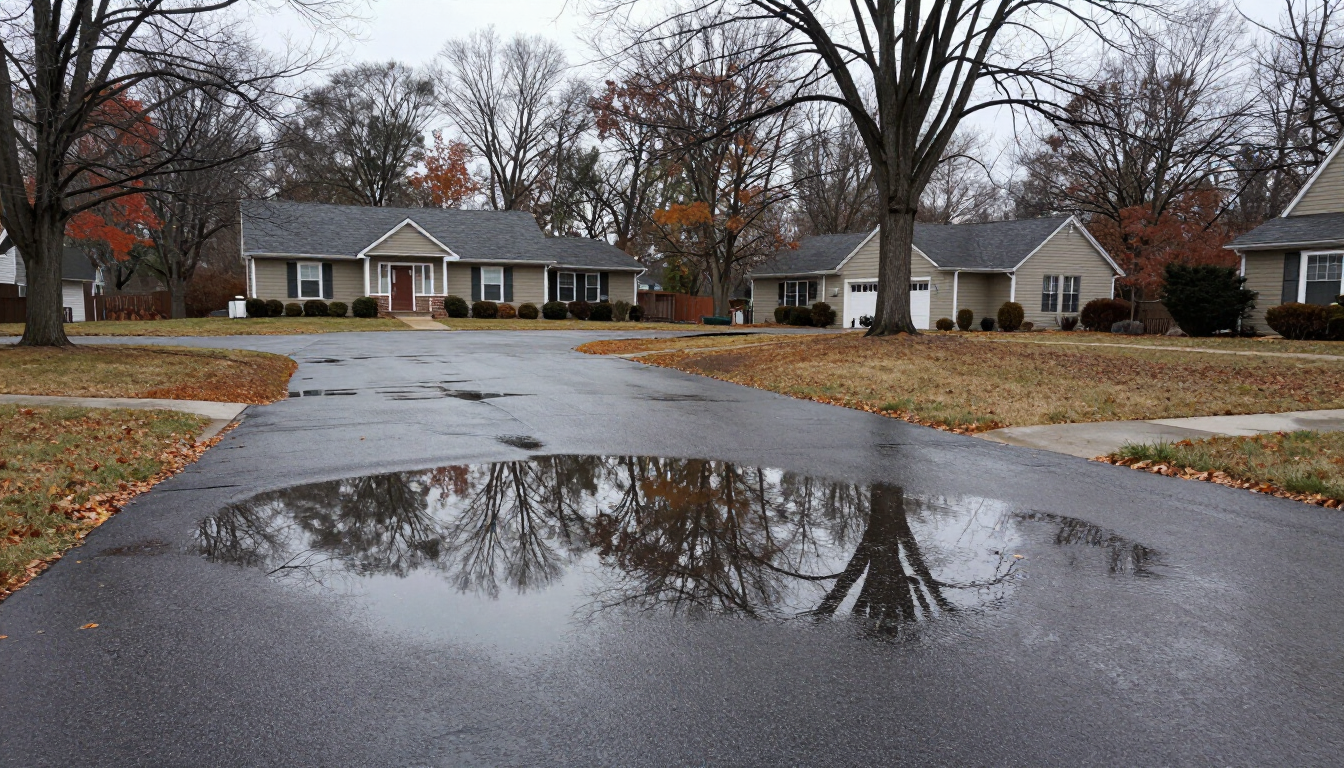
- Water pooling in several spots after rain
- Potholes returning even after repairs
- Uneven surfaces that affect driving or walking
These signs usually point to base failure. Once the foundation is compromised, surface-level fixes are only temporary.
Replacing the driveway involves removing the damaged layers, rebuilding the base, and installing a new surface. This ensures the structure is stable and built to handle long-term use.
How Drainage Affects the Lifespan of a Driveway
Drainage plays a major role in how long a driveway lasts. Without proper slope and runoff, water collects on the surface and gradually weakens it.
When water sits on or under the driveway, it creates ongoing pressure. It seeps into cracks, softens the base, and accelerates wear. Over time, this leads to uneven areas, repeated damage, and faster deterioration.
Common signs of poor drainage include:
- Standing water after rainfall
- Soft or weakened spots under pressure
- Cracks forming in areas where water collects
- Faster wear in certain sections of the driveway
Proper installation includes grading the surface so water flows away naturally. If drainage is not addressed, even a newly resurfaced or replaced driveway can develop problems again.
Repair vs Resurface vs Replace: Understanding the Differences
Choosing the right option comes down to the condition of both the surface and the base underneath.
Here is a simple comparison:
| Condition | Best Option | Cost Level | Outcome |
|---|---|---|---|
| Minor, localized damage | Repair | Lower | Fixes small areas and prevents spreading |
| Worn surface with solid base | Resurfacing | Moderate | Improves appearance and extends life |
| Structural damage or base failure | Replacement | Higher | Long-term solution with new foundation |
The key is not to choose based on cost alone. Applying the wrong solution often leads to repeat work and higher overall expenses.
Why a Professional Site Inspection Matters
It is difficult to fully assess a driveway without a closer look. Surface damage can hide deeper structural problems that are not immediately visible.
A professional inspection helps identify:
- Whether the base is still stable
- If cracks are surface-level or structural
- Drainage issues affecting performance
- Areas that may continue to deteriorate
This ensures the right solution is recommended from the start. Without proper assessment, it is easy to invest in repairs or resurfacing that do not last.

Get the Right Driveway Solution in Farmingville
Every driveway wears differently depending on how it was installed, how it is used, and how well it drains. What works for one property may not work for another.
If your driveway is starting to show signs of wear, the best approach is to address it early and choose the right level of work. Small repairs can extend its life, while resurfacing or replacement may be necessary for more advanced damage.
Stonerock Paving & Masonry provides clear, honest recommendations based on your driveway’s condition. Whether you need a simple repair or a complete rebuild, the focus is on long-term results that hold up over time.
If you are unsure what your driveway needs, contact the team today for a free estimate and get expert guidance tailored to your Farmingville property.
FAQs
Can all cracked driveways be resurfaced?
No, not all cracked driveways are suitable for resurfacing. This option works best when cracks are shallow and the base remains stable. If cracks are deep or caused by structural failure, resurfacing will not last. In those cases, repairs or full replacement are more effective solutions.
How do I know if my driveway base has failed?
Signs of base failure include sinking areas, uneven sections, recurring potholes, and water pooling. If the surface shifts under weight or damage keeps returning after repairs, the foundation may be compromised. A professional inspection is the best way to confirm whether replacement is needed.
Is resurfacing cheaper than replacing a driveway?
Yes, resurfacing is usually more affordable because it keeps the existing base. However, it is only cost-effective if the foundation is still in good condition. If structural issues are present, replacement may save money long-term by preventing repeated repairs.
How long does driveway resurfacing last?
Resurfacing can last several years depending on usage, weather, and maintenance. Regular sealing, cleaning, and addressing minor damage early can help extend its lifespan. Heavy traffic or poor drainage may reduce how long the surface holds up.
What causes potholes to come back after repair?
Potholes often return when the underlying issue is not addressed. This may include poor drainage, a weakened base, or incomplete repair work. Fixing only the surface without stabilizing the foundation allows the same damage to reappear over time.
Our Recent Articles